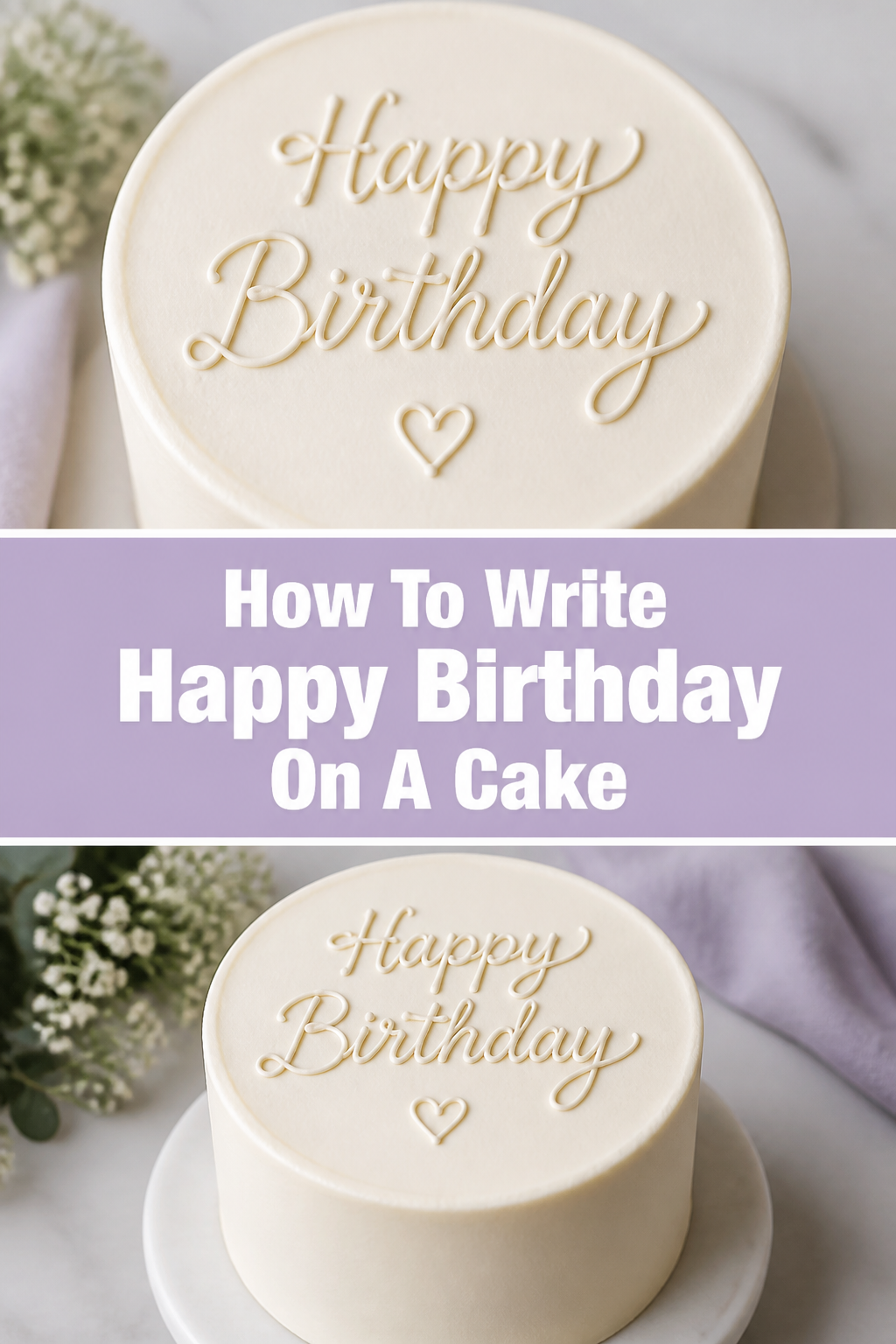
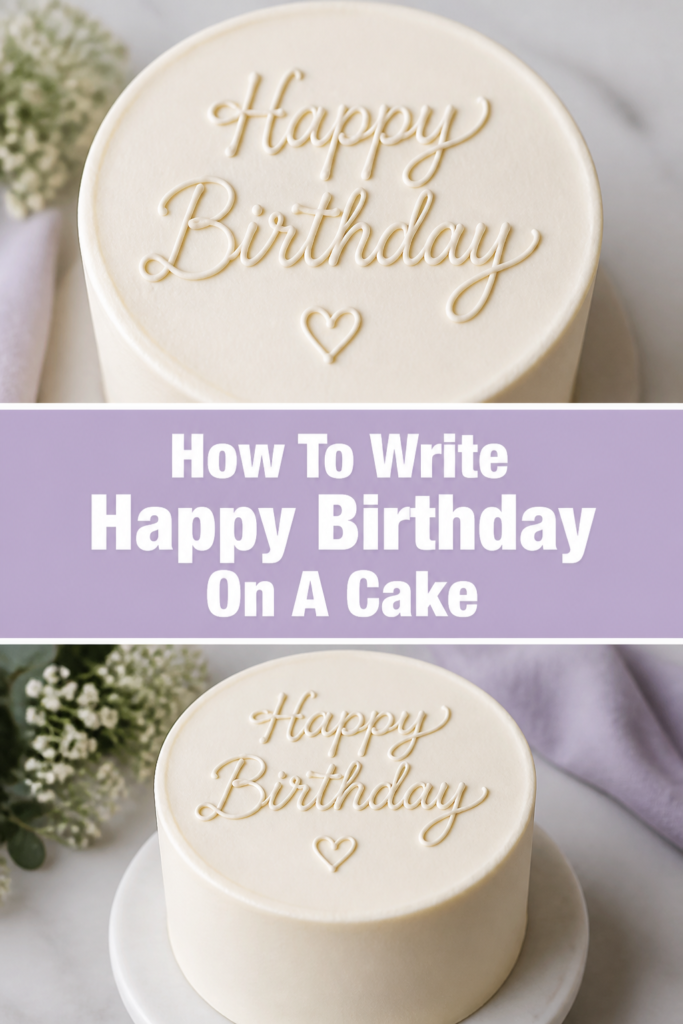
🎂 How To Write Happy Birthday On A Cake
There’s a special joy in presenting a homemade cake, especially when you’ve penned the perfect message on top. It transforms a simple dessert into a heartfelt gesture. I’ve spent countless hours in the kitchen, perfecting this very skill, and have learned what truly makes a difference. This guide shares all my best tips and tricks, ensuring your next celebratory cake is a masterpiece.
Quick Overview
This guide will walk you through everything needed to confidently write “Happy Birthday” or any message on a cake. You’ll learn about tools, techniques, and common pitfalls, leaving you ready to decorate like a pro.
- Time needed: 30-60 minutes (including practice)
- Difficulty: Beginner
- What you’ll need: A baked and frosted cake, piping bags, small round piping tips, frosting suitable for writing, parchment paper, a turntable (optional).
Step-by-Step Instructions
Step 1: Gather Your Tools and Ingredients
Start by collecting everything you’ll need before you begin. Having your supplies ready helps the process flow smoothly and prevents last-minute scrambling. This includes your cake, cooled and frosted, piping bags, tips, and your chosen frosting.
You will need a stable cake, ideally chilled, with a smooth, firm surface. Ensure your writing frosting is a good consistency and your piping bags are clean and ready.
Step 2: Prepare Your Writing Frosting
The consistency of your frosting is perhaps the most critical factor for successful writing. It needs to be firm enough to hold its shape but soft enough to flow smoothly through the piping tip. Too stiff, and it will break; too soft, and it will spread and lose definition.
Aim for a consistency similar to toothpaste. If it’s too thick, add a tiny bit of milk or cream, a quarter teaspoon at a time, mixing well. If it’s too thin, add a tablespoon of powdered sugar until it reaches the right texture.
Pro Tip: Use a crusting buttercream for the best results. American buttercream or Swiss meringue buttercream both work wonderfully. Avoid whipped cream or cream cheese frostings unless they are very firm and stabilized.
Step 3: Choose Your Message and Font
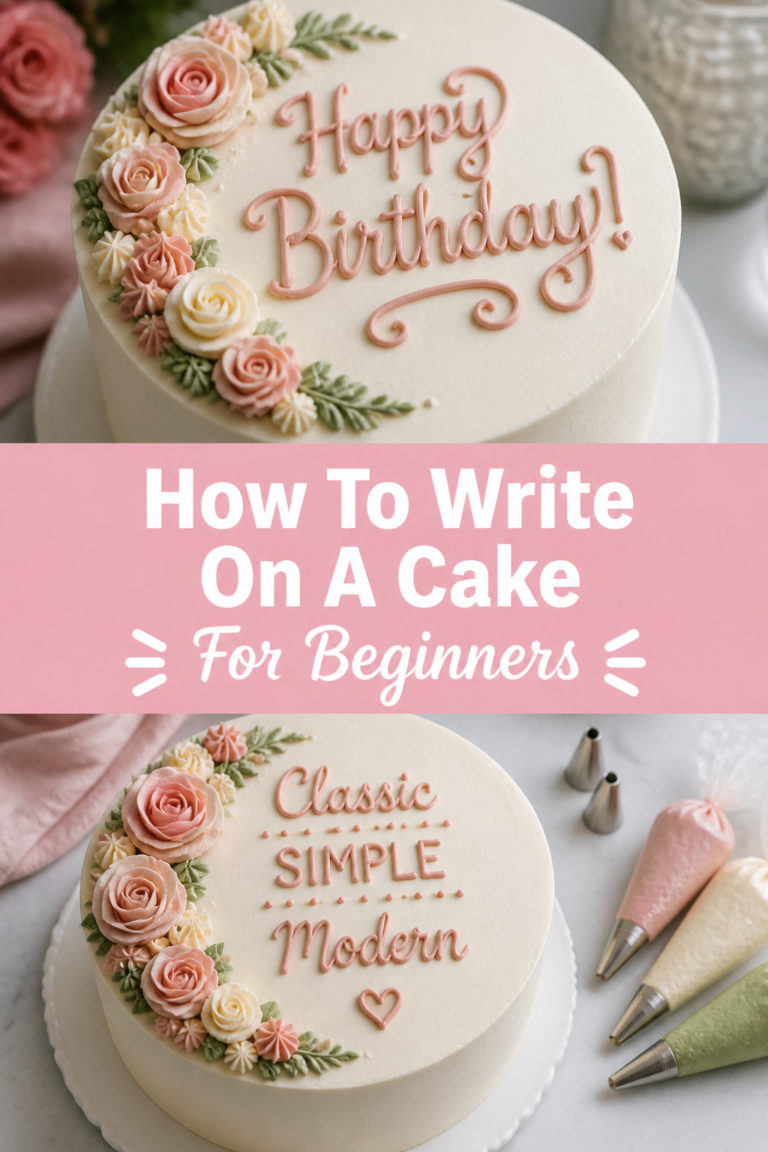
Before you even touch a piping bag, decide exactly what you want to write and where. Consider the size of your cake and the length of your message. “Happy Birthday” is a classic, but you might add a name or a number.
Think about the style you want: simple block letters, elegant script, or something more playful. You can even sketch it out on paper first to visualize the layout. This planning stage is crucial for good spacing.
Step 4: Practice Your Writing Technique
Do not skip this step! Practicing on parchment paper or a plate before touching the cake builds confidence and muscle memory. It allows you to get a feel for the frosting consistency and piping pressure.
Lay out a piece of parchment paper and practice writing your entire message multiple times. Focus on consistent pressure, even spacing, and smooth lines. You can scrape the frosting back into your bowl and reuse it for practice.
Step 5: Load Your Piping Bag
Properly loading your piping bag prevents air bubbles and mess. First, fit your piping tip into the bag, pushing it firmly down to the narrow end. You might need to snip off a small portion of the bag’s tip to let the piping tip through.
Fold the top edges of the bag over your hand, creating a cuff. Use a spatula to scoop frosting into the bag, filling it about two-thirds full. Twist the top of the bag securely to push the frosting down and eliminate air pockets.
Step 6: Position Yourself and the Cake
Comfort and stability are key to steady hands. Sit down at a table where you can rest your elbows, or stand tall with good posture. Position the cake directly in front of you.
If you have a cake turntable, place the cake on it. This allows you to rotate the cake as you write, keeping your hand in a comfortable, consistent position. Without a turntable, you’ll need to carefully move the cake or your body.
Step 7: Start Writing on the Cake
Hold the piping bag firmly with your dominant hand, near the twisted top, applying gentle, consistent pressure. Use your non-dominant hand to guide the tip if needed, providing stability. Hold the tip slightly above the cake surface, not touching it.
Begin writing your message. Apply pressure, let the frosting fall onto the cake, then release pressure as you lift the bag. Focus on one letter or word at a time, taking short breaks if your hand gets tired. Maintain even pressure for uniform lines.
Pro Tip: For longer words, consider writing them in segments. For example, write “Happy” then pause, reposition, and write “Birthday.” This helps maintain consistency and prevents fatigue.
Step 8: Refine and Decorate
Once your message is complete, take a step back and assess your work. You can carefully use a toothpick to gently nudge a misplaced dot or a small smudge. A clean, damp paper towel can also help clean up tiny mistakes around the letters.
Consider adding small decorative touches around your message. Dots, stars, or a simple border can frame your writing beautifully. These small additions can elevate the overall look of your cake.
Common Mistakes to Avoid
Incorrect Frosting Consistency
A common error is using frosting that is either too thick or too thin. Frosting that is too stiff will break and crumble as you try to pipe, creating jagged, uneven letters. If it’s too runny, your letters will spread out, lose their shape, and look messy. Always check and adjust consistency before you start.
Rushing the Process
Trying to write quickly or without a plan often leads to poor results. Rushing can cause uneven pressure, crooked lines, and poor spacing. Take your time, plan your message, and practice beforehand to ensure a steady hand and a beautiful finish.
Incorrect Piping Bag Grip
Holding the piping bag incorrectly can lead to hand fatigue and inconsistent frosting flow. Gripping it too loosely can cause frosting to squeeze out the top, while holding it too tightly can make it difficult to control the pressure. Hold the bag firmly near the twisted top, using consistent, gentle pressure.
Forgetting to Practice
Skipping the practice step is a recipe for disappointment. Even experienced decorators warm up on parchment paper. Practice allows you to get a feel for the tip, the frosting, and your own hand movements, preventing costly mistakes directly on the cake.
Troubleshooting
Letters are Wobbly or Uneven
This often happens due to an unsteady hand or inconsistent pressure. To fix this, try resting your elbows on the table or using your non-dominant hand to stabilize the piping bag. Practice making straight lines and consistent curves on parchment paper until you feel more confident.
Frosting Breaks or Gaps in Letters
If your frosting is breaking, it’s likely too stiff. Add a tiny amount of milk or cream, a quarter teaspoon at a time, and mix thoroughly until it’s smoother. Gaps can also occur if you lift the bag too much or apply inconsistent pressure; try to maintain a continuous flow.
Running Out of Space on the Cake
This is a planning issue. Always sketch your message on paper first, considering the size of your cake. If you find yourself running out of room, you can try making the remaining letters slightly smaller or stacking words on different lines. For future cakes, always measure and plan.
Smudges on the Cake
Smudges can happen if your hand or tools accidentally brush against the cake. Keep a clean, damp paper towel nearby to quickly wipe away any fresh smudges. If the frosting has crusted, you might need to gently scrape it off with a clean knife and re-frost that small area before rewriting.
Key Takeaways
- Always prepare your frosting to the perfect “toothpaste” consistency.
- Practice your message on parchment paper before piping on the cake.
- Hold the piping bag firmly and apply consistent, gentle pressure.
- Plan your message and spacing carefully to avoid running out of room.
- Don’t be afraid to take your time and correct small mistakes.
- A chilled, firm cake surface provides the best foundation for writing.
Frequently Asked Questions
What’s the best frosting for writing?
Crusting buttercreams, like American buttercream or a firm Swiss meringue buttercream, are ideal. They hold their shape well and develop a slight crust, making them less prone to smudging. Avoid very soft or airy frostings.
Can I use a stencil?
Yes, stencils are a fantastic option if you’re nervous about freehand writing. You can gently press a stencil onto the cake, then pipe frosting over the cut-out areas. Carefully lift the stencil to reveal your perfectly formed letters.
How far in advance can I write on the cake?
You can write on a cake a day or two in advance, especially if using a crusting buttercream. Once the frosting has set, the letters will be quite stable. Store the cake in an airtight container in the refrigerator.
What if my handwriting isn’t good?
Don’t worry! Cake writing is a skill separate from regular handwriting. Focus on simple, clear block letters if script feels too challenging. Practice on parchment paper will significantly improve your results, regardless of your natural handwriting.
Our Top Recommended Finds
- Disposable Piping Bag Set: These make cleanup a breeze and ensure you always have a fresh, clean bag ready.
- Wilton Round Piping Tip Set (sizes #3, #4, #5): These small, round tips are perfect for fine lettering and details. A set gives you options for different line thicknesses.
- Cake Turntable: While optional, a turntable makes decorating much easier, allowing you to rotate the cake smoothly as you write.
Your Cake, Your Celebration
Writing “Happy Birthday” on a cake isn’t just about applying frosting; it’s about adding a personal touch that makes a celebration truly special. With these steps, you’re ready to create beautiful, heartfelt messages that will delight your loved ones. Don’t be afraid to experiment and find your own style. Grab your piping bag today and start spreading joy, one perfectly piped letter at a time!