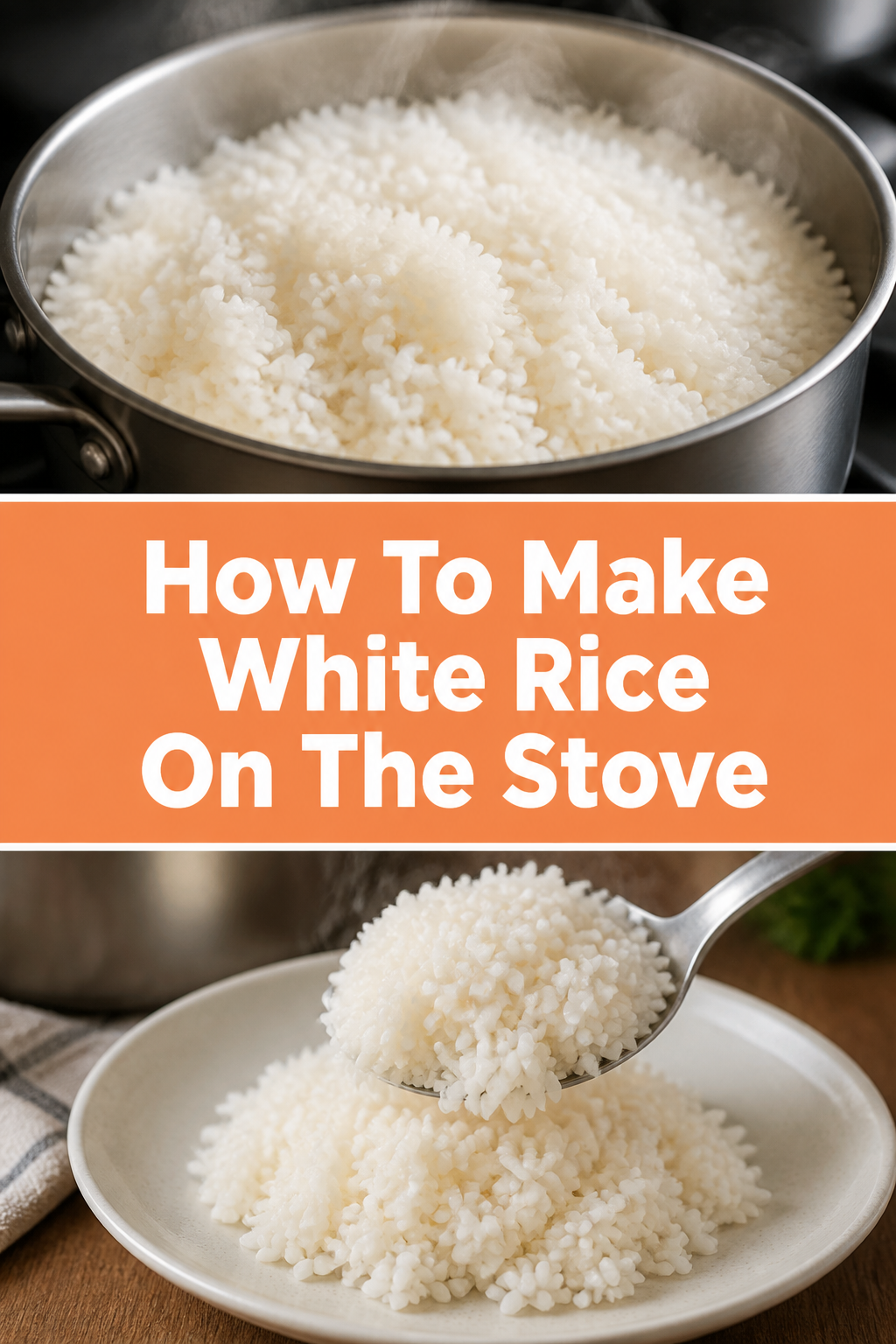
🍚 How To Make White Rice On The Stove
Cooking the perfect pot of rice is a fundamental skill that every home cook should master.
I spent years struggling with mushy or burnt grains until I finally learned the science behind the steam.
This guide shares the exact method I use in my professional kitchen to ensure fluffy, separate grains every single time.
Quick Overview
This method focuses on the absorption technique, which is the most reliable way to cook white rice without a dedicated machine.
- Time needed: 25-30 minutes
- Difficulty: Beginner
- What you’ll need: Long-grain white rice, water, fine-mesh strainer, heavy-bottomed pot with a tight lid, and a fork.
Step-by-Step Instructions
Step 1: Measure Your Ingredients Accurately
Start by selecting your rice and measuring it with a standard dry measuring cup.
For most long-grain white rice varieties, the ideal ratio is 1 cup of rice to 1.5 cups of water.
While many packages suggest a 1:2 ratio, this often leads to rice that is slightly too soft or gummy.
Using 1.5 cups of water provides enough liquid for the rice to hydrate without drowning the grains.
If you prefer your rice with a bit more “bite” or chew, you can even drop the water to 1.25 cups.
Consistency is key, so use the same cup for both the rice and the water to maintain the proportions.
Pro Tip: If you are cooking more than two cups of rice, use a wider pot to ensure the heat distributes evenly through the layers.
Step 2: Rinse the Rice Thoroughly
Place the measured rice into a fine-mesh strainer and hold it under cold running water.
Use your fingers to swirl the grains around while the water flows through them.
You will notice the water running underneath looks milky or cloudy at first.
This cloudiness is excess surface starch that can cause the rice to stick together and become gluey during cooking.
Continue rinsing for about 60 seconds or until the water runs mostly clear.
Shake the strainer well to remove as much excess moisture as possible before moving to the pot.
This step is non-negotiable if you want restaurant-quality grains that stay separate on your plate.
Step 3: Combine and Season in the Pot
Transfer the rinsed rice into your saucepan and add the measured amount of fresh, cold water.
Add a generous pinch of kosher salt at this stage to season the rice from the inside out.
Unsalted rice often tastes flat, even when served with flavorful sauces or stews.
You can also add a teaspoon of butter or olive oil if you want a richer flavor and extra grain separation.
The fat coats the individual grains, further preventing them from clumping together as they expand.
Give the mixture one brief stir to distribute the salt and fat throughout the water.
Pro Tip: To add a layer of complexity, toast the dry rice in the butter for two minutes before adding the water.
Step 4: Bring to a Controlled Boil
Set the pot on the stove over medium-high heat without the lid on.
Watch the pot closely as the water begins to heat up and small bubbles appear around the edges.
Once the water reaches a full, rolling boil, you are ready for the next phase.
Do not let the water boil vigorously for too long, as this will evaporate the liquid you measured so carefully.
The goal is to reach the boiling point quickly and then immediately move to the simmering phase.
Step 5: Simmer on Low Heat
Turn the heat down to the lowest possible setting on your burner.
Place a tight-fitting lid on the pot immediately to trap the steam inside.
If your lid is loose, you can place a clean kitchen towel between the pot and the lid to create a better seal.
Set a timer for 15 to 17 minutes depending on the specific brand of rice you are using.
It is vital that you do not lift the lid during this time to check on the progress.
Lifting the lid releases the pressure and steam required to cook the rice evenly to the center.
Pro Tip: If your stove runs very hot even on the lowest setting, use a heat diffuser to prevent the bottom from scorching.
Step 6: The Essential Resting Period
Remove the pot from the heat source once the timer goes off.
Do not open the lid yet, as the rice is not actually finished cooking.
Let the pot sit undisturbed for at least 10 minutes, though 15 minutes is even better.
During this resting phase, the moisture inside the pot redistributes itself throughout the grains.
This ensures that the top layer of rice is just as moist and tender as the bottom layer.
Skipping this step often results in rice that is wet on the outside but hard in the middle.
Patience during the rest is the secret difference between amateur and professional rice.
Step 7: Fluff and Serve
Lift the lid and use a fork to gently fluff the rice grains.
Avoid using a spoon or a heavy spatula, as these tools can mash the delicate grains.
Insert the fork and lift the rice from the bottom, letting the grains fall naturally back into the pot.
This allows any remaining steam to escape and gives the rice a light, airy texture.
Your rice is now ready to be served immediately as a side dish or a base for your favorite meal.
Common Mistakes to Avoid
Peeking Under the Lid
The most common mistake people make is lifting the lid to see if the water has been absorbed.
Every time you lift the lid, the temperature inside the pot drops significantly and the steam escapes.
This interrupts the cooking process and usually leads to unevenly cooked or crunchy rice.
Trust the timer and the ratio rather than your eyes during the simmering stage.
Stirring the Rice While it Cooks
Stirring rice while it is simmering is a recipe for disaster unless you are making risotto.
Agitating the rice breaks the grains and releases more starch into the liquid.
This creates a thick, gummy paste that binds the rice together into a solid mass.
Give it one stir at the very beginning and then leave it completely alone until it is time to fluff.
Using the Wrong Pot Size
Using a pot that is too small can cause the starchy water to bubble over and create a mess on your stove.
Conversely, a pot that is too large allows the water to evaporate too quickly before the rice can absorb it.
Choose a medium-sized saucepan that allows the rice to expand to about three times its original volume.
A heavy-bottomed pot is also essential to prevent the bottom layer of rice from burning before the top is done.
Troubleshooting
The Rice is Still Crunchy or Hard
If your rice is still too firm after the resting period, it likely didn’t have enough water or the heat was too high.
You can fix this by adding 2 tablespoons of boiling water back into the pot.
Put the lid back on and let it steam on very low heat for another 5 minutes.
Check the seal on your lid, as a poor seal is often the culprit for water loss.
The Rice is Mushy or Watery
Mushy rice usually happens because too much water was used or the rice was overcooked.
If there is still visible water in the pot, you can cook it uncovered on low heat for a few minutes to evaporate the excess.
However, if the grains are already falling apart, the best option is to repurpose the rice.
Turn it into fried rice the next day or use it as a thickener for a soup or stew.
Key Takeaways
- Always rinse your white rice to remove surface starch and prevent sticking.
- Use a 1:1.5 ratio of rice to water for the best stovetop results.
- Never lift the lid or stir the rice during the simmering process.
- Allow the rice to rest off the heat for 10 minutes before fluffing.
- Use a fork instead of a spoon to fluff the rice to keep the grains intact.
Frequently Asked Questions
Can I use chicken broth instead of water?
Yes, replacing water with chicken or vegetable broth is an excellent way to add flavor.
Keep the ratios exactly the same as you would with water.
Be mindful of the salt content in the broth, as you may need to reduce the extra salt you add to the pot.
How do I store and reheat leftover rice?
Cool the rice quickly and store it in an airtight container in the refrigerator for up to four days.
To reheat, add a splash of water to the rice and cover it before microwaving or heating on the stove.
The extra moisture helps to re-steam the grains and restore their soft texture.
Do I need to soak white rice before cooking?
For standard long-grain white rice, soaking is not strictly necessary but can result in slightly longer grains.
If you choose to soak it for 30 minutes, you should reduce the cooking water slightly.
For most daily cooking, a thorough rinse is sufficient to achieve great results.
Our Top Recommended Finds
- Heavy-Bottomed Stainless Steel Saucepan: A quality pot ensures even heat distribution and prevents the rice from scorching on the bottom.
- Fine-Mesh Stainless Steel Strainer: This tool is essential for rinsing rice without losing grains down the kitchen sink drain.
- Silicone-Tipped Kitchen Fork: Using a fork for fluffing protects the bottom of your pans while keeping the rice light and airy.
Master the Art of the Side Dish
Now that you have mastered the foundational technique for white rice, you can experiment with different flavors.
Try adding aromatics like garlic, ginger, or a bay leaf to the water before boiling.
You can also explore different varieties like Jasmine or Basmati, which may require slight adjustments to the water ratio.
Take this new skill and use it to elevate your next dinner tonight.