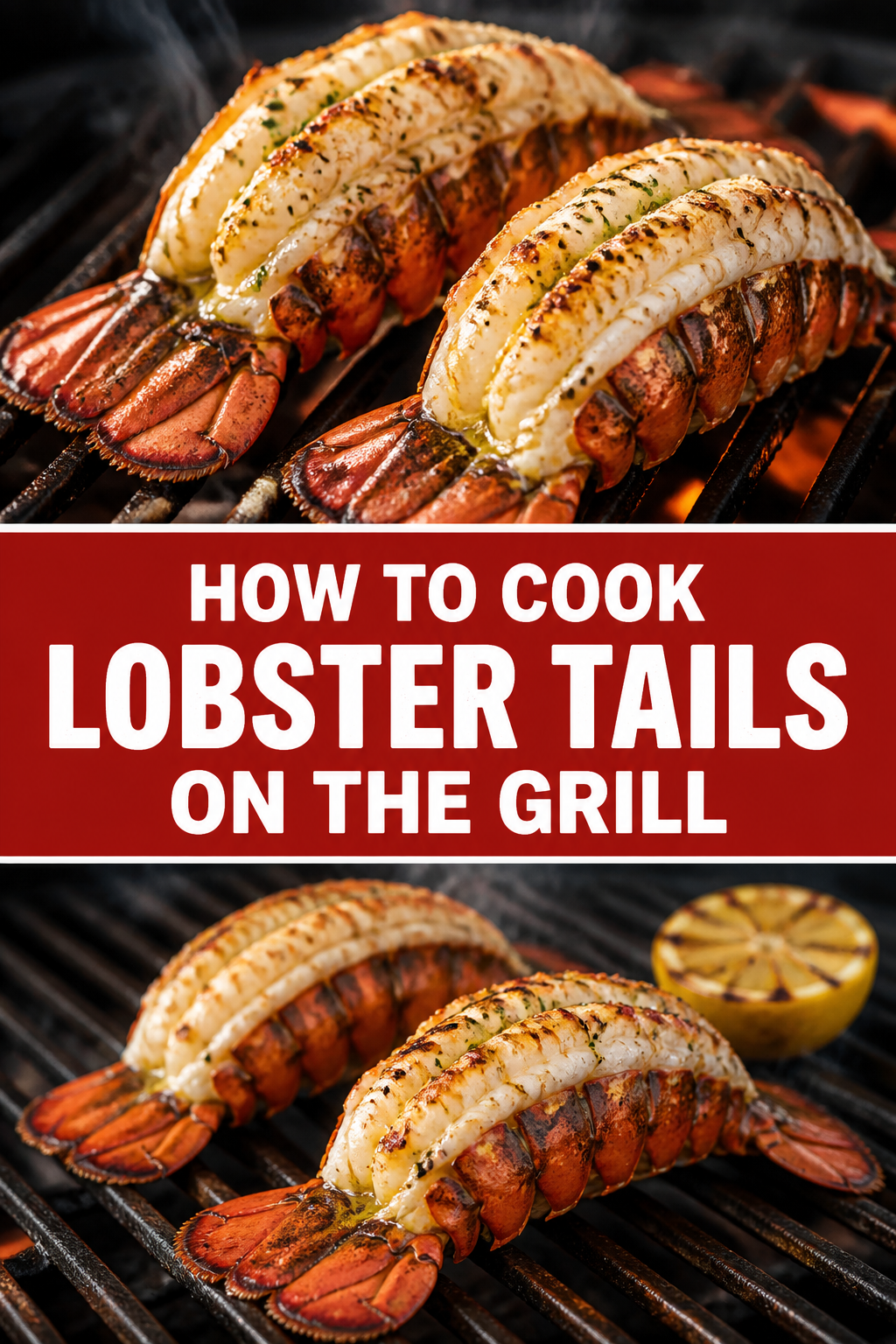
🦞 How To Cook Lobster Tails On The Grill
Grilling lobster tails transforms a luxurious ingredient into an unforgettable experience. The smoky char from the grill adds a depth of flavor that baking or boiling simply can’t match. I’ve spent countless summer evenings perfecting this technique, ensuring each bite is tender, juicy, and infused with that perfect outdoor essence. This guide is built on those hands-on trials, designed to help you achieve restaurant-quality results in your own backyard.
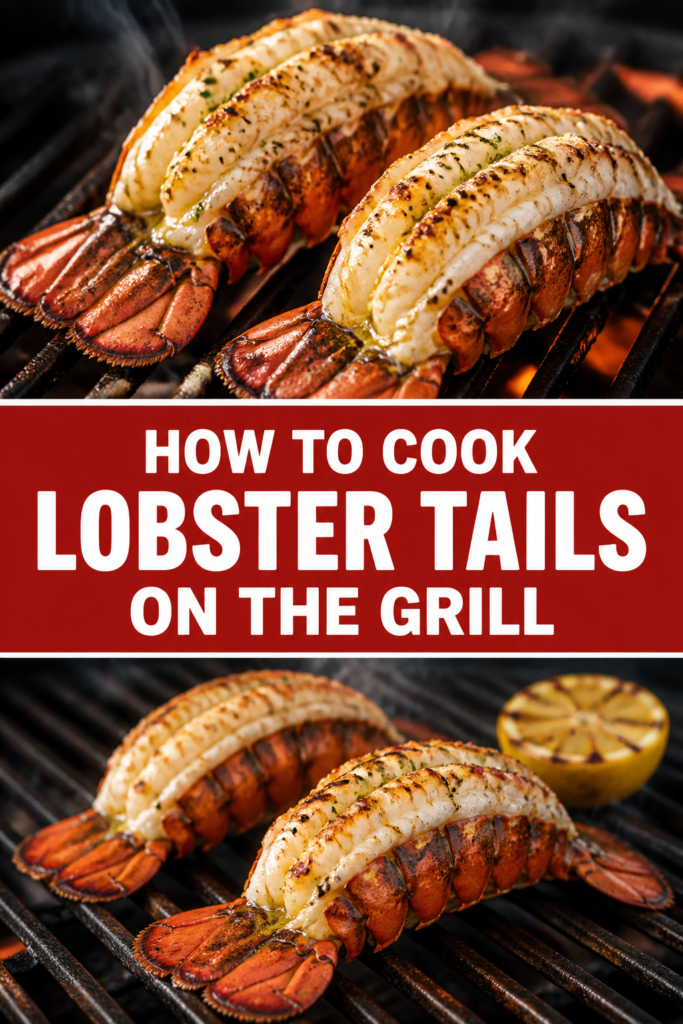
Quick Overview
You’re about to master the art of grilling succulent lobster tails, creating a show-stopping dish with incredible flavor. This method prioritizes tenderness and a beautiful presentation.
- Time needed: 30-45 minutes (prep and cook)
- Difficulty: Intermediate
- What you’ll need: Fresh or frozen lobster tails, butter, lemon, salt, pepper, grill, sharp knife, kitchen shears, basting brush, meat thermometer.
Step-by-Step Instructions
Step 1: Thaw and Prepare Your Lobster Tails
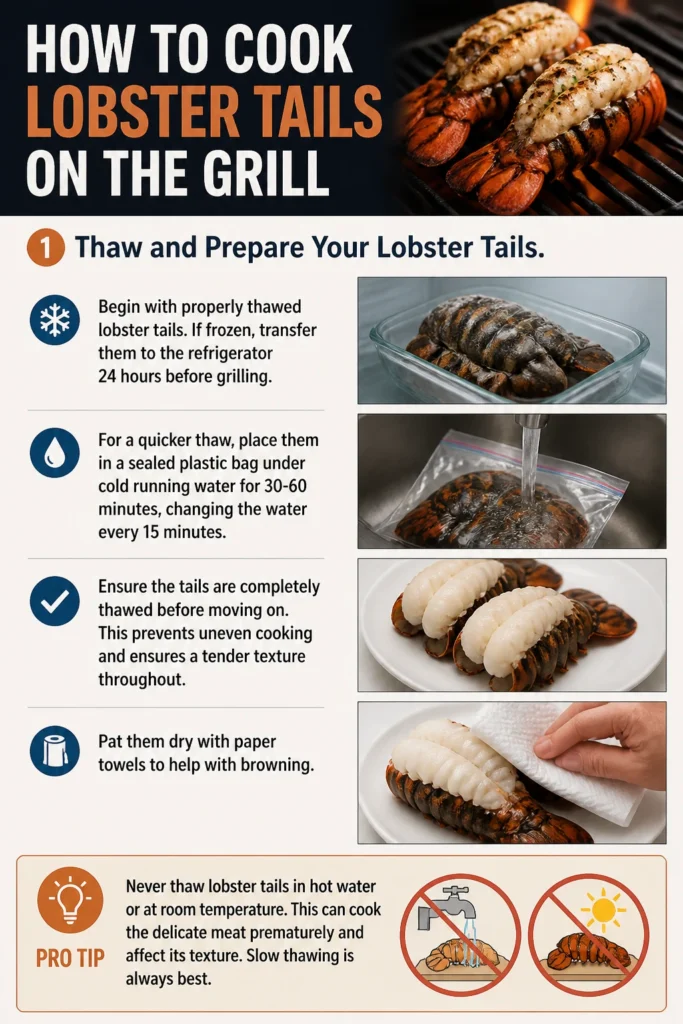
Begin with properly thawed lobster tails. If frozen, transfer them to the refrigerator 24 hours before grilling. For a quicker thaw, place them in a sealed plastic bag under cold running water for 30-60 minutes, changing the water every 15 minutes.
Ensure the tails are completely thawed before moving on. This prevents uneven cooking and ensures a tender texture throughout. Pat them dry with paper towels to help with browning.
Pro Tip: Never thaw lobster tails in hot water or at room temperature. This can cook the delicate meat prematurely and affect its texture. Slow thawing is always best.
Step 2: Butterfly the Lobster Tails
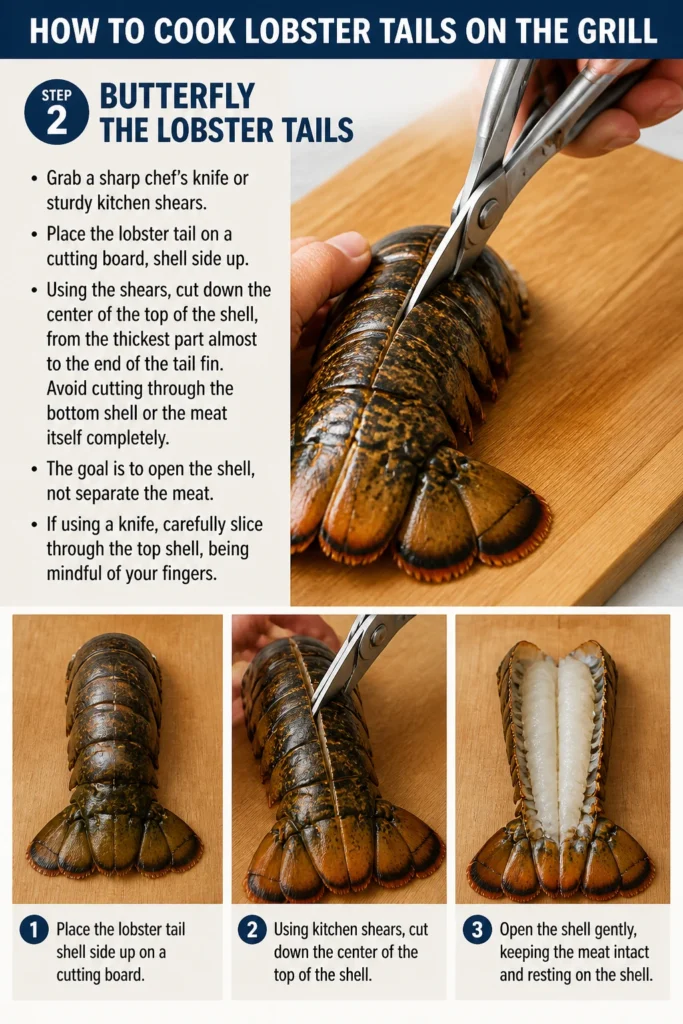
Grab a sharp chef’s knife or sturdy kitchen shears. Place the lobster tail on a cutting board, shell side up. Using the shears, cut down the center of the top of the shell, from the thickest part almost to the end of the tail fin.
Avoid cutting through the bottom shell or the meat itself completely. The goal is to open the shell, not separate the meat. If using a knife, carefully slice through the top shell, being mindful of your fingers.
Step 3: Expose and Prepare the Meat
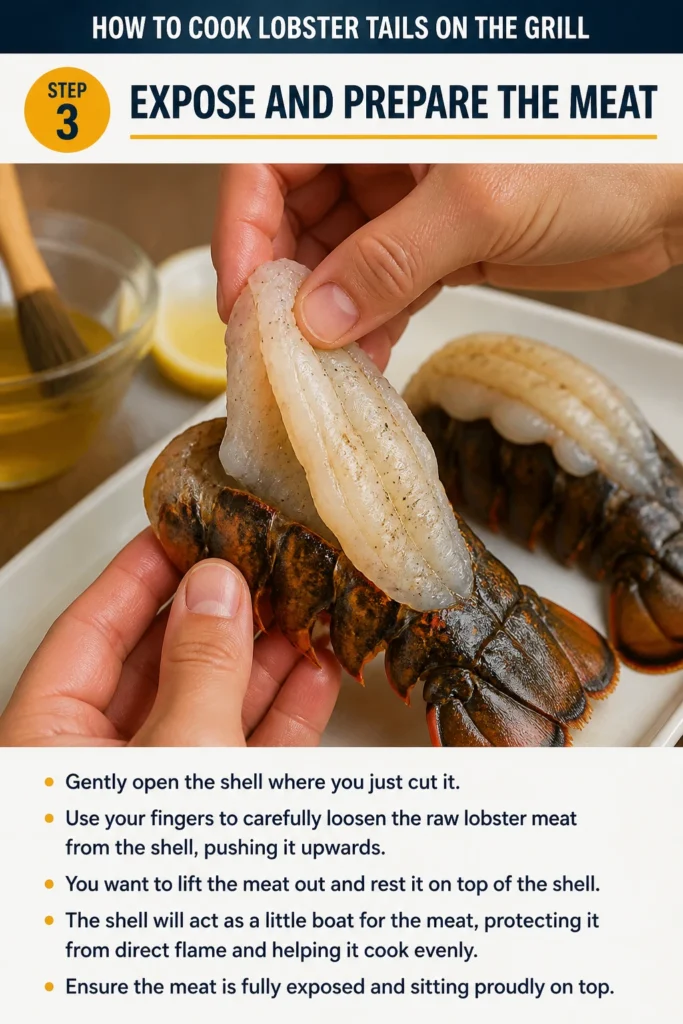
Gently open the shell where you just cut it. Use your fingers to carefully loosen the raw lobster meat from the shell, pushing it upwards. You want to lift the meat out and rest it on top of the shell.
The shell will act as a little boat for the meat, protecting it from direct flame and helping it cook evenly. Ensure the meat is fully exposed and sitting proudly on top.
Step 4: Season and Flavor the Lobster
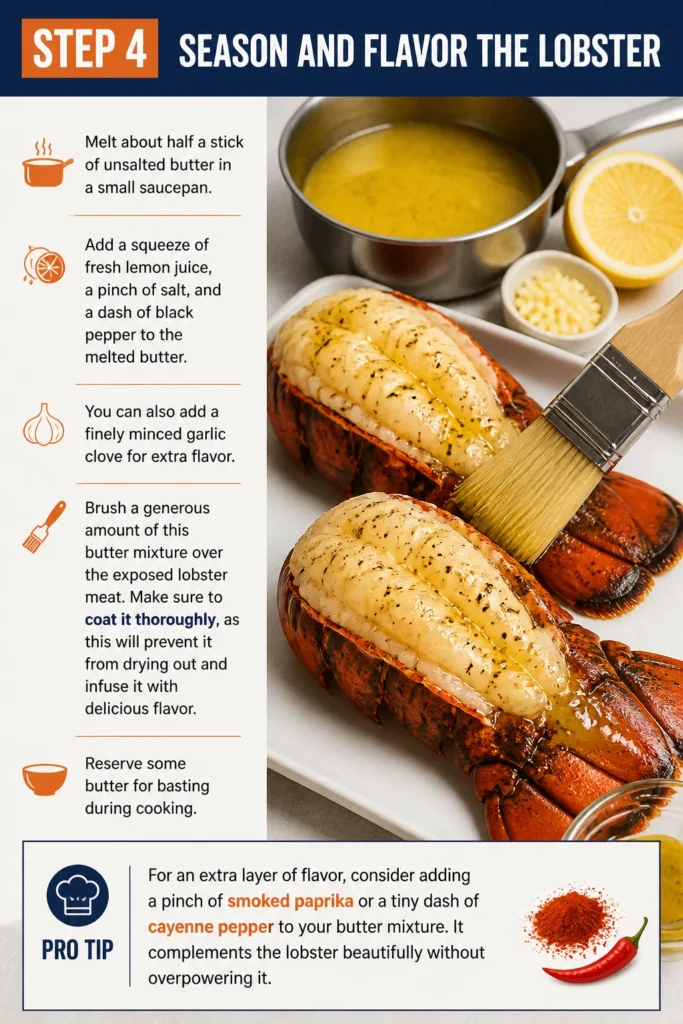
Melt about half a stick of unsalted butter in a small saucepan. Add a squeeze of fresh lemon juice, a pinch of salt, and a dash of black pepper to the melted butter. You can also add a finely minced garlic clove for extra flavor.
Brush a generous amount of this butter mixture over the exposed lobster meat. Make sure to coat it thoroughly, as this will prevent it from drying out and infuse it with delicious flavor. Reserve some butter for basting during cooking.
Pro Tip: For an extra layer of flavor, consider adding a pinch of smoked paprika or a tiny dash of cayenne pepper to your butter mixture. It complements the lobster beautifully without overpowering it.
Step 5: Preheat Your Grill to Medium-High Heat
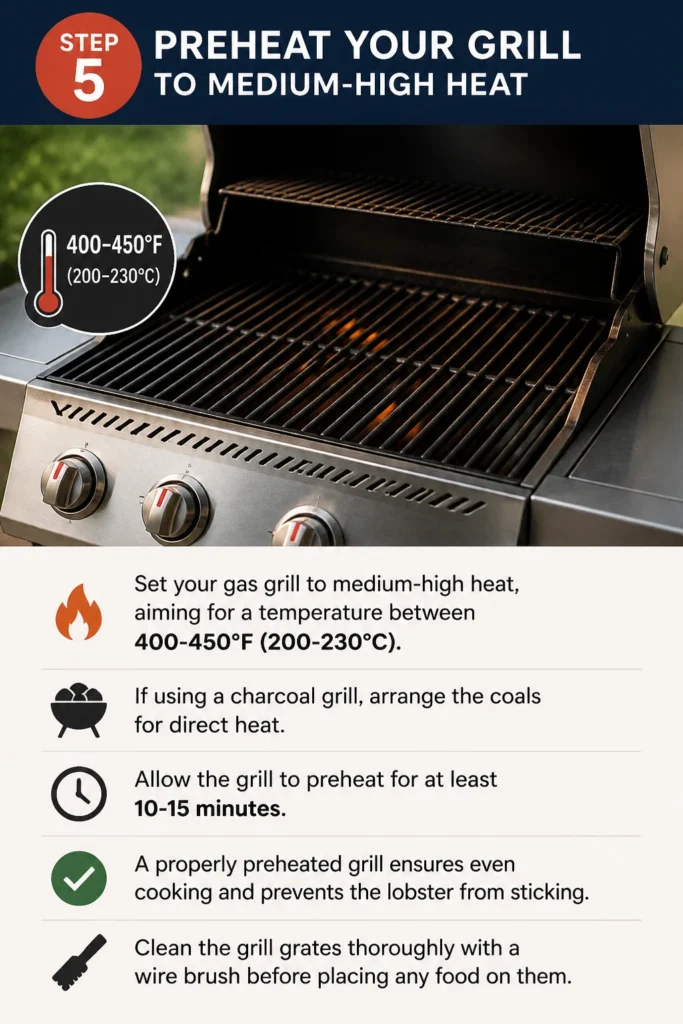
Set your gas grill to medium-high heat, aiming for a temperature between 400-450°F (200-230°C). If using a charcoal grill, arrange the coals for direct heat. Allow the grill to preheat for at least 10-15 minutes.
A properly preheated grill ensures even cooking and prevents the lobster from sticking. Clean the grill grates thoroughly with a wire brush before placing any food on them.
Step 6: Grill the Lobster Tails
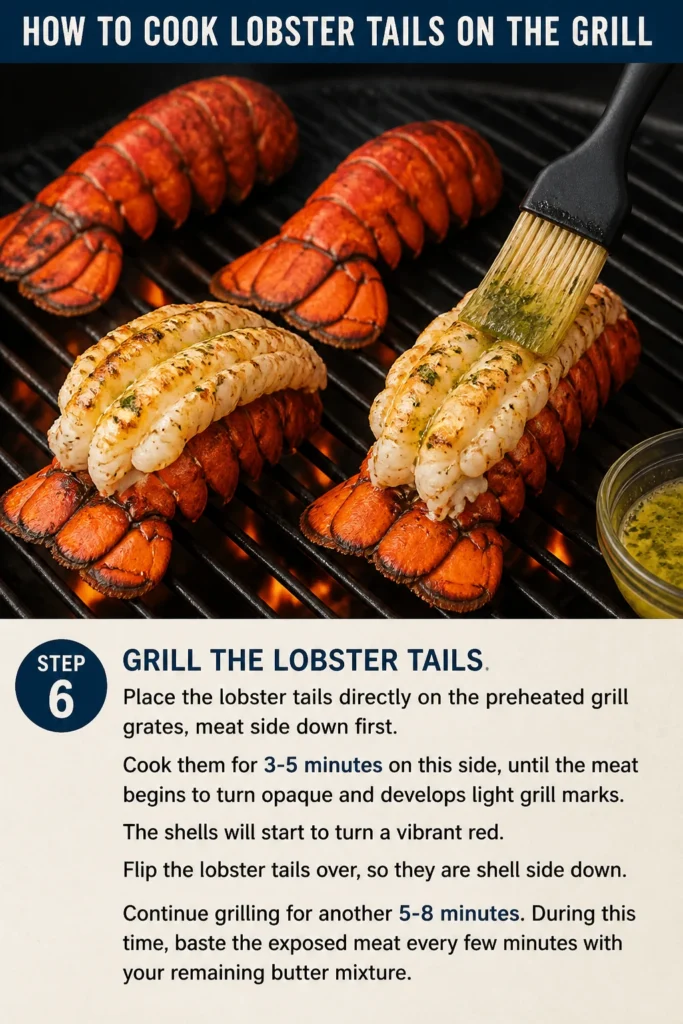
Place the lobster tails directly on the preheated grill grates, meat side down first. Cook them for 3-5 minutes on this side, until the meat begins to turn opaque and develops light grill marks. The shells will start to turn a vibrant red.
Flip the lobster tails over, so they are shell side down. Continue grilling for another 5-8 minutes. During this time, baste the exposed meat every few minutes with your remaining butter mixture.
Step 7: Monitor for Doneness
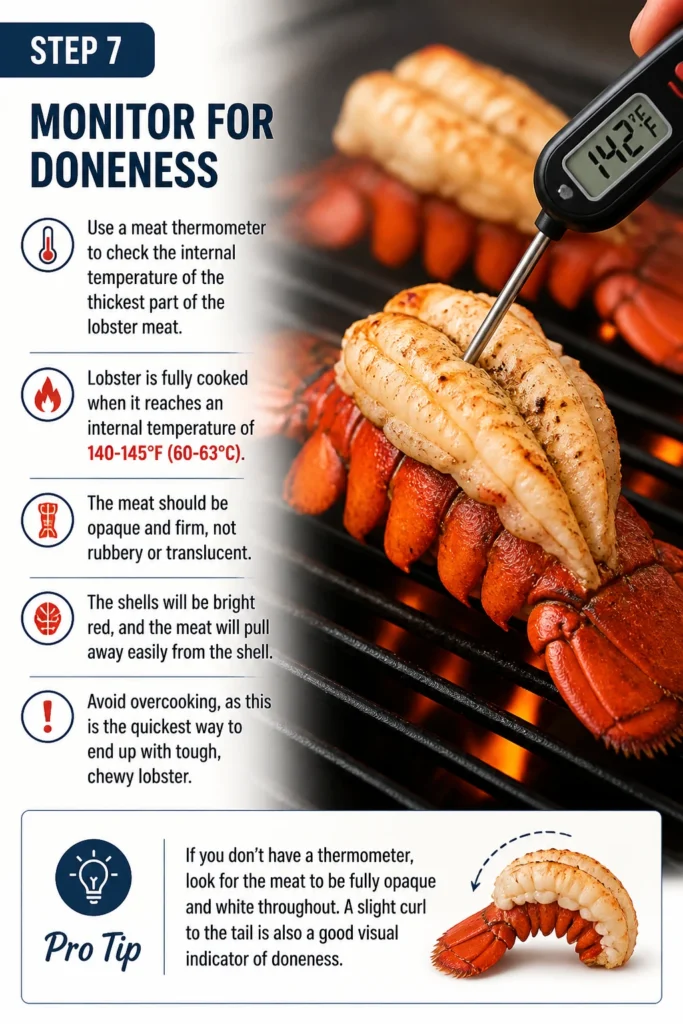
Use a meat thermometer to check the internal temperature of the thickest part of the lobster meat. Lobster is fully cooked when it reaches an internal temperature of 140-145°F (60-63°C). The meat should be opaque and firm, not rubbery or translucent.
The shells will be bright red, and the meat will pull away easily from the shell. Avoid overcooking, as this is the quickest way to end up with tough, chewy lobster.
Pro Tip: If you don’t have a thermometer, look for the meat to be fully opaque and white throughout. A slight curl to the tail is also a good visual indicator of doneness.
Step 8: Rest and Serve
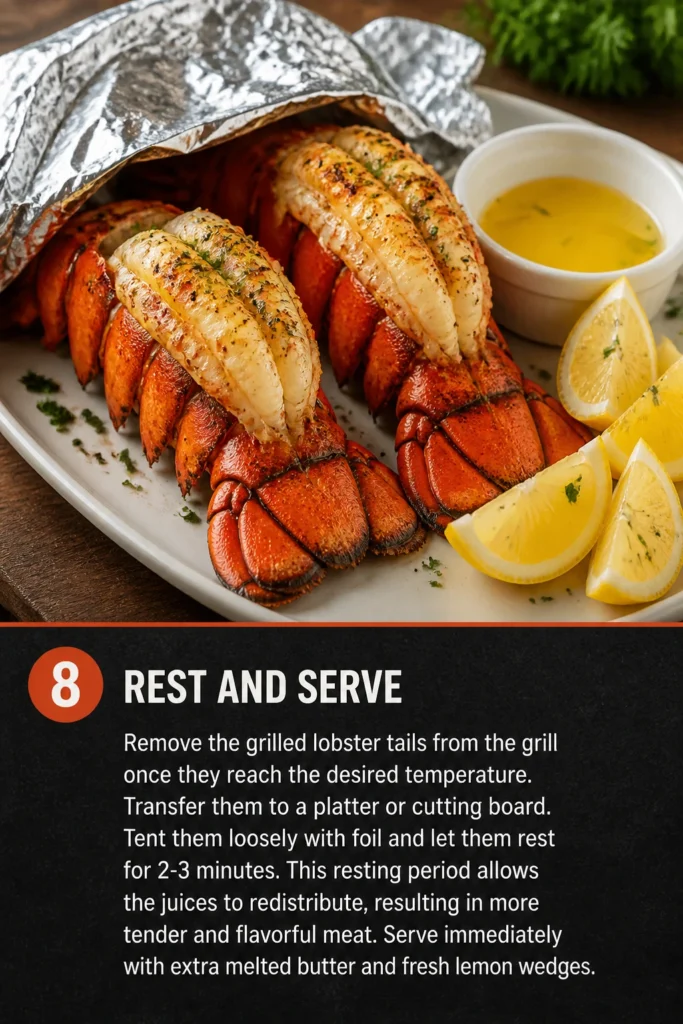
Remove the grilled lobster tails from the grill once they reach the desired temperature. Transfer them to a platter or cutting board. Tent them loosely with foil and let them rest for 2-3 minutes.
This resting period allows the juices to redistribute, resulting in more tender and flavorful meat. Serve immediately with extra melted butter and fresh lemon wedges.
Common Mistakes to Avoid
Overcooking the Lobster
Overcooking is the most frequent culprit behind rubbery, tough lobster meat. Lobster cooks quickly, especially on a hot grill. Always monitor the internal temperature with a thermometer. Pull the tails off the heat as soon as they reach 140-145°F (60-63°C). A few extra minutes can ruin the texture.
Not Thawing Properly
Grilling frozen or partially frozen lobster tails leads to uneven cooking. The outside will overcook and become tough while the inside remains undercooked. Always ensure your lobster tails are completely thawed before they hit the grill for consistent results. Thawing gradually in the refrigerator is the safest and best method.
Ignoring the Butter Basting
Basting with butter is not just for flavor; it’s crucial for moisture. Lobster meat is lean and can dry out quickly under high heat. Regular basting with lemon-garlic butter keeps the meat moist, tender, and infused with delicious aromatics. Don’t skip this step for maximum succulence.
Grilling on a Dirty Grill
Placing delicate lobster tails on dirty grates is a recipe for disaster. Old food particles can stick to the lobster, tearing the meat when you try to flip it. A clean, well-oiled grill grate prevents sticking and ensures those beautiful grill marks. Always clean your grill before cooking.
Troubleshooting
Lobster Meat is Rubbery/Tough
This is almost always a sign of overcooking. Lobster protein coagulates rapidly, becoming firm and rubbery when exposed to heat for too long. For your next attempt, reduce cooking time slightly and rely on a meat thermometer to pull the lobster off the grill exactly at 140-145°F (60-63°C).
Lobster Meat is Sticking to the Grill
Several factors can cause sticking. Ensure your grill grates are thoroughly clean before preheating. Once clean, lightly oil the grates with a high-smoke-point oil (like canola or grapeseed oil) using a paper towel held with tongs. Also, make sure the grill is fully preheated to temperature before adding the lobster.
Unevenly Cooked Lobster
Uneven cooking often stems from inconsistent grill heat or improperly thawed tails. Check your grill’s temperature across different zones; some grills have hot spots. If using charcoal, ensure an even bed of coals. Always ensure tails are fully thawed to room temperature before grilling to promote uniform cooking.
Key Takeaways
- Always ensure lobster tails are fully thawed before grilling to promote even cooking.
- Butterfly the shells carefully to expose the meat, allowing it to sit on top of the shell.
- Baste generously with a lemon-garlic butter mixture to keep the meat moist and flavorful.
- Preheat your grill to medium-high (400-450°F) and clean the grates thoroughly.
- Cook meat-side down first for 3-5 minutes, then shell-side down for 5-8 minutes, basting often.
- Use a meat thermometer to ensure doneness, aiming for an internal temperature of 140-145°F (60-63°C) to prevent overcooking.
Frequently Asked Questions
Can I grill frozen lobster tails directly?
No, it’s highly recommended to thaw lobster tails completely before grilling. Grilling from frozen will result in uneven cooking, with the exterior becoming overcooked and tough while the interior remains cold or undercooked. Always thaw them thoroughly in the refrigerator or under cold running water.
What kind of lobster tails are best for grilling?
Warm-water lobster tails, like those from spiny lobsters (often found from Florida, the Caribbean, or Brazil), are commonly available and grill well. Cold-water tails (from Maine, Canada, or South Africa) are known for their sweeter, more tender meat and are also excellent, though often more expensive. Both types can be grilled successfully using this method.
How do I prevent the lobster from drying out?
The key to preventing dry lobster is careful temperature monitoring and consistent basting. Use a meat thermometer to ensure you don’t overcook it past 145°F (63°C). Regularly brush the exposed meat with your melted butter mixture throughout the grilling process. This adds moisture and flavor.
Can I prepare the lobster tails ahead of time?
You can butterfly and season the lobster tails up to an hour before grilling. Keep them covered and refrigerated until about 15-20 minutes before you plan to grill. Letting them come closer to room temperature slightly will help with more even cooking.
Our Top Recommended Finds
- Instant-Read Meat Thermometer: Essential for perfectly cooked, never-overdone lobster. Accuracy is key.
- Sturdy Kitchen Shears: Makes butterflying the lobster tails much easier and safer than a knife.
- Silicone Basting Brush: For evenly coating your lobster with butter and easy cleanup.
Savoring Your Grilled Masterpiece
You’ve just created a truly magnificent meal, proving that gourmet flavors are well within reach. The smoky aroma and tender, buttery meat are a testament to your newfound grilling prowess. Don’t let this be a one-time affair.
Consider pairing your next grilled lobster with a crisp white wine and some grilled asparagus. Now that you’ve mastered this, why not try grilling other seafood, like shrimp or scallops? Fire up that grill again soon and keep experimenting!