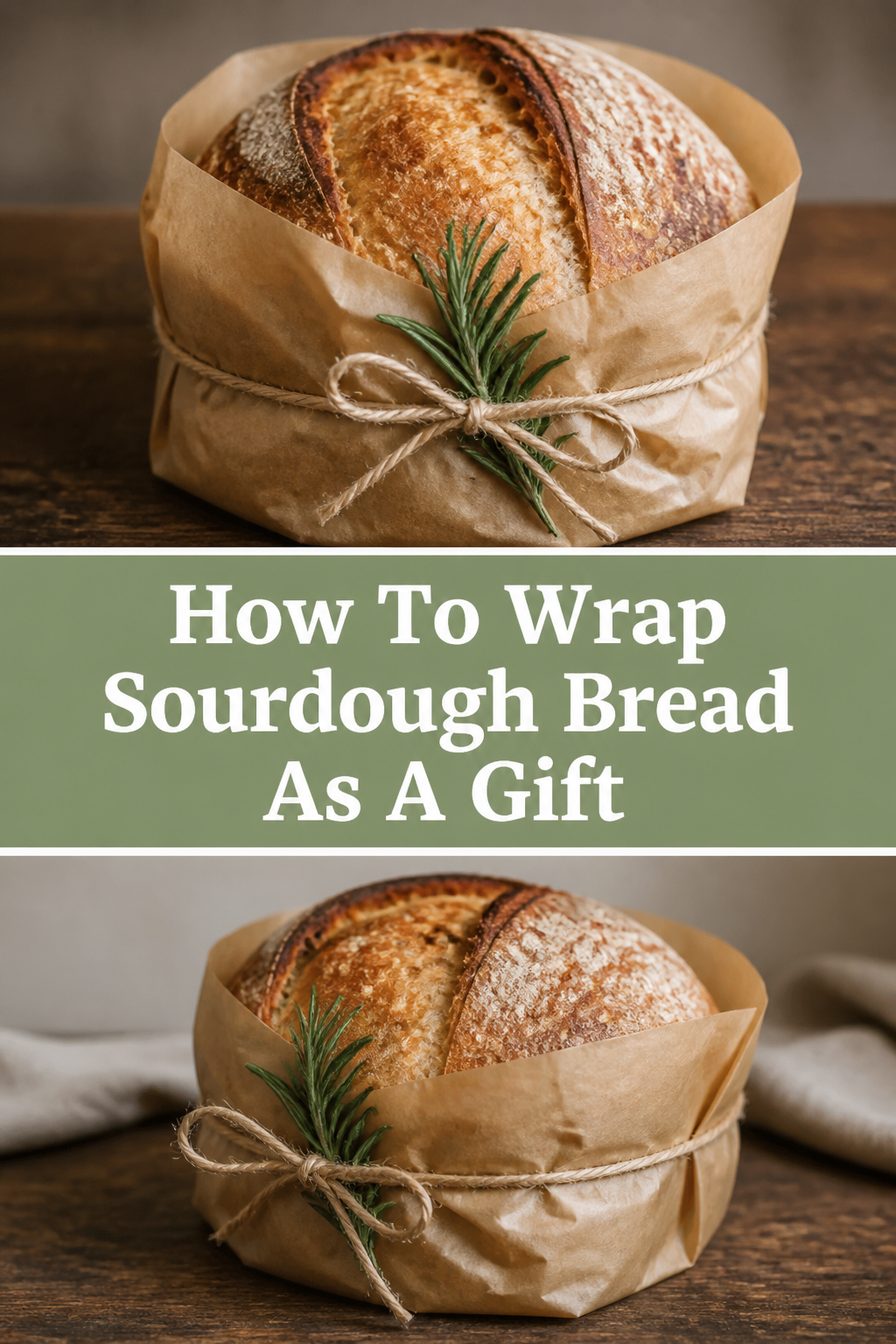
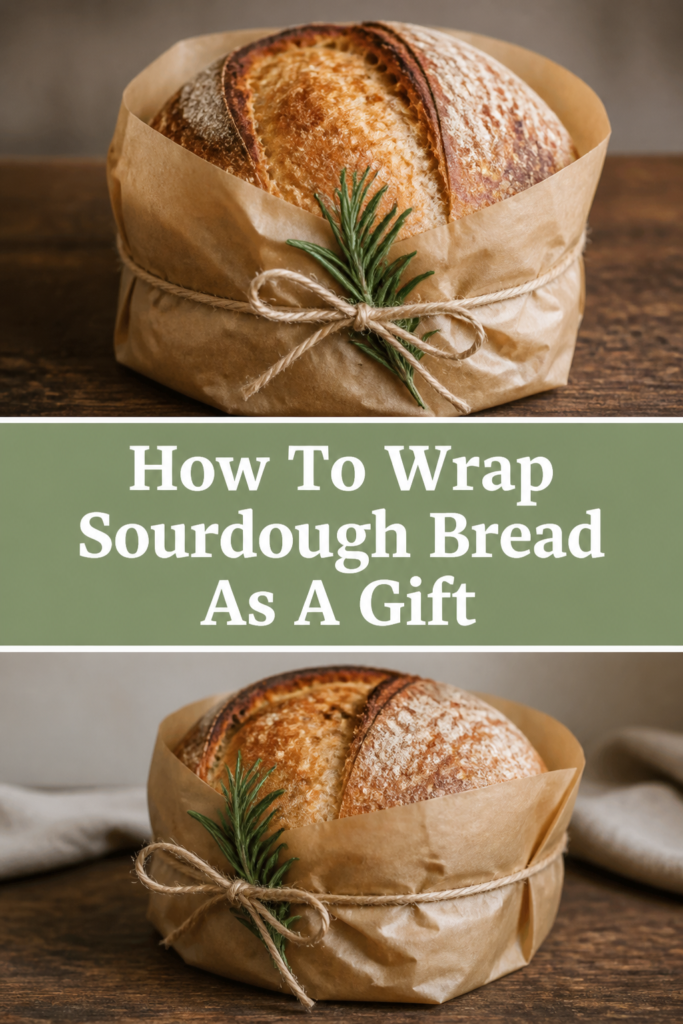
🍞 How To Wrap Sourdough Bread As A Gift
There is nothing quite like the smell of a fresh sourdough loaf cooling on the counter.
I remember the first time I handed a warm, crusty boule to my neighbor and saw her face light up with genuine joy.
After years of gifting my bakes, I have learned that the presentation is just as important as the crumb structure itself.
Quick Overview
This guide will show you how to transform a simple loaf of bread into a stunning, professional-looking gift that keeps the crust crisp and the recipient smiling.
- Time needed: 15 to 20 minutes (plus cooling time)
- Difficulty: Beginner
- What you’ll need: Parchment paper, kraft paper or linen, baker’s twine, botanical sprigs, and a gift tag.
Step-by-Step Instructions
Step 1: Allow the Loaf to Cool Completely
Wait for at least three to four hours after your bread comes out of the oven before you even think about wrapping it.
If you wrap a warm loaf, the residual steam will get trapped inside the packaging and turn your beautiful, crunchy crust into a soft, rubbery mess.
Place the bread on a wire cooling rack to ensure air circulates around the bottom, preventing a soggy base while you prepare your materials.
Pro Tip: Listen for the “song” of the sourdough; the crackling sound means the crust is setting, but the interior is still busy finishing its cook.
Step 2: Choose Your Base Layer
Select a breathable material like unbleached parchment paper or a clean linen tea towel for the primary wrap.
Sourdough is a living thing that needs to breathe, so avoiding plastic wrap is the most important rule of bread gifting.
Parchment paper provides a clean, bakery-style look while acting as a barrier against oils if you have added inclusions like cheese or olives.
Step 3: Measure and Cut Your Paper
Lay your parchment paper out on a flat surface and place your loaf in the center to gauge the size you need.
You want enough paper to wrap around the circumference of the bread with at least four inches of overlap on the top.
Cut the paper cleanly with a sharp pair of scissors to avoid jagged edges, as these can make the final package look messy.
Step 4: Execute the “Baker’s Fold”
Bring the two long sides of the paper together over the top of the loaf and fold them down in small, half-inch increments.
Continue folding until the paper is snug against the top of the bread, creating a flat, pleated seam that runs across the center.
Tuck the open ends underneath the loaf or fold them into neat triangles and tape them securely to the bottom of the package.
Pro Tip: If your loaf has a particularly high “ear” or dramatic scoring, leave the top fold slightly loose so you don’t crush the delicate crust.
Step 5: Add a Layer of Kraft Paper
Wrap a wide strip of brown kraft paper around the middle of the parchment-covered loaf to add a rustic, artisanal contrast.
This “belly band” style of wrapping allows the white parchment to peek out from the sides, creating a layered and thoughtful aesthetic.
Kraft paper is sturdy enough to hold its shape and provides a perfect surface if you want to write a personal message directly on the packaging.
Step 6: Secure with Baker’s Twine
Thread a length of cotton baker’s twine or jute string under the loaf and bring it up to the top center.
Cross the strings and wrap them around the loaf in the opposite direction, creating a classic “cross” pattern that holds everything in place.
Tie a tight knot and a simple bow at the top, leaving the tails long enough to tuck in decorative elements later.
Step 7: Attach a Decorative Botanical
Slide a small sprig of fresh rosemary, a dried eucalyptus leaf, or a cinnamon stick under the twine bow.
These natural elements signal that the gift is handmade and add a subtle, pleasant aroma that complements the scent of the bread.
Choose botanicals that reflect the season, such as a small pine clipping for winter or a sprig of lavender for a springtime gift.
Step 8: Include a Care and Content Tag
Write the name of the bread, the date it was baked, and a list of any allergens on a small cardstock tag.
It is incredibly helpful to include a few sentences on how to store the bread and how to refresh the crust in the oven.
Punch a hole in the corner of the tag and thread it onto the twine before you tie the final bow to keep it securely attached.
Pro Tip: Mention that the bread can be frozen; many people receive food gifts and worry about eating them all before they go stale.
Common Mistakes to Avoid
Using Plastic Bags or Airtight Containers
Placing a crusty sourdough loaf into a plastic bag is the fastest way to ruin your hard work. The plastic traps moisture, which migrates from the interior of the bread to the crust, making it soft and eventually causing mold to grow faster. Always stick to breathable materials like paper, cloth, or specialized beeswax wraps to maintain the integrity of the loaf.
Wrapping the Bread While Still Warm
Even if you are in a rush to get to a party, never wrap a loaf that feels warm to the touch. The heat will create condensation inside the paper, which leads to a damp, unappealing surface. If the bread is still cooling, carry it in an open basket and wrap it once you arrive at your destination or let it sit uncovered until the very last second.
Forgetting to List Ingredients
Many people have specific dietary needs or allergies to things like rye, nuts, or seeds that might be hidden in your sourdough. Gifting a loaf without a clear label can be dangerous for the recipient or simply lead to the bread being thrown away out of caution. Always clearly state if you used any inclusions like honey, walnuts, or commercial yeast in your starter.
Ignoring the Bottom of the Loaf
Sometimes the bottom of a sourdough loaf can have a bit of excess flour or charred bits from the baking stone. If you don’t brush this off before wrapping, the flour will spill out when the recipient opens the gift, creating a mess in their kitchen. Give the base a quick brush with a dry pastry brush to ensure a clean presentation from every angle.
Troubleshooting
The Paper Keeps Ripping or Sliding
If you find that your parchment or kraft paper is tearing, you may be pulling it too tight over a sharp “ear” of the bread. Use a heavier weight of paper or double up the layers to provide more structural integrity. If the loaf is sliding around inside the wrap, ensure your twine is tightened firmly and consider using a small piece of double-sided tape on the bottom folds.
Oil Spots Appearing on the Wrapping
Loaves that contain cheese, herbs in oil, or high fat content can sometimes leave grease marks on plain kraft paper. To solve this, always use a layer of grease-proof parchment paper as your first wrap before adding decorative paper or fabric. The parchment acts as a liner that keeps the outer presentation looking fresh and clean for hours.
The Bread Feels Too Hard Before Gifting
If your loaf has been sitting out for a while and the crust feels excessively hard, do not try to soften it by wrapping it in plastic. Instead, wrap it in a slightly damp (not wet) cloth for ten minutes, then immediately wrap it in your dry paper. Advise the recipient to sprinkle the loaf with water and pop it in a 350°F oven for ten minutes to bring it back to life.
Key Takeaways
- Cooling is mandatory: Never wrap a loaf until it is completely room temperature to preserve the crust.
- Breathability is key: Use parchment, kraft paper, or linen rather than plastic to allow the bread to “breathe.”
- Layer for aesthetics: A combination of white parchment and brown kraft paper creates a professional, high-end look.
- Include instructions: Always provide a tag with the bread type, ingredients, and storage tips.
- Add a natural touch: Use twine and fresh greenery to elevate the presentation from a simple loaf to a thoughtful gift.
- Protect the crust: Be mindful of the bread’s “ear” and scoring when folding and tying your package.
Frequently Asked Questions
Can I use a paper grocery bag to wrap my bread?
Yes, a clean paper grocery bag is an excellent, eco-friendly option for wrapping sourdough. You can cut the bag open to create a large sheet of kraft paper, which provides a beautiful, rustic background for your twine and decorations. Just make sure the bag is free of any food residue or heavy ink printing that might transfer to the loaf.
How long will the bread stay fresh in this type of wrapping?
When wrapped in paper and twine, sourdough will stay at peak freshness for about two days. After that, the bread will begin to dry out because the paper allows air to circulate. Tell your recipient that if they don’t plan on eating it within 48 hours, they should slice it and store it in the freezer for the best results.
Is it okay to pre-slice the bread before gifting it?
It is generally better to gift the loaf whole, as slicing it exposes more surface area to the air, causing it to go stale much faster. A whole loaf acts as its own protective container, keeping the inside moist while the crust stays firm. If you must slice it, wrap the slices tightly in parchment and then a secondary layer of foil to prevent them from turning into croutons before they are delivered.
What if I want to gift a sourdough loaf with a dip?
If you are gifting a “bread and dip” combo, place the wrapped loaf in a sturdy wicker basket or a wooden crate. Secure the jar of dip next to the bread using extra tissue paper or wood shavings to prevent it from rolling around. This creates a cohesive “kit” feel and makes the gift much easier for the recipient to carry and store.
Our Top Recommended Finds
- Unbleached Parchment Paper Rolls: These provide a clean, non-stick base layer that looks much more artisanal than the bright white bleached versions.
- Heavy-Duty Cotton Baker’s Twine: Look for a classic red-and-white or plain jute twine to give your package that timeless, small-town bakery aesthetic.
- Customizable Kraft Gift Tags: Having a stash of thick cardstock tags allows you to quickly add ingredient lists and personal notes without hunting for paper.
Spread The Sourdough Love
Now that you know how to package your bakes with style, it is time to get that starter bubbly and your oven preheated.
Gifting bread is an ancient tradition that connects us to our friends and neighbors in a way that few other gestures can match.
Once you master the basic wrap, try experimenting with different fabric scraps or seasonal ribbons to make each loaf unique.
If you enjoyed this guide, consider looking into how to dry your own herbs to create custom botanical toppers for your future gifts.
Pick up some parchment and twine today and turn your next bake into a memory that your friends will cherish.