How To Keep Pasta Warm For A Crowd
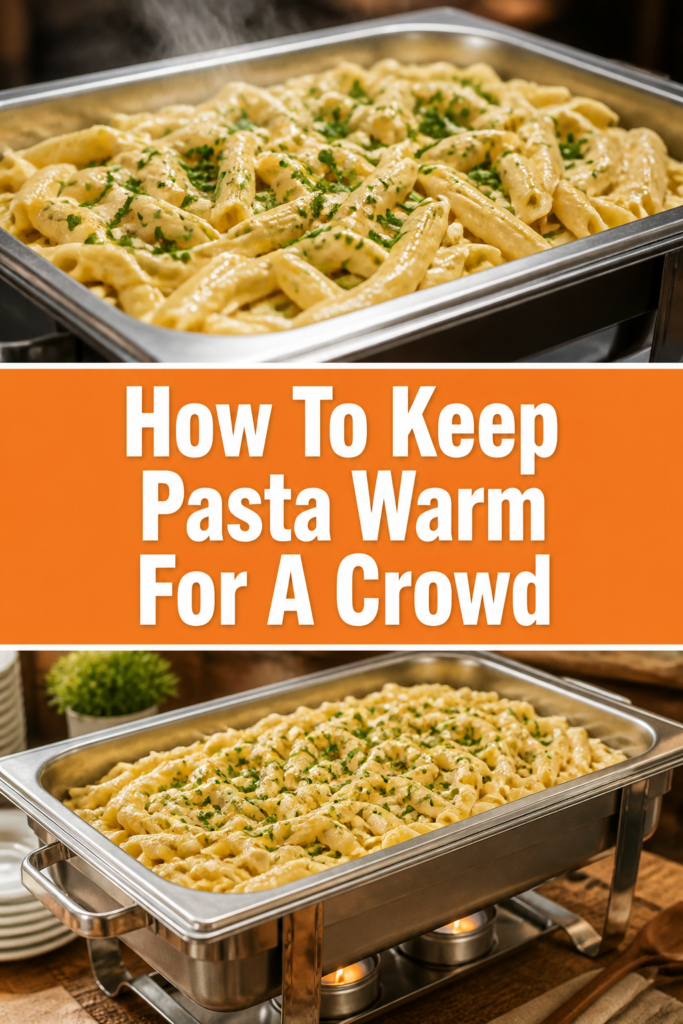
Serving a big batch of pasta at just the right temperature can feel like a culinary tightrope walk.
I learned this lesson firsthand at a large family gathering, watching a beautiful bowl of fettuccine Alfredo quickly turn into a sad, congealed mess.
This guide shares practical, tested methods to ensure your pasta stays perfectly warm and delicious for everyone.
Quick Overview
You’ll master the art of serving hot, fresh-tasting pasta to any size group, eliminating the stress of last-minute reheating.
- Time needed: 15-30 minutes active prep, 1-3 hours holding time
- Difficulty: Intermediate
- What you’ll need: Large pots, serving dishes, heat sources (oven, slow cooker, chafing dish, insulated container)
Step-by-Step Instructions
Step 1: Cook Pasta Al Dente
Boil your pasta just shy of fully cooked, reaching an “al dente” texture. This means it should still have a slight bite to it, firmer than you’d usually serve immediately.
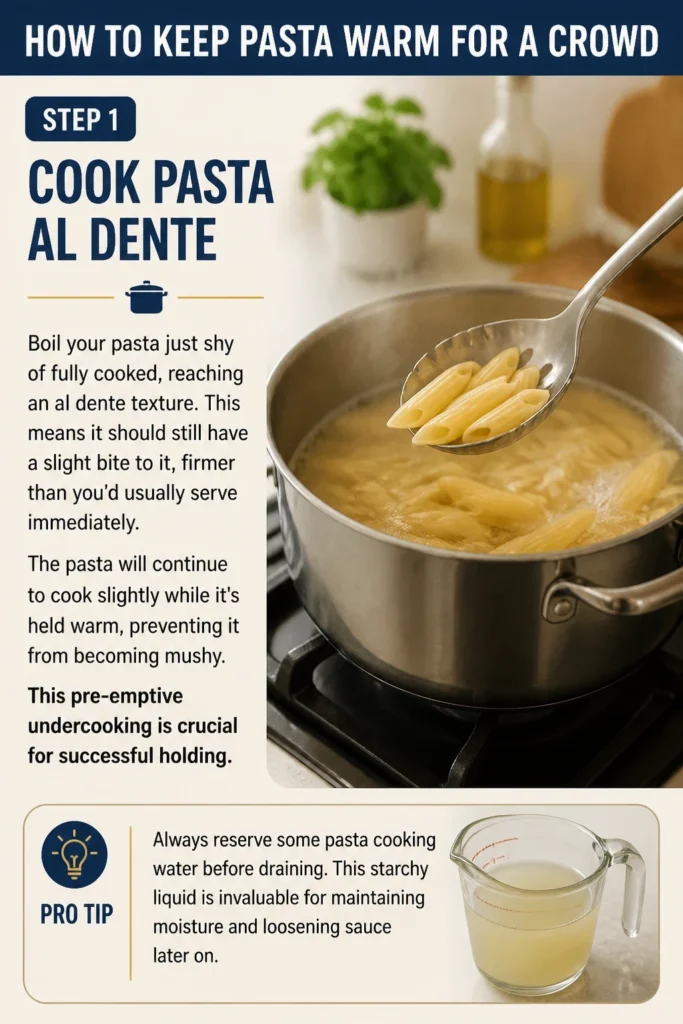
The pasta will continue to cook slightly while it’s held warm, preventing it from becoming mushy. This pre-emptive undercooking is crucial for successful holding.
Pro Tip: Always reserve some pasta cooking water before draining. This starchy liquid is invaluable for maintaining moisture and loosening sauce later on.
Step 2: Drain and Lightly Oil Pasta
Drain the pasta quickly once it hits the al dente stage. Do not rinse the pasta, as this washes away the starches needed for sauce adhesion.
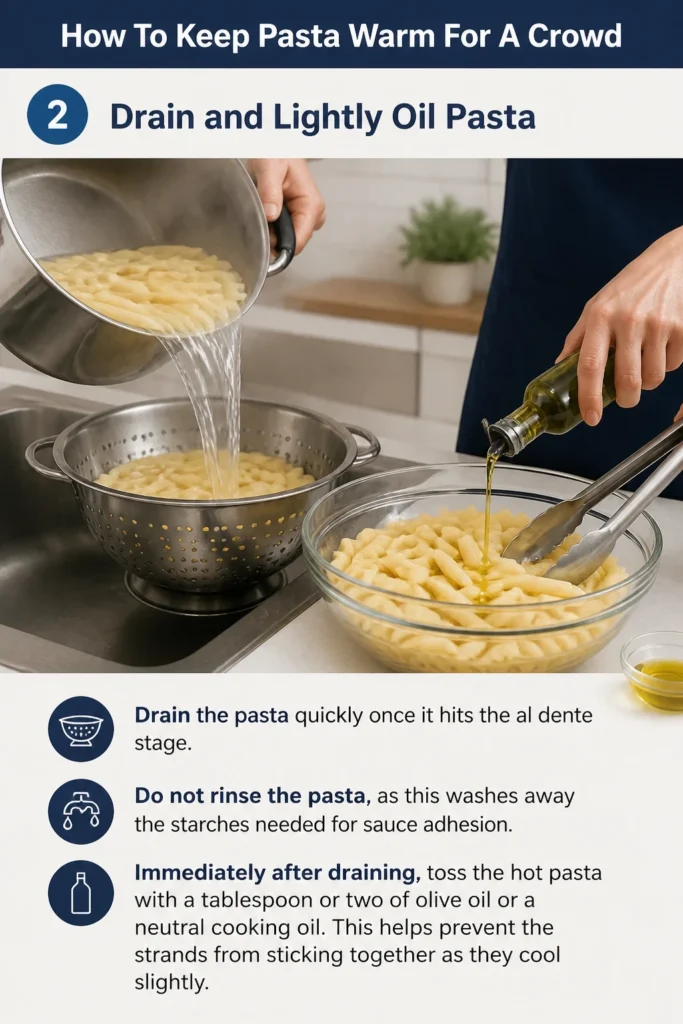
Immediately after draining, toss the hot pasta with a tablespoon or two of olive oil or a neutral cooking oil. This helps prevent the strands from sticking together as they cool slightly.
Step 3: Choose Your Warming Method
Select the best equipment based on your crowd size and available resources. Popular choices include slow cookers, chafing dishes, insulated serving bowls, or even a low-temperature oven.
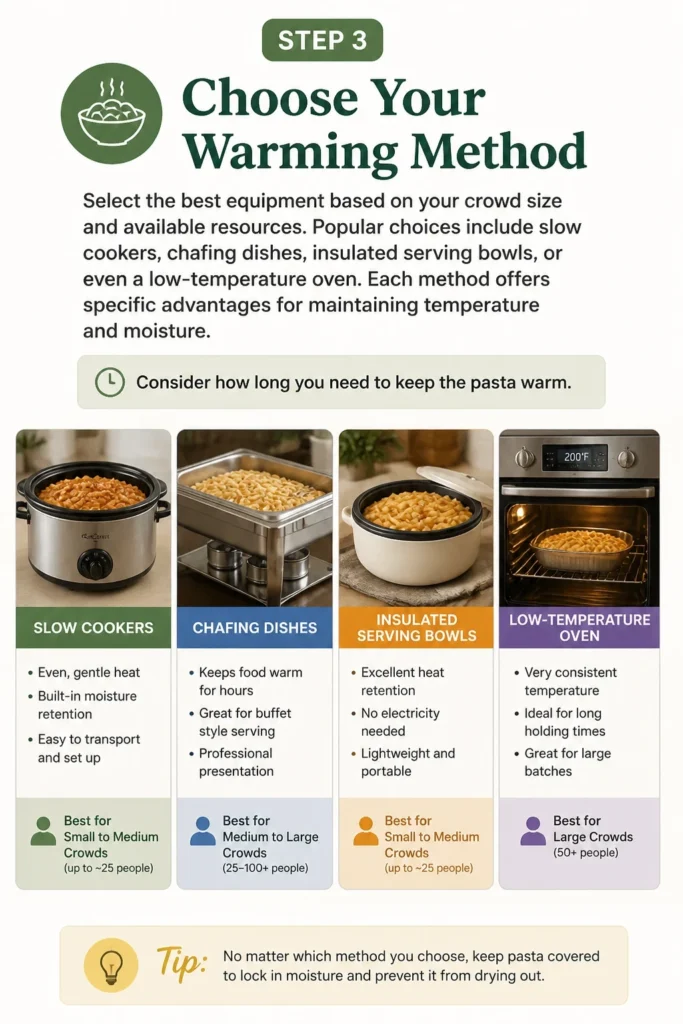
Each method offers specific advantages for maintaining temperature and moisture. Consider how long you need to keep the pasta warm.
Step 4: Prepare Your Sauce Separately
Cook your pasta sauce in a separate pot or container. Keeping the sauce and pasta separate for as long as possible is key to preventing the pasta from absorbing too much liquid and becoming soggy.
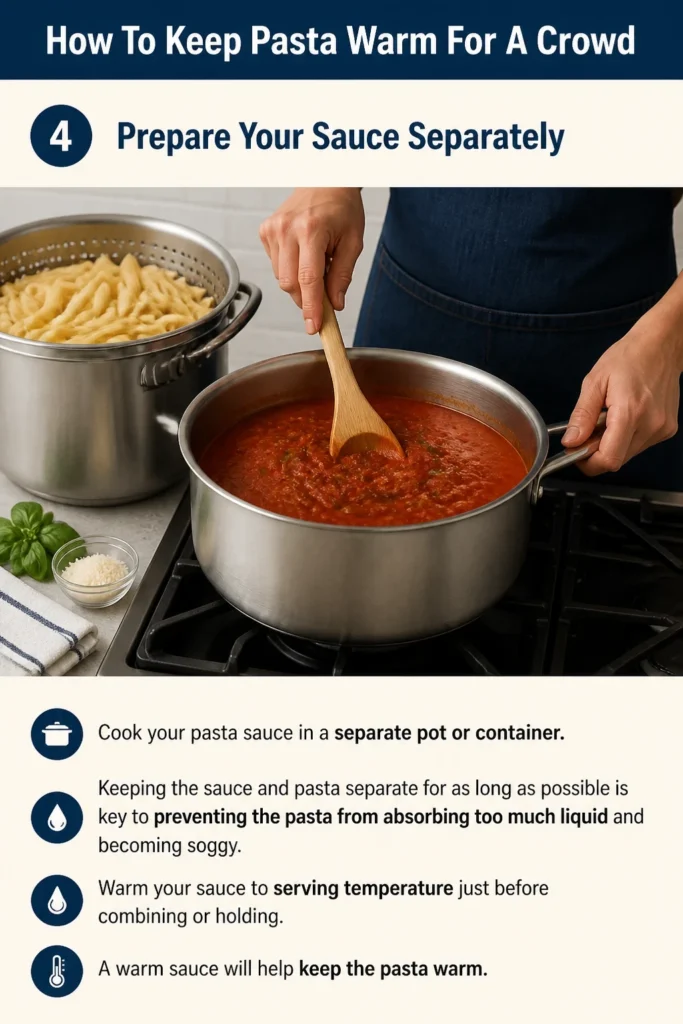
Warm your sauce to serving temperature just before combining or holding. A warm sauce will help keep the pasta warm.
Step 5: Combine Pasta and Sauce (Strategically)
Toss a portion of the warm pasta with a generous amount of warm sauce just before serving. For very large crowds, combine pasta and sauce in smaller batches as needed.
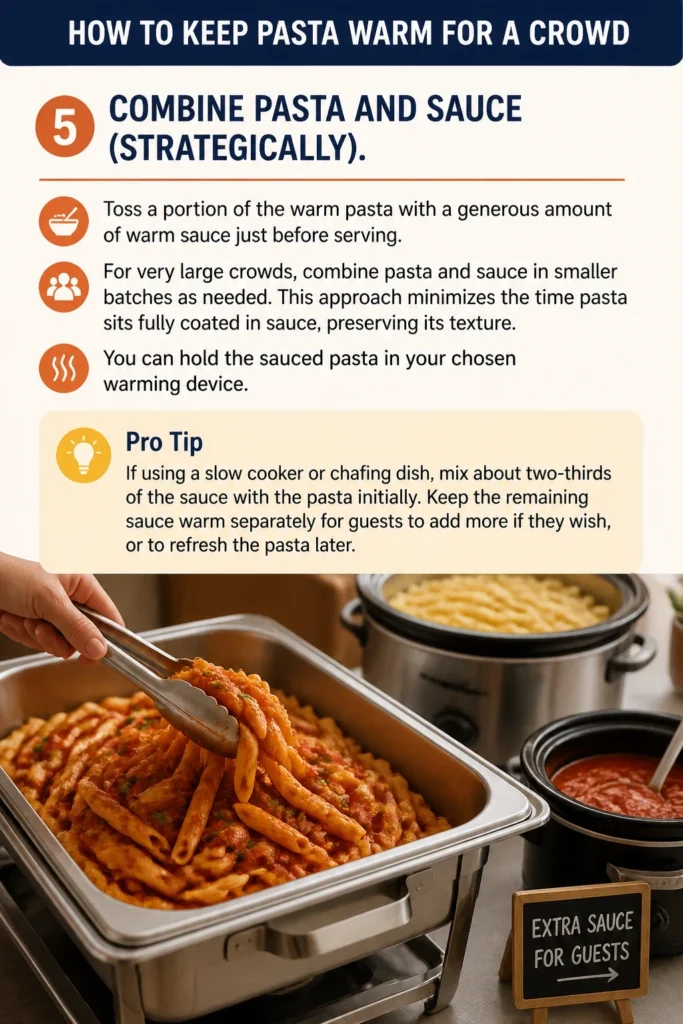
This approach minimizes the time pasta sits fully coated in sauce, preserving its texture. You can hold the sauced pasta in your chosen warming device.
Pro Tip: If using a slow cooker or chafing dish, mix about two-thirds of the sauce with the pasta initially. Keep the remaining sauce warm separately for guests to add more if they wish, or to refresh the pasta later.
Step 6: Maintain Moisture
Add a splash of reserved pasta water or a little extra sauce if the pasta starts to look dry. Stir gently to redistribute moisture and prevent sticking.
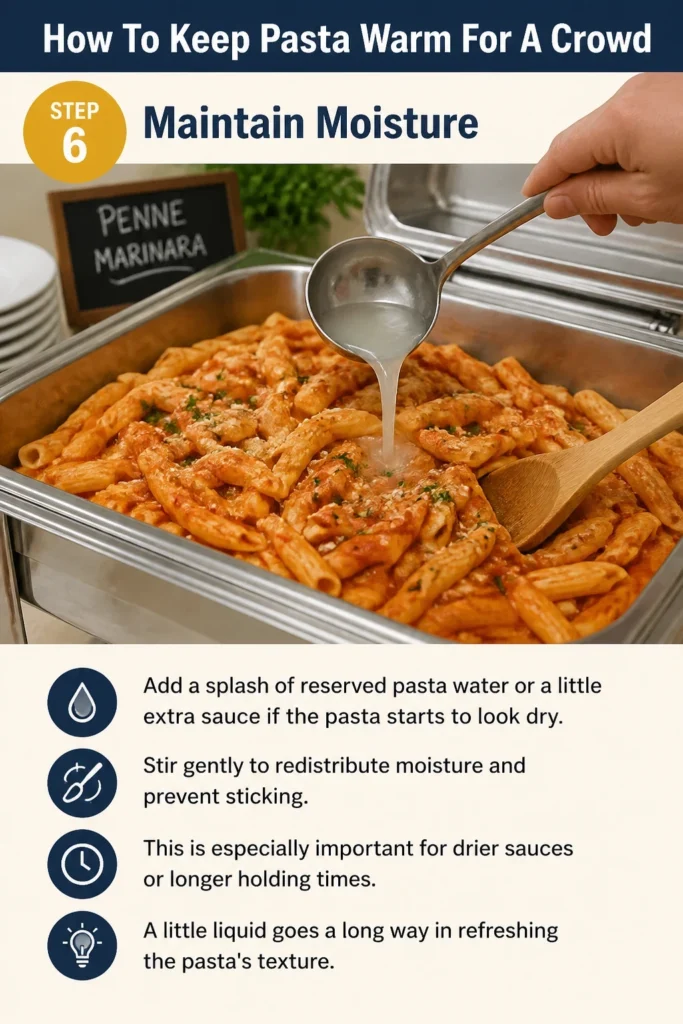
This is especially important for drier sauces or longer holding times. A little liquid goes a long way in refreshing the pasta’s texture.
Step 7: Keep an Eye on Temperature
Monitor the internal temperature of the pasta, aiming for a safe serving temperature above 140°F (60°C). Use a food thermometer if you are unsure.
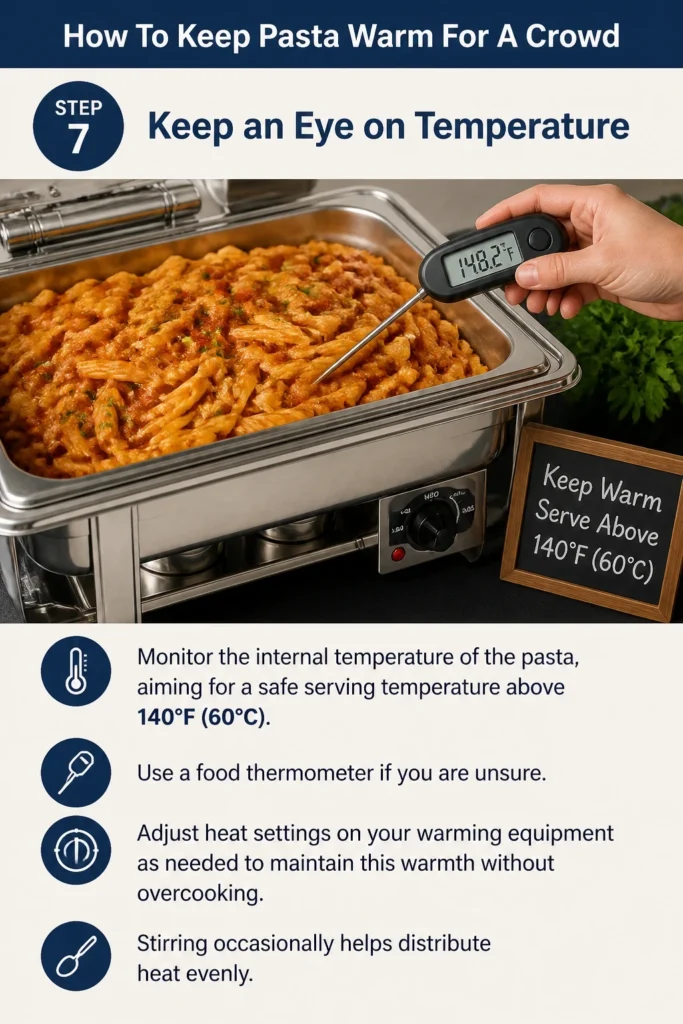
Adjust heat settings on your warming equipment as needed to maintain this warmth without overcooking. Stirring occasionally helps distribute heat evenly.
Step 8: Serve and Enjoy
Serve the perfectly warm pasta with fresh garnishes like grated Parmesan cheese, fresh herbs, or a drizzle of good olive oil. Have extra sauce on the side for those who prefer more.
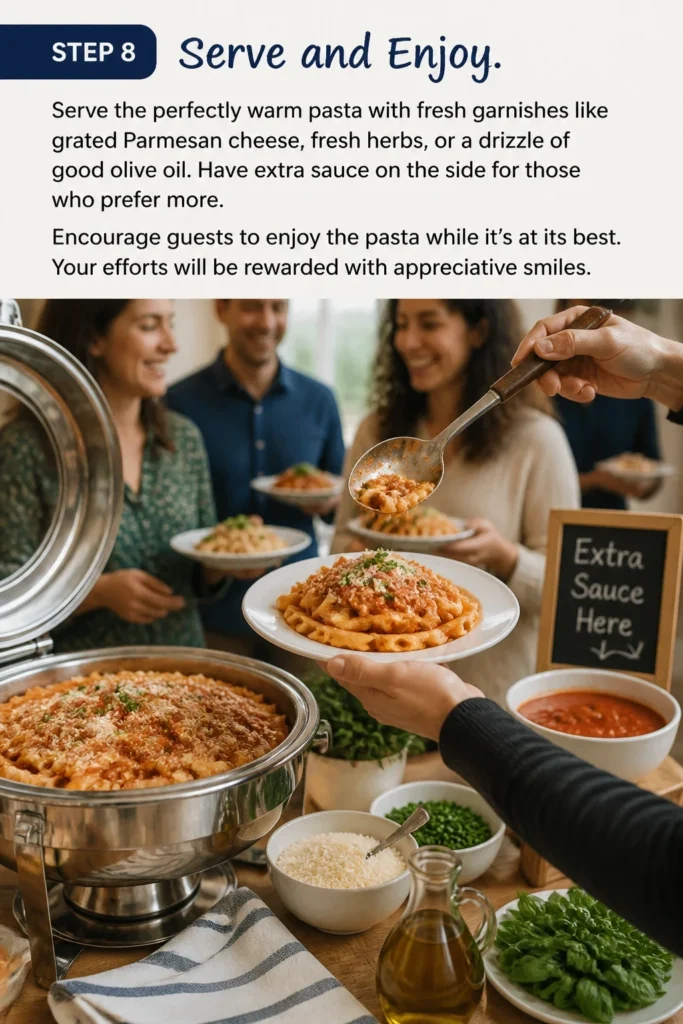
Encourage guests to enjoy the pasta while it’s at its best. Your efforts will be rewarded with appreciative smiles.
Common Mistakes to Avoid
Overcooking Pasta Initially
Cooking pasta to its final desired doneness before holding it warm is a common pitfall. The residual heat and continued exposure to warmth will cause it to soften further.
Always aim for an al dente texture. The pasta should have a slight chew and firmness, ensuring it doesn’t turn mushy by the time it’s served.
Letting Pasta Dry Out
Uncovered pasta, especially when held warm, can quickly become dry and sticky. This impacts both texture and flavor, making it less appealing to eat.
Keep pasta covered tightly whenever possible, whether in a warming tray or a slow cooker. Add a small amount of reserved pasta water or sauce, stirring frequently, to maintain moisture.
Combining All Pasta and Sauce Too Early
Mixing all the pasta with all the sauce hours before serving can lead to soggy pasta. The pasta absorbs the sauce, becoming bloated and losing its desired texture.
Combine pasta and sauce in smaller batches, closer to serving time. If you must combine everything, ensure the pasta is very al dente and the sauce is not overly thick.
Using the Wrong Equipment
Attempting to keep pasta warm in an unsuitable container or without proper heat control can result in either cold pasta or scorched pasta. A regular pot on low heat can easily burn the bottom.
Invest in or borrow appropriate warming equipment like a chafing dish, slow cooker, or insulated server. These are designed to maintain temperature gently and evenly.
Troubleshooting
Pasta is Becoming Too Dry and Sticky
If your pasta appears dry and the strands are clumping together, it likely needs more moisture. This often happens after extended holding times.
Stir in a splash of hot reserved pasta water, a bit more warm sauce, or a drizzle of olive oil. Mix gently to rehydrate and separate the pasta, then cover it again.
Pasta is Getting Mushy
Mushy pasta indicates it was either overcooked initially or held at too high a temperature for too long. There’s limited recovery for truly mushy pasta.
For future batches, cook pasta more al dente. If it’s just slightly soft, reduce the holding temperature or remove it from the heat source for short periods, stirring frequently.
Sauce is Separating or Breaking
Cream-based or oil-based sauces can sometimes separate when held warm for too long or at too high a temperature. This results in an unappetizing appearance.
Gently whisk the sauce to emulsify it again. If it’s a cream sauce, a tiny splash of warm milk or cream can sometimes bring it back. Ensure your warming method provides gentle, consistent heat.
Key Takeaways
- Cook pasta al dente to allow for continued cooking during holding.
- Toss drained pasta with a little oil to prevent sticking.
- Keep pasta and sauce separate until closer to serving time.
- Utilize appropriate warming equipment like chafing dishes or slow cookers.
- Maintain moisture by adding reserved pasta water or extra sauce as needed.
- Monitor serving temperature to ensure food safety and quality.
Frequently Asked Questions
Can I reheat pasta that has already been sauced?
Yes, you can reheat sauced pasta, but it’s best done gently. Use a microwave in short bursts, stirring, or a non-stick pan over low heat with a splash of water or broth. Avoid high heat to prevent drying out or scorching.
What kind of pasta holds up best for a crowd?
Heartier, thicker pasta shapes like penne, rigatoni, rotini, or orecchiette tend to hold up better than delicate long strands like angel hair. Their robust structure resists becoming mushy or breaking down as easily.
How long can I realistically keep pasta warm?
With proper warming equipment and techniques, you can typically keep pasta warm for 1-3 hours. Beyond that, the texture and quality may start to significantly decline, even if it remains safely warm.
Is it better to keep the sauce and pasta completely separate?
Generally, yes, for optimal texture. If you’re holding for an extended period, keeping them separate and combining in batches is ideal. For shorter holds (under an hour), combining them immediately after the pasta is cooked al dente can work well, provided you monitor moisture.
Our Top Recommended Finds
- Electric Chafing Dish: Excellent for keeping large quantities of sauced pasta warm and presentable for hours.
- Programmable Slow Cooker: Versatile for holding both pasta (with some sauce) and separate sauces at a consistent low temperature.
- Insulated Serving Bowl Set: Great for shorter holding times (1-2 hours) for smaller to medium crowds, often comes with lids.
Mastering Warm Pasta for Your Guests
Serving perfectly warm pasta to a crowd doesn’t have to be a source of stress. With these methods, you’re equipped to handle any gathering, big or small.
Practice these techniques, and you’ll soon become the go-to host for delicious, comforting pasta dishes.
Start planning your next pasta party with confidence, knowing your meal will be enjoyed just as it should be: hot and fresh.