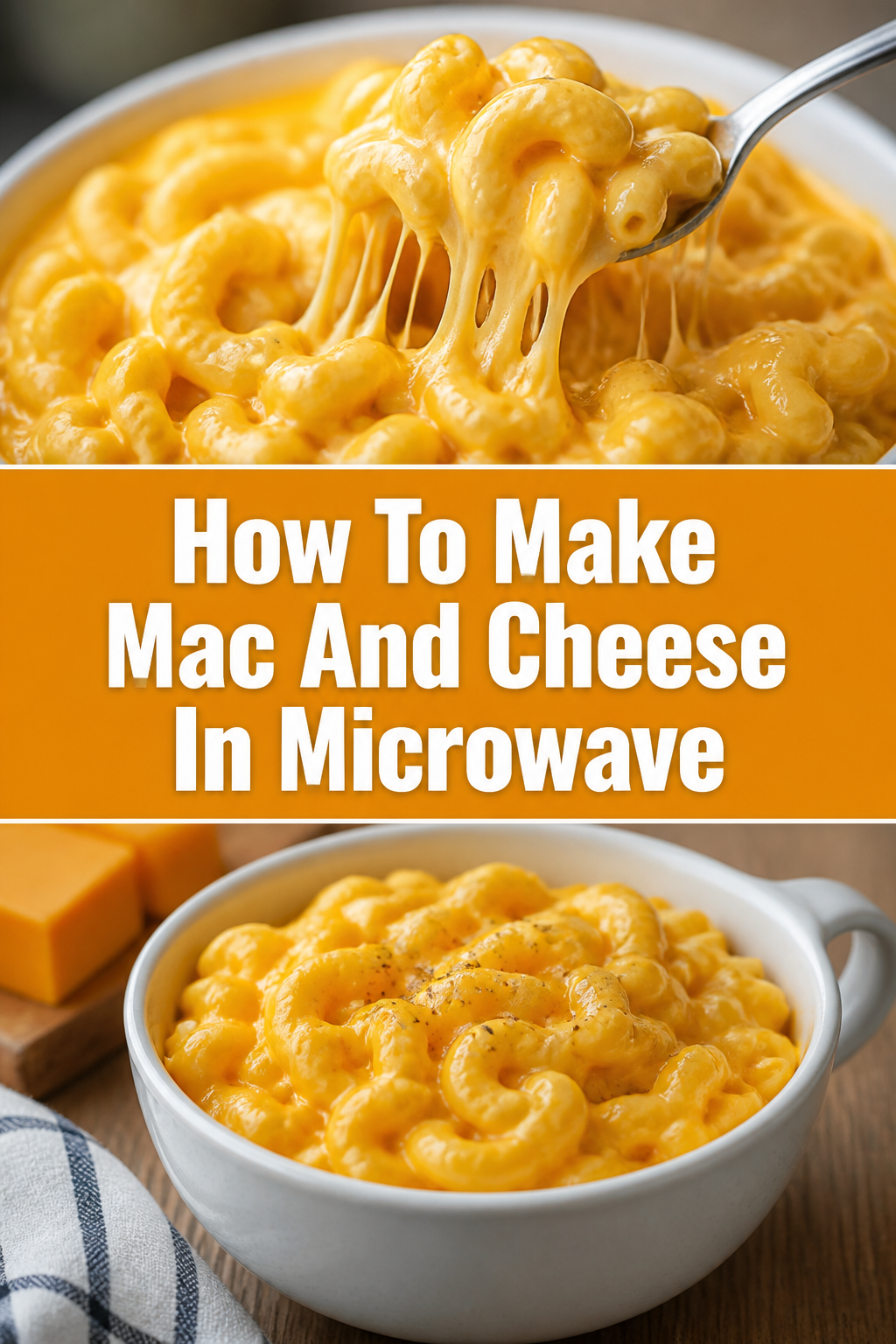
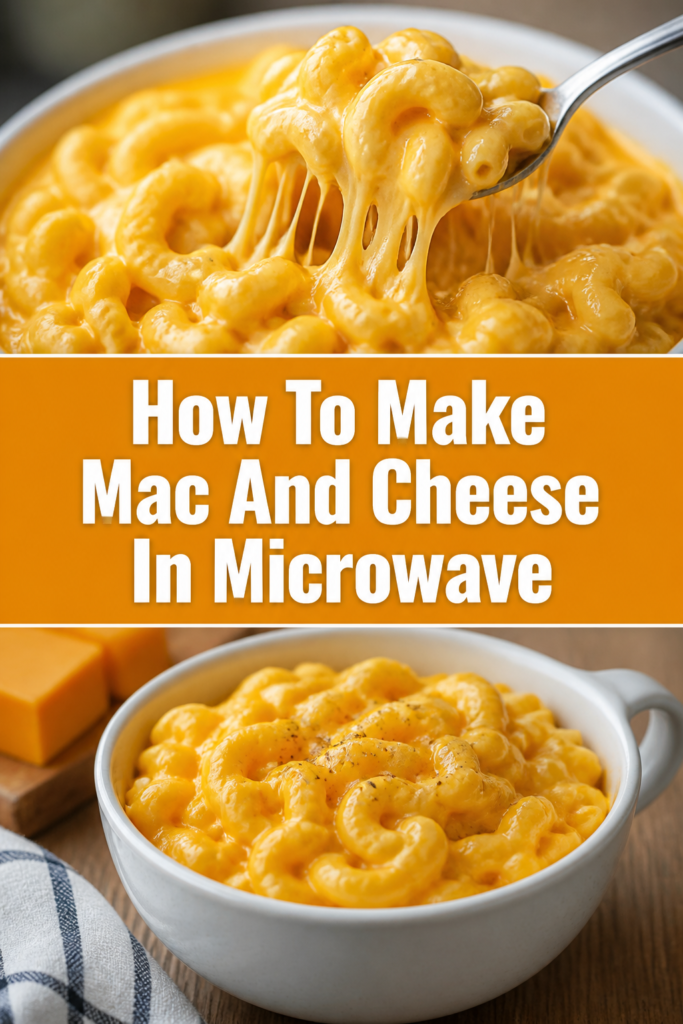
🧀 How To Make Mac And Cheese In Microwave
You are likely here because you want comfort food right now without the hassle of boiling a massive pot of water.
I have spent years perfecting this method in dorm rooms and office breakrooms to ensure the noodles are tender and the sauce is velvety.
This guide will show you exactly how to achieve stovetop-quality results using only your microwave and a few basic ingredients.
Quick Overview
Before you start, here is a snapshot of what this process looks like and what you will need to have ready on your counter.
- Time needed: 10-12 minutes
- Difficulty: Beginner
- What you’ll need: Microwave-safe bowl, macaroni, water, milk, shredded cheese, and butter.
Step-By-Step Instructions
Step 1: Choose Your Vessel Wisely
Select a deep, microwave-safe cereal bowl or a large glass measuring cup for this process.
You want a container that is at least twice as large as the amount of pasta you are cooking.
Pasta water tends to foam and bubble up aggressively in the microwave, and a shallow bowl will lead to a messy cleanup.
Measure half a cup of dry macaroni and pour it into your chosen bowl.
Standard elbow macaroni works best because the small shape cooks evenly in the microwave’s fluctuating heat waves.
Pro Tip: Using a glass bowl allows you to see the water level and the state of the noodles without stopping the microwave.
Step 2: Add Water and Salt
Pour half a cup to three-quarters of a cup of water over the noodles.
The water should completely submerge the pasta with about half an inch of liquid sitting above the noodles.
Sprinkle a generous pinch of salt into the water before you start the cooking process.
Salt is the only chance you have to season the actual pasta from the inside out, so do not skip this part.
Stir the noodles briefly to ensure they are not clumped together at the bottom of the bowl.
Step 3: Begin the First Cooking Interval
Place the bowl in the center of the microwave and set the timer for two minutes on high power.
Microwaves cook by vibrating water molecules, which can cause the water to heat up very quickly in specific spots.
Watch the bowl through the door to make sure the starchy water does not boil over the sides.
If you see the foam rising to the brim, stop the microwave immediately and let it settle for a few seconds.
Remove the bowl carefully after the first two minutes, as it will already be quite hot to the touch.
Step 4: Stir and Repeat
Stir the pasta thoroughly to redistribute the heat and break up any noodles that are sticking together.
Return the bowl to the microwave for another two-minute interval.
You will notice the water is starting to look cloudy as the starch is released from the macaroni.
Repeat this process in two-minute bursts until the noodles have absorbed most of the water and are tender.
Most microwaves will take between 6 and 8 minutes total to get the pasta to a perfect “al dente” texture.
Pro Tip: If the water evaporates before the noodles are soft, add two tablespoons of hot water and continue cooking.
Step 5: Prepare the Sauce Base
Check the bottom of the bowl once the noodles are cooked to see if there is any excess water.
If there is more than a tablespoon of liquid left, go ahead and drain it out, but keep a tiny bit of that starchy water.
Add two tablespoons of milk to the hot noodles to provide the moisture needed for the cheese to melt into a sauce.
Drop in a small pat of butter, roughly one tablespoon, and stir it until it is completely melted.
The fat from the butter helps create a silkier mouthfeel and prevents the cheese from becoming “stringy” or clumping.
Step 6: Incorporate the Cheese
Measure out half a cup of shredded cheese and sprinkle it over the warm, buttery noodles.
Sharp cheddar is the classic choice for flavor, but a blend of Monterey Jack and Cheddar melts even better.
Stir the mixture vigorously until the cheese starts to lose its shape and coat the macaroni.
If the cheese is not melting completely, put the bowl back in the microwave for a final 20 to 30 seconds.
Watch closely during this final zap, as you do not want to “break” the cheese sauce by overheating it.
Step 7: Final Seasoning and Rest
Taste a noodle to see if it needs more salt or a crack of black pepper.
Add a tiny pinch of garlic powder or smoked paprika if you want to elevate the flavor profile beyond the basics.
Let the mac and cheese sit for one full minute before you start eating.
This resting period allows the sauce to thicken as it cools slightly, ensuring it clings to every curve of the pasta.
Pro Tip: A teaspoon of Dijon mustard stirred in at the end adds a professional depth of flavor that cuts through the richness.
Common Mistakes to Avoid
Using a Shallow Bowl
One of the biggest errors people make is using a standard soup bowl that is filled to the brim.
Pasta water expands and foams significantly when it reaches a boil in the microwave.
A shallow bowl will result in starchy water spilling all over your microwave turntable, which is a pain to clean.
Using Pre-Shredded Bagged Cheese
While convenient, pre-shredded cheese is coated in potato starch or cellulose to prevent clumping in the bag.
This coating prevents the cheese from melting smoothly into a cohesive sauce in the microwave.
You will often end up with a grainy or oily texture rather than a creamy one.
Grating your own cheese from a block takes thirty seconds and results in a much better sauce.
Overcooking the Noodles
Microwave cooking continues for a minute or two after the timer goes off due to residual heat.
If you cook the noodles until they are completely soft in the microwave, they will turn into mush once you add the cheese.
Aim for a texture that still has a slight “bite” to it before you add your dairy ingredients.
Adding Too Much Water Initially
If you drown the noodles in too much water, you will have to drain away all that precious starch.
The starch in the cooking water helps emulsify the cheese and milk into a thick, creamy sauce.
Start with just enough to cover the noodles and add more only if necessary during the cooking process.
Troubleshooting
The Sauce Is Too Thin and Watery
If your finished mac and cheese looks like soup, you likely added too much milk or didn’t drain enough water.
You can fix this by adding a bit more shredded cheese and stirring it in to thicken the mixture.
Alternatively, let the bowl sit for two minutes, as the sauce naturally thickens as the temperature drops.
The Noodles Are Still Crunchy
This happens if the water didn’t stay hot enough or if there wasn’t enough liquid for the pasta to absorb.
Add two tablespoons of water, cover the bowl with a microwave-safe plate, and cook for another 60 seconds.
The plate traps the steam, which helps penetrate the core of the pasta more effectively than boiling water alone.
The Cheese Is Clumpy and Oily
This is usually a sign that the cheese was overheated or “broken” by too much direct radiation.
To fix a broken sauce, add a teaspoon of cold milk and stir rapidly to try and re-emulsify the fats.
In the future, always stir the cheese into the hot noodles outside of the microwave first before deciding if it needs more heat.
Key Takeaways
- Use a deep bowl to prevent starchy water from boiling over and creating a mess.
- Cook the pasta in short intervals and stir frequently to ensure even hydration.
- Freshly grated cheese provides a much smoother and creamier sauce than bagged shreds.
- Save a tiny bit of the starchy pasta water to help the cheese and milk bind together.
- Add seasonings like mustard powder or paprika to give the dish a more complex flavor.
- Allow the dish to rest for 60 seconds after cooking to let the sauce reach its ideal thickness.
Frequently Asked Questions
Can I use gluten-free pasta for microwave mac and cheese?
Yes, you can use gluten-free pasta, but you need to be more careful with the timing.
Gluten-free noodles, especially those made from rice, tend to go from hard to mushy very quickly.
Check the noodles every 90 seconds and use slightly more water, as gluten-free pasta often absorbs more liquid.
Is it possible to make this with water only?
You can make it with water, but the sauce will lack the creamy, rich profile that milk provides.
If you don’t have milk, use a little extra butter and a splash of the pasta cooking water to create the sauce.
The result will be more like a cheesy pasta butter sauce than a traditional creamy mac and cheese.
Can I add protein like ham or tuna to the bowl?
Adding protein is a great way to turn this side dish into a full meal.
Add precooked proteins like diced ham, canned tuna, or leftover chicken at the very end when you add the cheese.
The residual heat from the pasta is usually enough to warm the protein through without overcooking it.
How do I make a larger portion for two people?
You can double the recipe, but you must use a significantly larger bowl to accommodate the volume.
Double the water and the pasta, and increase the initial cooking time to four minutes before the first stir.
Keep in mind that larger volumes take longer to heat, so the total cooking time may increase by 30-50%.
Our Top Recommended Finds
- Large Pyrex Glass Measuring Cup: This is the ultimate tool for microwave pasta because the handle stays cool and the high walls prevent boil-overs.
- Microplane Box Grater: A sturdy grater makes it easy to shred your own cheese quickly, which is the secret to a non-grainy sauce.
- Silicone Microwave Bowl Cover: These covers allow steam to escape while preventing splatters, making them better than paper towels.
Mastering Your Microwave Mug Meals
Now that you have mastered the art of microwave mac and cheese, you can experiment with different flavor profiles.
Try using pepper jack cheese for a spicy kick or adding a spoonful of pesto for a gourmet twist.
The microwave is a powerful tool for quick meals when you understand the physics of how it heats food.
Go ahead and grab a bowl and some cheese to start your first batch today.