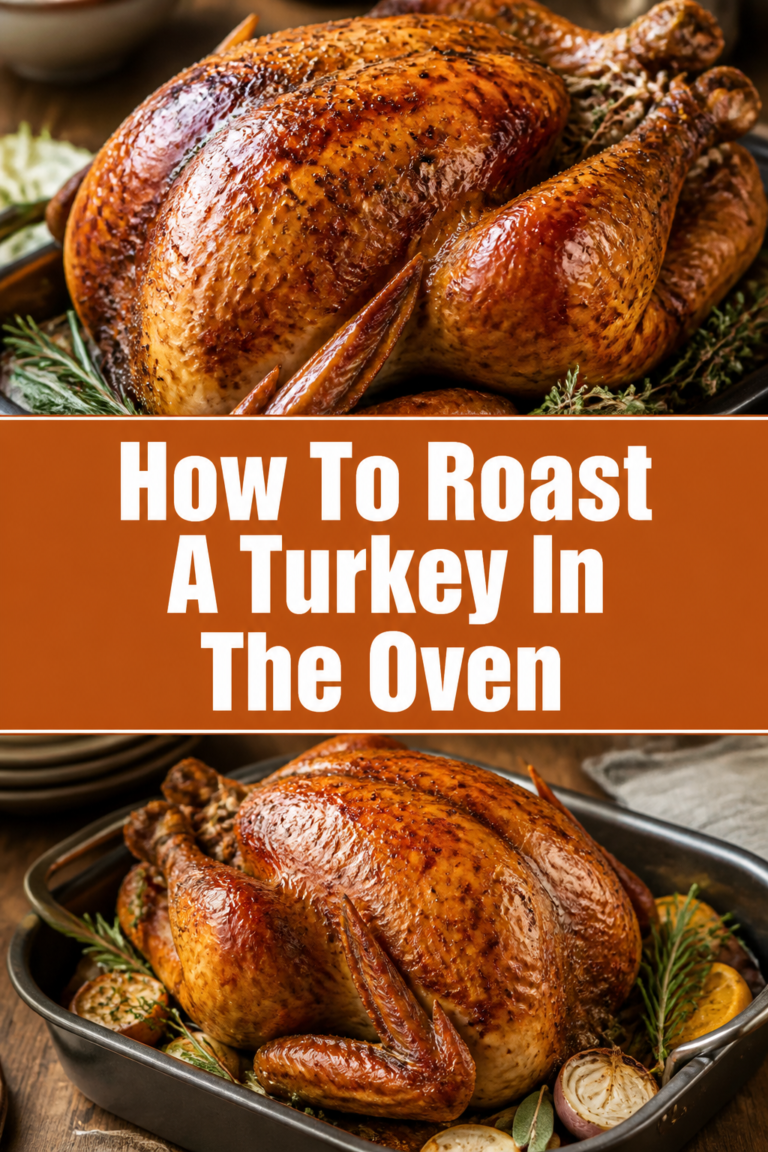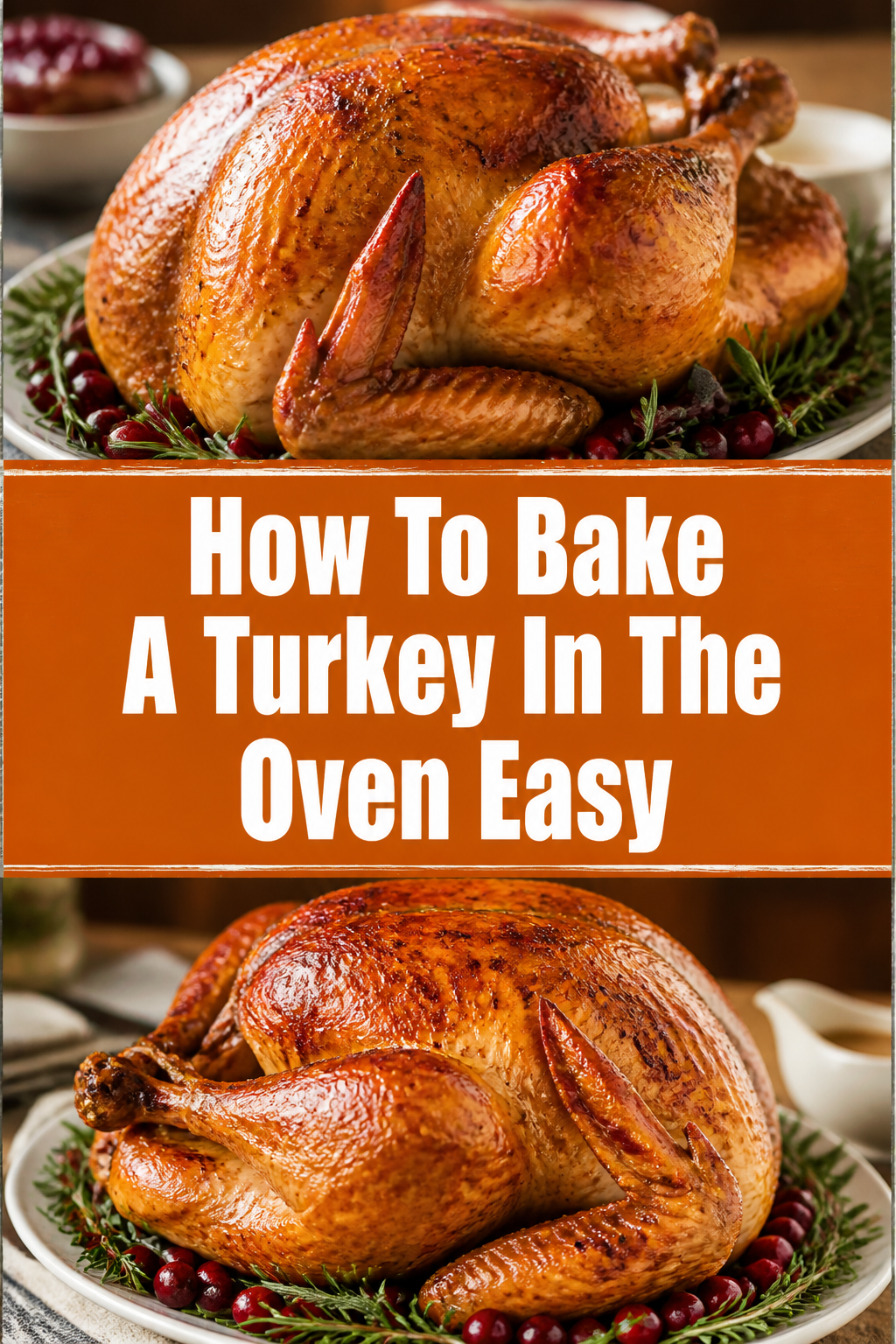
How To Bake A Turkey In The Oven Easy
I remember my first Thanksgiving turkey was a dry, stressful mess that almost ruined the entire holiday dinner.
Since then, I have perfected a foolproof method that guarantees a juicy bird every single time without the unnecessary stress.
This guide is built on years of trial and error in my own kitchen to ensure your meal is a total success.
Quick Overview
Baking a turkey does not have to be a daunting task that requires professional chef skills.
By following a few simple rules regarding temperature and timing, you can produce a centerpiece that looks like it belongs in a magazine.
- Time needed: 4 to 6 hours (depending on turkey size and prep)
- Difficulty: Beginner
- What you’ll need: Roasting pan, meat thermometer, butter, aromatics, and kitchen twine.
Step-by-Step Instructions
Step 1: Thaw the Turkey Completely
Plan ahead because a large turkey can take several days to thaw safely in the refrigerator.
The general rule is to allow 24 hours of thawing time for every five pounds of turkey meat.
Never thaw your turkey on the kitchen counter at room temperature because this allows dangerous bacteria to grow.
Pro Tip: If you are in a rush, you can use a cold water bath, changing the water every 30 minutes, but the fridge is the safest method.
Step 2: Prepare the Bird for Roasting
Remove the turkey from its packaging and reach inside the cavity to pull out the neck and the bag of giblets.
You can save these pieces to make a rich homemade gravy or discard them if you prefer a simpler meal.
Pat the turkey completely dry with paper towels, including the inside of the cavity and every fold of the skin.
Dry skin is the secret to getting that golden, crispy texture that everyone loves at the dinner table.
Step 3: Season Inside and Out
Generously sprinkle salt and black pepper inside the main cavity of the turkey to flavor the meat from the inside out.
Rub softened butter or olive oil all over the exterior of the bird to help the seasonings stick and promote browning.
You can also mix dried herbs like sage, rosemary, and thyme into your butter for an extra layer of classic holiday flavor.
Pro Tip: Gently loosen the skin over the breast meat and slide some herb butter underneath for maximum juiciness.
Step 4: Add Aromatics to the Cavity
Stuff the cavity with roughly chopped onions, halved heads of garlic, fresh herbs, and sliced lemons or apples.
These ingredients are not meant to be eaten, but they release moisture and fragrance as the turkey bakes.
Avoid packing bread-based stuffing inside the bird, as this can slow down the cooking process and lead to uneven temperatures.
Step 5: Truss and Prep the Pan
Tie the legs together with kitchen twine to keep the bird compact and ensure it cooks evenly in the oven.
Tuck the wing tips under the body so they do not burn during the long roasting process.
Place the turkey on a roasting rack inside a heavy-duty roasting pan to allow hot air to circulate underneath the bird.
Step 6: Roast at the Right Temperature
Preheat your oven to 325 degrees Fahrenheit (165 degrees Celsius) for a slow and steady bake.
Slide the roasting pan into the lower third of the oven so the turkey sits in the center of the heat source.
You should expect the turkey to cook for about 13 to 15 minutes per pound if it is unstuffed.
Pro Tip: If the skin starts getting too dark before the meat is done, loosely tent a piece of aluminum foil over the breast.
Step 7: Check for Doneness
Insert a reliable meat thermometer into the thickest part of the thigh, making sure not to hit the bone.
The turkey is safely cooked and ready to come out when the internal temperature reaches 165 degrees Fahrenheit.
Check the temperature in the thickest part of the breast as well to ensure the entire bird is finished.
Step 8: Let the Meat Rest
Transfer the turkey to a cutting board or a warm platter once it reaches the target temperature.
Wait at least 30 to 45 minutes before you even think about picking up a carving knife.
Resting allows the juices to redistribute throughout the meat, ensuring every slice is moist and tender.
Common Mistakes to Avoid
Washing the Turkey in the Sink
Many people think they need to rinse the turkey under the faucet before cooking it.
This actually spreads bacteria all over your sink and countertops through water droplets and splashing.
The heat of the oven will kill any surface bacteria, so skip the rinse and just pat the skin dry.
Relying on the Plastic Pop-Up Timer
Most turkeys come with a little plastic timer that is supposed to pop up when the bird is done.
These timers are notoriously unreliable and often wait until the turkey is severely overcooked and dry.
Always use a digital meat thermometer for the most accurate and delicious results.
Carving the Turkey Too Early
If you cut into the turkey the moment it comes out of the oven, all the delicious juices will run out onto the board.
This leaves the meat dry and tough by the time it reaches the plates of your guests.
Patience is the most important ingredient during the final hour of your cooking process.
Troubleshooting
The Skin is Browning Too Fast
Sometimes the skin looks perfect after only two hours, but the inside is still raw.
Simply create a “shield” using a large piece of aluminum foil and place it loosely over the top of the turkey.
This reflects the direct heat and allows the internal temperature to keep rising without burning the exterior.
The Meat is Still Frozen in the Center
If you start prepping and realize the inside is still icy, don’t panic or try to microwave it.
You can still roast the turkey, but it will take about 50 percent longer to cook through completely.
Keep a close eye on the thermometer and be prepared to wait a few extra hours for dinner.
The Pan Drippings are Burning
If the bottom of your roasting pan looks like it is smoking or burning, your gravy will taste bitter.
Pour a cup or two of water or chicken broth into the bottom of the pan to keep the drippings liquid.
This keeps the oven moist and ensures you have plenty of flavorful liquid for your sauce later.
Key Takeaways
- Always thaw your turkey in the refrigerator for several days to ensure food safety and even cooking.
- Pat the skin completely dry with paper towels to achieve a crispy, golden brown finish.
- Use a digital meat thermometer to pull the bird at 165 degrees Fahrenheit rather than trusting a timer.
- Fill the cavity with aromatics like onion and garlic instead of bread stuffing for better airflow.
- Rest the turkey for at least 30 minutes after roasting to lock in the natural juices.
- Avoid washing the bird in the sink to prevent the spread of kitchen bacteria.
Frequently Asked Questions
Do I need to baste the turkey every 30 minutes?
Basting is not strictly necessary and can actually make the skin less crispy.
Every time you open the oven door to baste, you lose heat, which extends the cooking time and can dry out the meat.
If you want extra flavor, a good butter rub at the beginning is usually more effective than constant basting.
How long does a 15-pound turkey take to bake?
At 325 degrees Fahrenheit, an unstuffed 15-pound turkey usually takes between 3.5 and 4 hours.
However, every oven is different, so you should start checking the internal temperature around the 3-hour mark.
Factors like the shape of the bird and the material of your pan can also influence the total time.
Can I bake a turkey the day before?
You can bake it ahead of time, but the meat is always best when served fresh after its initial rest.
If you must cook it early, carve the meat while it is warm and store it in a container with a little broth.
Reheat the slices gently in the oven covered with foil to prevent them from drying out.
Is it okay to cook a turkey at a higher temperature?
Some people prefer roasting at 350 or 375 degrees Fahrenheit to speed up the process.
While this works, it increases the risk of the outside burning before the inside is fully cooked.
A lower temperature like 325 degrees is more forgiving and leads to a more uniform result for beginners.
Our Top Recommended Finds
- Digital Meat Thermometer: A long-probe thermometer allows you to check the temperature without getting too close to the heat.
- Heavy-Duty Roasting Pan: Look for a stainless steel or cast iron pan that won’t warp under the weight of a large bird.
- Silicone Basting Brush: These are much easier to clean than traditional bristle brushes and help spread butter evenly.
Master Your Holiday Feast Today
Now that you have the knowledge to bake a perfect turkey, it is time to put these steps into practice.
Once you master the turkey, you might want to explore making a classic herb gravy or a fresh cranberry sauce to go with it.
Gather your ingredients, clear your schedule, and get ready to impress your family with the juiciest turkey they have ever tasted.
Start your preparation today by checking your freezer and ensuring you have enough time for a safe thaw.