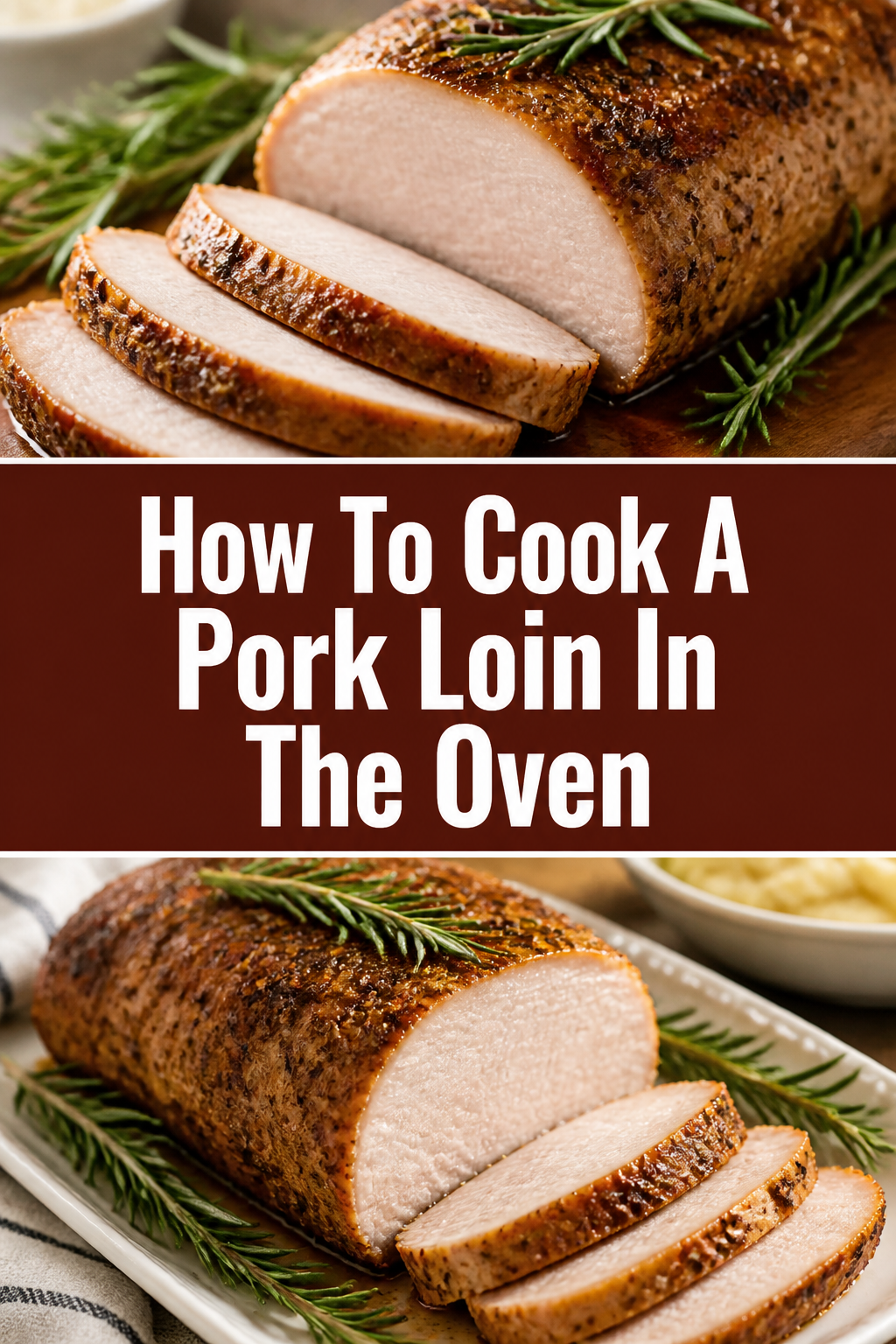
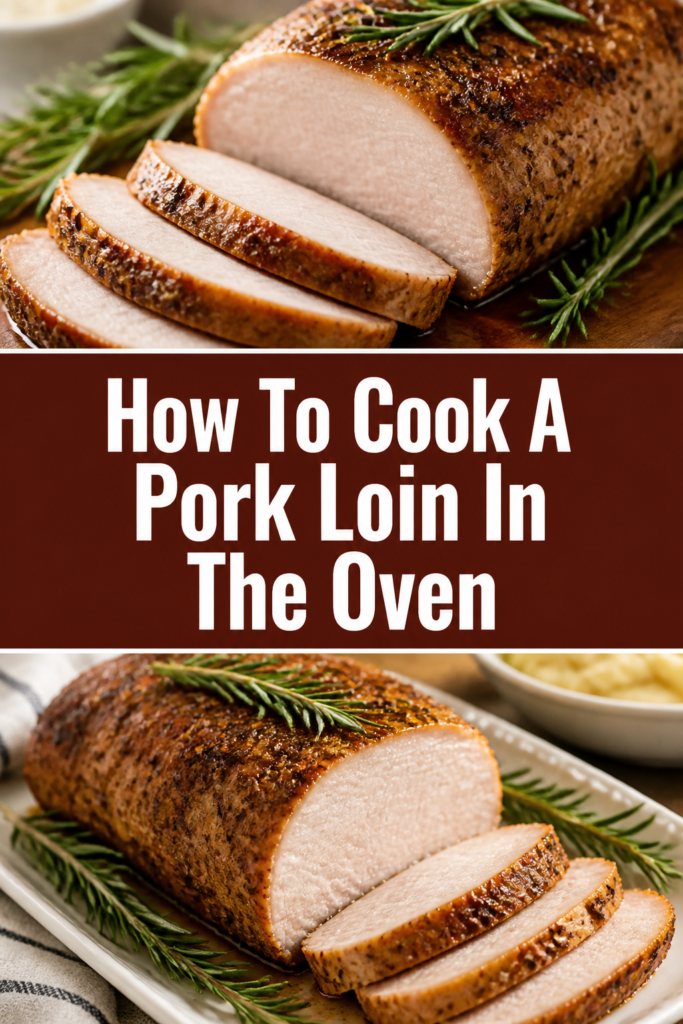
How To Cook A Pork Loin In The Oven
Cooking a perfect pork loin might seem intimidating at first glance. Many home cooks fear drying it out or ending up with a bland meal. I’ve been there, turning out a few less-than-stellar roasts in my early days.
But with a few simple techniques, you can transform a humble pork loin into a tender, juicy, and flavorful centerpiece for any meal. This guide draws on years of kitchen experience to ensure your pork loin is a triumph every time. Get ready to impress yourself and your guests!
Quick Overview
This guide will walk you through preparing a succulent pork loin, roasted to perfection in your oven. You’ll learn the secrets to a crispy exterior and a moist, tender interior. We’ll cover everything from seasoning to resting, ensuring a delicious result.
- Time needed: 1 hour 30 minutes – 2 hours (includes prep, cook, and rest time)
- Difficulty: Beginner
- What you’ll need: Pork loin, basic seasonings, roasting pan, meat thermometer, cutting board, sharp knife.
Step-by-Step Instructions
Step 1: Prepare Your Pork Loin
Start by removing your pork loin from its packaging. Pat the entire surface thoroughly dry with paper towels. This crucial step helps achieve a beautiful, crispy crust.
Next, let the pork loin sit at room temperature for about 30-60 minutes before cooking. This allows the meat to cook more evenly, preventing the outside from overcooking while the inside struggles to reach temperature.
If your pork loin has a thick fat cap, you might want to score it lightly in a crosshatch pattern. Be careful not to cut into the meat itself, only the fat. Scoring helps the fat render and crisp up, adding flavor and texture.
Pro Tip: A dry surface is key for browning. Moisture creates steam, which prevents that coveted crispy exterior. Don’t skip the pat-down!
Step 2: Season Generously for Flavor
Once the pork loin is dry and at room temperature, it’s time to season it. Don’t be shy here; pork loin is a relatively lean cut and can take a good amount of seasoning.
Rub the entire surface with a tablespoon or two of olive oil or another neutral cooking oil. This helps the seasonings adhere and promotes browning.
Sprinkle liberally with coarse salt, freshly ground black pepper, garlic powder, and onion powder. You can also add dried herbs like rosemary, thyme, or sage for an aromatic touch. Make sure to cover all sides evenly.
Really work the seasonings into the meat with your hands. This creates a flavorful crust that will enhance every bite.
Step 3: Preheat Your Oven
Preheating your oven correctly is fundamental for even cooking. Set your oven to 375°F (190°C).
Ensure your oven rack is positioned in the middle. This allows for even heat distribution around the pork loin.
Allow the oven to fully preheat for at least 15-20 minutes, even after it indicates it’s reached the set temperature. This ensures the oven cavity is consistently hot, which is important for searing and roasting.
Step 4: Sear for an Irresistible Crust (Optional, but Recommended)
While this step is optional, searing creates an incredible depth of flavor and a beautiful crust. Heat a large, oven-safe skillet (cast iron works wonderfully) over medium-high heat with a tablespoon of oil until shimmering.
Carefully place the seasoned pork loin in the hot skillet. Sear on all sides for 2-3 minutes per side, until a deep golden-brown crust forms. This process caramelizes the exterior, locking in juices and adding richness.
Once seared, transfer the pork loin, still in the oven-safe skillet, directly to the preheated oven. If you don’t have an oven-safe skillet, transfer the seared loin to a roasting pan. If you skip searing, simply place the seasoned loin directly into a roasting pan.
Pro Tip: A good sear isn’t just for looks. It develops the Maillard reaction, a chemical process that creates hundreds of new flavor compounds, making your pork loin taste much richer.
Step 5: Roast to Perfection
Place your pork loin in the preheated oven. For a 2-3 pound pork loin, expect it to roast for approximately 25-45 minutes. Cooking time will vary depending on the exact size and thickness of your loin.
The most critical tool for perfectly cooked pork is a reliable meat thermometer. Insert the thermometer into the thickest part of the loin, making sure not to touch any bone or go all the way through to the bottom.
Cook the pork loin until the internal temperature reaches 140-145°F (60-63°C). Remember that the temperature will continue to rise as the meat rests, a process called carryover cooking.
Check the temperature periodically, especially as you approach the expected cooking time. Overcooking is the biggest culprit for dry pork.
Step 6: Rest Your Loin for Juiciness
Once your pork loin reaches the target internal temperature, immediately remove it from the oven. Transfer it to a clean cutting board.
Tent the pork loin loosely with aluminum foil. This helps to retain heat and allows the juices to redistribute throughout the meat.
Let the pork loin rest for at least 10-15 minutes. This resting period is absolutely essential for a tender and juicy result. If you cut into it too soon, all those delicious juices will run out onto your cutting board.
During this rest, the internal temperature will typically rise by another 5-10 degrees, reaching the safe final temperature of 145-155°F (63-68°C).
Step 7: Slice and Serve
After resting, your pork loin is ready to be sliced. Remove the foil and discard it.
Using a sharp knife, slice the pork loin against the grain. Cutting against the grain shortens the muscle fibers, making each slice more tender and easier to chew.
Arrange the slices on a serving platter. You can drizzle with any accumulated pan juices or serve with a simple pan sauce if desired.
Serve your perfectly roasted pork loin immediately with your favorite side dishes. Enjoy the fruits of your labor!
Common Mistakes to Avoid
Overcooking the Loin
The most common mistake with pork loin is cooking it for too long. Pork loin is a lean cut and will dry out quickly if overcooked, resulting in a tough and unappetizing texture. Always rely on a meat thermometer, aiming for an internal temperature of 140-145°F (60-63°C) before resting.
Not Resting the Meat
Skipping the resting step is a critical error. Resting allows the muscle fibers to relax and reabsorb the juices that have migrated to the center during cooking. Cutting into the loin too soon will cause all those precious juices to escape, leaving you with dry meat.
Under-Seasoning
Pork loin has a mild flavor and benefits greatly from generous seasoning. A timid hand with salt, pepper, and herbs will result in a bland final product. Don’t be afraid to apply a good, even coating of your chosen spices.
Ignoring Room Temperature
Starting with a cold pork loin straight from the refrigerator can lead to uneven cooking. The outside can overcook and dry out while the center is still struggling to reach temperature. Allowing it to come to room temperature for 30-60 minutes promotes more even heat penetration.
Troubleshooting
Pork is Dry
If your pork loin turned out dry, the most likely culprit is overcooking. Ensure you’re using a reliable meat thermometer and removing the loin from the oven when it reaches 140-145°F (60-63°C). Additionally, ensure you rested the meat adequately before slicing.
Crust Isn’t Crispy
A non-crispy crust often stems from insufficient searing or a moist surface. Make sure to pat the pork loin very dry before seasoning. If searing, ensure your pan is hot enough and you’re not crowding it. For oven-roasting without a sear, a slightly higher initial oven temperature can help.
Meat is Tough
Tough pork loin can be a sign of overcooking, which tightens the muscle fibers. It can also indicate that the meat was sliced incorrectly. Always slice against the grain to shorten those muscle fibers, making each bite more tender.
Key Takeaways
- Always pat your pork loin dry before seasoning to achieve a superior crust.
- Season generously and allow the pork loin to come to room temperature for even cooking.
- Use a meat thermometer to ensure the pork reaches 140-145°F (60-63°C) before resting.
- Rest the pork loin for 10-15 minutes after cooking; this step is crucial for juiciness.
- Slice the pork loin against the grain for maximum tenderness.
- Don’t be afraid to sear the loin before roasting for enhanced flavor and texture.
Frequently Asked Questions
What temperature should pork loin be cooked to?
Pork loin should be cooked until its internal temperature reaches 140-145°F (60-63°C) when measured in the thickest part. After resting, the temperature will rise to the safe final range of 145-155°F (63-68°C), resulting in a juicy and tender loin with a slight blush of pink in the center.
How long does it take to cook a pork loin?
A typical 2-3 pound pork loin will take approximately 25-45 minutes to cook in a 375°F (190°C) oven. However, cooking time is highly dependent on the loin’s thickness and your specific oven, making a meat thermometer essential for accuracy.
Should I sear pork loin before roasting?
Searing pork loin before roasting is highly recommended. It creates a beautiful, flavorful crust through the Maillard reaction, which significantly enhances the overall taste and texture of the finished dish. While optional, it’s a step that elevates the meal.
Can I cook a frozen pork loin?
It is generally not recommended to cook a pork loin from frozen. For best results, always thaw your pork loin completely in the refrigerator before cooking. Cooking from frozen can lead to uneven cooking, overcooked exteriors, and undercooked centers.
Our Top Recommended Finds
- Instant-Read Meat Thermometer: Absolutely essential for perfectly cooked, safe, and juicy meat every time.
- Heavy-Duty Roasting Pan with Rack: A sturdy pan with a rack allows for even airflow around the loin and collects delicious drippings.
- Sharp Chef’s Knife: A good quality, sharp knife makes slicing the rested pork loin much easier and cleaner.
Your Next Delicious Meal Awaits
Mastering the art of oven-roasted pork loin is a fantastic skill for any home cook. You now possess all the knowledge needed to create a dish that’s both elegant and incredibly satisfying. This guide has equipped you with the confidence to tackle this classic roast.
Why not put your newfound expertise to the test this week? Pick up a beautiful pork loin and transform it into a meal that will earn rave reviews. Consider pairing it with roasted root vegetables or a creamy risotto for an unforgettable dinner. Happy cooking!