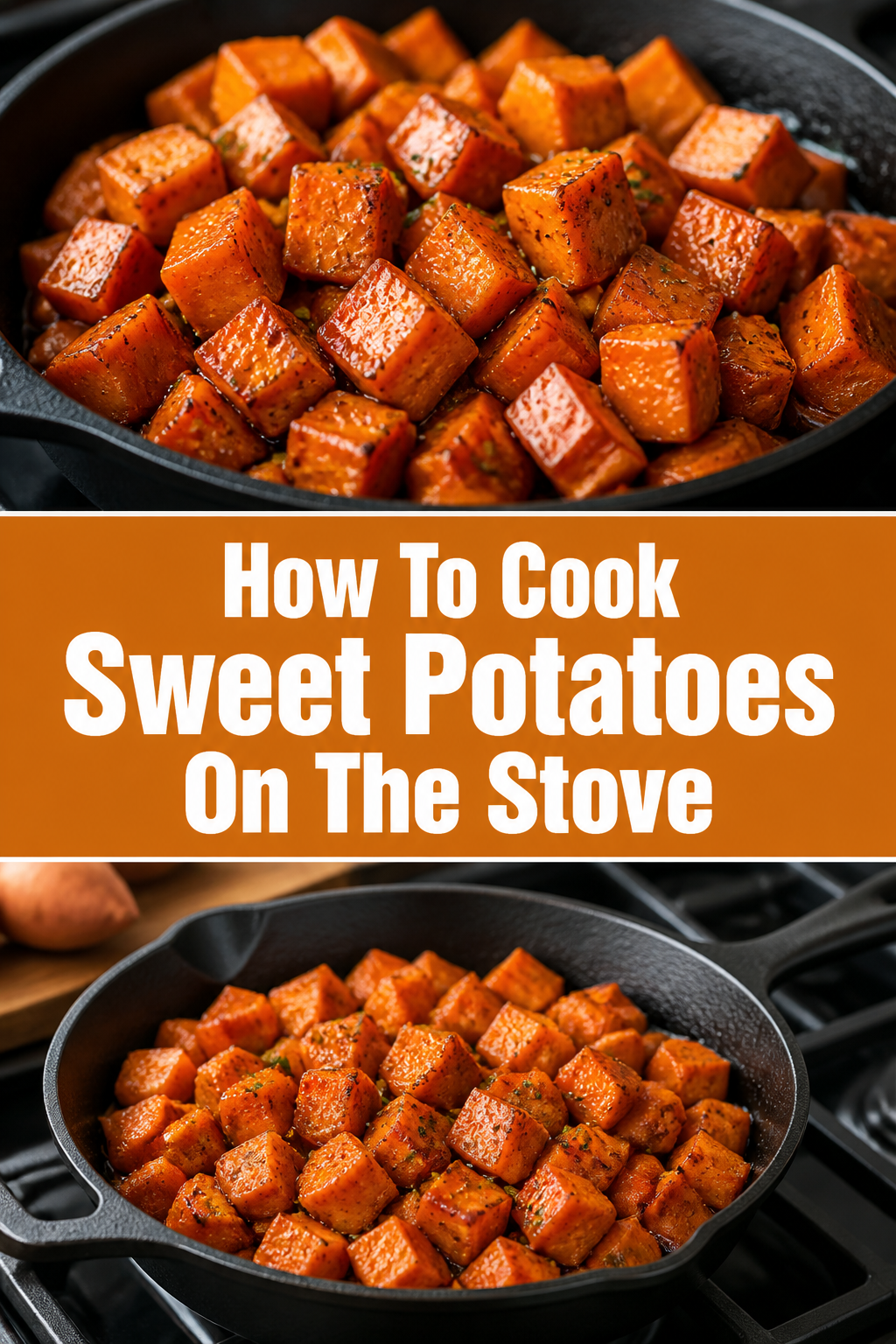
🍠 How To Cook Sweet Potatoes On The Stove
Sweet potatoes are a true kitchen hero.
Their versatility and nutritional punch make them a fantastic addition to any meal, from breakfast to dinner.
I’ve cooked countless batches of these vibrant tubers, discovering the best ways to bring out their natural sweetness and tender texture right on the stovetop.
Quick Overview
This guide will walk you through preparing perfectly cooked sweet potatoes using simple stovetop methods.
You’ll learn how to achieve tender, flavorful sweet potatoes, ready for mashing, dicing, or pureeing.
We’ll cover everything from selection to serving, ensuring your sweet potatoes are a delicious success.
- Time needed: 25-40 minutes (depending on size and method)
- Difficulty: Beginner
- What you’ll need: Sweet potatoes, a pot, a sharp knife, cutting board, water, salt.
Step-by-Step Instructions
Step 1: Choose Your Sweet Potatoes
Select sweet potatoes that are firm and free of soft spots, blemishes, or sprouts.
Look for ones with smooth skin and a vibrant orange or purple hue, indicating freshness and good quality.
Medium-sized sweet potatoes often cook more evenly than very large ones.
Step 2: Gather Your Tools and Ingredients
Collect a large pot with a lid, a sharp chef’s knife, and a sturdy cutting board.
You will also need cold water, a pinch of salt, and a vegetable peeler if you plan to peel them.
Having everything ready before you start makes the cooking process much smoother.
Step 3: Wash and Prepare the Sweet Potatoes
Rinse each sweet potato thoroughly under cool running water.
Use a vegetable brush to gently scrub away any dirt or debris from the skin.
This ensures they are clean, whether you choose to peel them or not.
Pro Tip: Keeping the skin on adds extra fiber and nutrients, plus a rustic texture. If you prefer a smoother texture, peeling is the way to go.
Step 4: Decide on Peeling (Optional)
Peel the sweet potatoes if your recipe calls for it or if you prefer a smoother texture.
A swivel peeler works quickly and efficiently, removing just the thin outer layer.
If you’re not peeling, proceed directly to the next step.
Step 5: Dice or Slice the Sweet Potatoes
Cut the sweet potatoes into uniform pieces.
For boiling, a 1-inch dice is ideal, ensuring even cooking and a relatively quick cooking time.
If you’re steaming, you might opt for slightly larger chunks or even thin rounds.
Uniformity is key for consistent doneness.
Step 6: Place in Pot and Add Water
Transfer the diced or sliced sweet potatoes into your large pot.
Pour in enough cold water to cover the sweet potatoes by about one inch.
Starting with cold water helps the sweet potatoes cook more evenly as the water heats up gradually.
Step 7: Season and Bring to a Boil
Add a generous pinch of salt to the water.
Salt enhances the flavor of the sweet potatoes as they cook.
Place the pot over high heat and bring the water to a rolling boil.
Step 8: Reduce Heat and Simmer
Once the water is vigorously boiling, reduce the heat to medium-low.
The water should maintain a gentle simmer, not a rapid boil.
Cover the pot with its lid to trap the steam and ensure even cooking.
Step 9: Cook Until Tender
Simmer the sweet potatoes for 15-20 minutes, or until they are fork-tender.
You can test for doneness by piercing a piece with a fork; it should slide in easily with no resistance.
Cooking time will vary based on the size of your sweet potato pieces.
Pro Tip: Don’t overcook them, or they’ll become mushy and waterlogged. Aim for tender, not disintegrating.
Step 10: Drain and Serve
Carefully drain the cooked sweet potatoes using a colander.
Allow them to sit in the colander for a minute or two, letting any excess water steam off.
Now they are ready to be mashed, seasoned, or incorporated into your favorite recipe.
Common Mistakes to Avoid
Boiling from Hot Water
Starting your sweet potatoes in already hot or boiling water is a common oversight.
This causes the outside to cook much faster than the inside, resulting in unevenly cooked pieces.
Always begin with cold water to ensure the sweet potatoes cook through uniformly from the core to the surface.
Unevenly Sized Pieces
Cutting sweet potatoes into different sizes leads to some pieces being overcooked and mushy while others remain hard.
Take the time to dice or slice all your sweet potato pieces as close to the same size as possible.
This simple step guarantees consistent texture throughout your dish.
Overcrowding the Pot
Packing too many sweet potatoes into a small pot can lead to uneven cooking and longer cooking times.
The water won’t circulate properly, and the temperature will drop significantly.
Use a pot large enough to comfortably hold your sweet potatoes with ample room for water to cover them.
Skipping the Salt
Forgetting to add salt to the cooking water is a missed opportunity for flavor.
Sweet potatoes cooked in unsalted water can taste bland and require more seasoning later.
A generous pinch of salt in the water seasons the sweet potatoes from the inside out, enhancing their natural sweetness.
Troubleshooting
Sweet Potatoes Are Still Hard After Cooking Time
If your sweet potatoes are still firm after the recommended cooking time, they likely need more time.
This can happen if your pieces are larger than anticipated or if your simmer was too gentle.
Return the pot to the stove, ensure a consistent simmer, and continue cooking for another 5-10 minutes, checking frequently.
Sweet Potatoes Are Mushy and Waterlogged
Mushy sweet potatoes are usually a sign of overcooking or boiling too vigorously.
They might have absorbed too much water, leading to a bland, disintegrated texture.
Next time, reduce the cooking time slightly, maintain a gentle simmer, and test for doneness as soon as they are fork-tender.
Lack of Flavor
If your cooked sweet potatoes taste flat, it’s often due to insufficient seasoning during cooking.
The cooking water should be salted to infuse flavor into the potatoes.
For future batches, ensure you add a good pinch of salt to the cold water before bringing it to a boil.
Key Takeaways
- Always start sweet potatoes in cold, salted water for even cooking and enhanced flavor.
- Cut sweet potatoes into uniform pieces to ensure they cook at the same rate.
- Cook sweet potatoes until they are just fork-tender, avoiding overcooking to prevent mushiness.
- Peeling is optional and depends on your desired texture and the recipe’s requirements.
- A gentle simmer with a lid on the pot helps cook sweet potatoes thoroughly and efficiently.
- Proper draining after cooking is crucial to prevent waterlogged results.
Frequently Asked Questions
Can I cook sweet potatoes without peeling them?
Absolutely, you can cook sweet potatoes with their skin on.
The skin is edible and contains extra fiber and nutrients.
Just be sure to scrub them very well before cutting and cooking.
What’s the best way to store leftover cooked sweet potatoes?
Store cooked sweet potatoes in an airtight container in the refrigerator.
They will keep well for 3-5 days.
They can be reheated gently on the stovetop, in the microwave, or baked.
Can I use this method for other root vegetables?
Yes, this stovetop boiling method is versatile for many root vegetables.
Carrots, regular potatoes, parsnips, and turnips can all be cooked similarly.
Adjust the cooking time based on the density and size of the vegetable pieces.
How can I add more flavor to my sweet potatoes?
After draining, you can add butter, a splash of milk or cream, and seasonings like cinnamon, nutmeg, or a touch of maple syrup for a sweeter profile.
For a savory twist, try garlic powder, paprika, or a sprinkle of fresh herbs.
Mashing them with roasted garlic or a dollop of sour cream also works wonders.
Our Top Recommended Finds
- Quality Chef’s Knife: A sharp, well-balanced knife makes dicing sweet potatoes safe and effortless.
- Large Stainless Steel Pot with Lid: Essential for boiling or steaming, look for one with a heavy bottom for even heat distribution.
- Vegetable Peeler: A comfortable, sharp swivel peeler makes quick work of removing skins, if desired.
Embrace Your Sweet Potato Journey
Mastering sweet potatoes on the stove opens up a world of culinary possibilities.
From simple side dishes to foundational ingredients for complex meals, they are incredibly adaptable.
Now that you have the knowledge and confidence, it’s time to put these steps into practice.
Experiment with different seasonings and enjoy the wholesome goodness of perfectly cooked sweet potatoes today!