🍠 How To Cook Sweet Potatoes In The Oven
There’s a special kind of comfort that comes from a perfectly roasted sweet potato.
I’ve baked countless batches over the years, experimenting with temperatures, seasonings, and cuts to find the absolute best way to achieve that tender, caramelized perfection.
This guide distills all that hands-on experience, making it simple for you to master oven-baked sweet potatoes every time.

Quick Overview
You’re about to learn how to transform humble sweet potatoes into a delectable side dish or a versatile meal component with minimal fuss and maximum flavor.
- Time needed: 45-60 minutes (including prep)
- Difficulty: Beginner
- What you’ll need: Sweet potatoes, olive oil, salt, pepper, baking sheet, parchment paper or foil, mixing bowl, knife, cutting board.
Step-by-Step Instructions
Step 1: Choose and Prepare Your Sweet Potatoes
Select sweet potatoes that are firm to the touch and free from soft spots, blemishes, or sprouts. Look for ones with smooth, vibrant skin.
Wash each sweet potato thoroughly under cool running water. Use a stiff vegetable brush to scrub away any dirt or debris clinging to the skin.
Pat the washed potatoes completely dry with a clean kitchen towel. Ensuring they are dry helps them crisp up in the oven.
Pro Tip: Opt for sweet potatoes that are roughly similar in size. This helps them cook evenly, preventing some from being overdone while others are still hard.
Step 2: Preheat Your Oven and Prep Baking Sheet
Preheat your oven to 400°F (200°C). This temperature is ideal for achieving tender interiors and slightly crispy exteriors.
Line a large baking sheet with parchment paper or aluminum foil. This prevents sticking and makes cleanup significantly easier.
If using foil, consider lightly greasing it with a tiny bit of olive oil or non-stick spray, especially if your potatoes are cut smaller.
Step 3: Cut the Sweet Potatoes
You have a few options for cutting, depending on your preference and desired cook time.
For wedges, slice each sweet potato lengthwise, then cut each half into 2-3 wedges. Aim for pieces about 1/2 to 3/4 inch thick at their widest point.
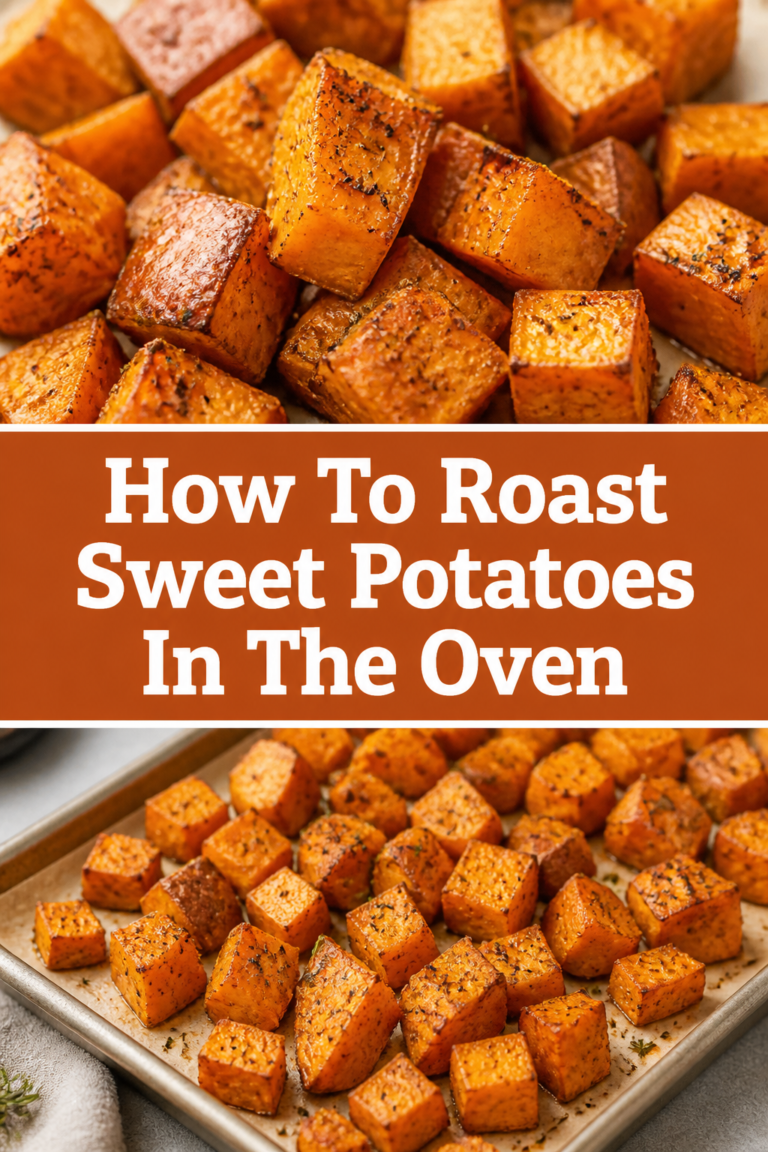
For cubes, peel (optional, but recommended for cubes) and then dice the sweet potatoes into 1/2 to 1-inch pieces. Cubes cook faster and are great for salads.
If you prefer whole baked sweet potatoes, you can simply pierce the skin several times with a fork. This allows steam to escape and prevents them from bursting.
Step 4: Season Your Sweet Potatoes
Place the cut sweet potatoes into a large mixing bowl. Avoid overcrowding the bowl, as this makes seasoning difficult.
Drizzle 1-2 tablespoons of olive oil over the sweet potatoes. The oil helps conduct heat, promotes browning, and allows seasonings to adhere.
Sprinkle generously with salt and freshly ground black pepper. These are your foundational seasonings.
Toss everything together thoroughly with your hands or a large spoon. Ensure every piece is lightly coated with oil and seasoning.
Pro Tip: For extra flavor, consider adding a pinch of garlic powder, paprika, or a dash of cinnamon for a sweeter profile. Experiment to find your favorite blend.
Step 5: Arrange on the Baking Sheet
Spread the seasoned sweet potato pieces in a single layer on your prepared baking sheet. It’s crucial not to overcrowd the pan.
Give each piece a little space. If they’re too close together, they will steam instead of roast, leading to soggy results.
If you have a lot of sweet potatoes, use two baking sheets. Air circulation is key for achieving that desirable crispiness.
Step 6: Roast Until Tender and Caramelized
Place the baking sheet in your preheated oven. For whole sweet potatoes, they can go directly on the oven rack.
Roast for 20-30 minutes for cubes or wedges, and 45-60 minutes for whole sweet potatoes. Cooking times vary based on size and oven calibration.
Halfway through the cooking time (around 10-15 minutes for cuts, 25-30 minutes for whole), flip the sweet potatoes using a spatula.
This ensures even browning and tenderness on all sides. Continue roasting until they are fork-tender inside and beautifully caramelized on the outside.
Step 7: Check for Doneness and Serve
To check for doneness, pierce a sweet potato piece with a fork or the tip of a sharp knife. It should slide in easily with little resistance.
The edges of the cut pieces should appear slightly browned and crispy. Whole sweet potatoes will feel soft when squeezed gently.
Remove the baking sheet from the oven. Let them cool for a few minutes before serving.
Serve immediately as a delicious side dish, or incorporate them into salads, grain bowls, or as a base for various meals. Enjoy your perfectly cooked sweet potatoes!
Common Mistakes to Avoid
Overcrowding the Baking Sheet
This is perhaps the most common error when roasting vegetables. When sweet potato pieces are packed too tightly on the baking sheet, they release moisture that gets trapped, creating steam.
Instead of roasting and caramelizing, the sweet potatoes end up steaming in their own juices. This results in soft, pale, and often mushy textures rather than the desired crispy edges and tender interiors. Always ensure sufficient space between each piece.
Not Drying the Sweet Potatoes Properly
Even a little surface moisture on your sweet potatoes can hinder the browning process. Water on the surface needs to evaporate before the Maillard reaction (which causes browning and flavor development) can occur.
If the potatoes are wet, they will steam initially, prolonging the cooking time and preventing crispiness. Always pat them thoroughly dry with a towel after washing.
Using Too Low an Oven Temperature
While a lower temperature might seem gentler, it won’t achieve the necessary browning and caramelization for roasted sweet potatoes. Too low a heat will simply bake them, leading to a softer, less flavorful result.
A temperature of 400°F (200°C) is generally ideal. This high heat ensures the exterior crisps up nicely while the interior becomes soft and sweet in a reasonable amount of time.
Forgetting to Flip or Stir
Leaving sweet potatoes untouched throughout the entire roasting process often leads to uneven cooking. The side touching the hot pan will brown and crisp, while the top remains pale and potentially less tender.
To ensure even cooking and beautiful caramelization on all sides, make sure to flip or stir your sweet potato pieces at least once, about halfway through the cooking time. This exposes all surfaces to the direct heat of the pan and oven.
Troubleshooting
Sweet Potatoes are Soggy, Not Crispy
If your sweet potatoes come out soft and watery rather than crispy, it’s usually due to too much moisture or insufficient heat. The most likely culprit is overcrowding the baking sheet, which causes them to steam.
Ensure you spread the pieces in a single layer with space between them. Also, double-check that your oven is preheated to the correct temperature (400°F/200°C) and that the potatoes were patted dry before oiling and seasoning.
Potatoes are Burnt on the Outside, Raw in the Middle
This issue often points to an oven that’s too hot or pieces that are cut inconsistently. If your oven runs hot, the exterior will cook much faster than the interior.
Try reducing the oven temperature by 25°F (about 15°C) next time. Also, ensure all your sweet potato pieces are roughly the same size. Larger pieces need more time to cook through, while smaller ones will burn more quickly.
Uneven Browning
Uneven browning can occur if you’re not flipping or stirring the sweet potatoes during cooking, or if your oven has hot spots. Make sure to flip or stir the pieces halfway through the roasting time to expose all sides to the direct heat of the pan.
If your oven consistently browns unevenly, try rotating the baking sheet 180 degrees when you flip the potatoes. This helps ensure more consistent heat exposure across the entire pan.
Key Takeaways
- Always choose firm sweet potatoes and wash them thoroughly, patting them completely dry to encourage crisping.
- Preheat your oven to 400°F (200°C) and line your baking sheet to prevent sticking and aid cleanup.
- Cut sweet potatoes into uniform pieces, whether wedges, cubes, or whole, for even cooking.
- Season generously with olive oil, salt, and pepper, ensuring every piece is coated before roasting.
- Spread sweet potatoes in a single layer on the baking sheet, leaving space between pieces to promote roasting, not steaming.
- Flip or stir halfway through cooking to achieve consistent browning and tenderness on all sides.
Frequently Asked Questions
Should I peel sweet potatoes before roasting?
Peeling sweet potatoes before roasting is entirely optional. The skin is thin, edible, and provides extra fiber and nutrients. Many people prefer to leave it on for added texture and a rustic look, especially for wedges or larger cuts. For smaller cubes, some find peeling more convenient.
Can I use other oils instead of olive oil?
Yes, you can certainly use other oils. Avocado oil, grapeseed oil, or canola oil are all excellent choices for roasting sweet potatoes. These oils have a high smoke point, which is important for high-temperature cooking like roasting, and they impart a neutral flavor that allows the sweet potato to shine.
How do I store leftover roasted sweet potatoes?
Leftover roasted sweet potatoes should be stored in an airtight container in the refrigerator. They will keep well for 3-5 days. To reheat, you can warm them in the microwave, or for best results (to regain some crispiness), spread them on a baking sheet and reheat in a preheated oven at 350°F (175°C) until warmed through.
Can I add sugar or maple syrup for extra sweetness?
While sweet potatoes are naturally sweet, you can enhance their flavor with a touch of added sweetness. Drizzle a small amount of maple syrup or a sprinkle of brown sugar over the potatoes during the last 10-15 minutes of roasting. Be mindful that sugars can burn quickly, so keep an eye on them.
Our Top Recommended Finds
- Quality Baking Sheets: A sturdy, light-colored baking sheet promotes even heat distribution and prevents burning. Look for heavy-gauge aluminum sheets.
- Parchment Paper Rolls: Essential for non-stick cooking and easy cleanup. Pre-cut sheets are a convenient option.
- Vegetable Brush: A good brush makes scrubbing sweet potatoes (and other root vegetables) a quick and simple task.
Embrace Your Inner Sweet Potato Chef
You now have all the knowledge and practical steps to create incredible oven-roasted sweet potatoes. This simple technique opens up a world of possibilities for delicious, healthy meals.
Don’t wait to try it. Gather your ingredients this week and experience the joy of perfectly tender, caramelized sweet potatoes right from your own oven.
Once you’ve mastered this basic recipe, consider exploring different spice blends or even turning them into a base for loaded sweet potato bowls. The culinary adventure has just begun!