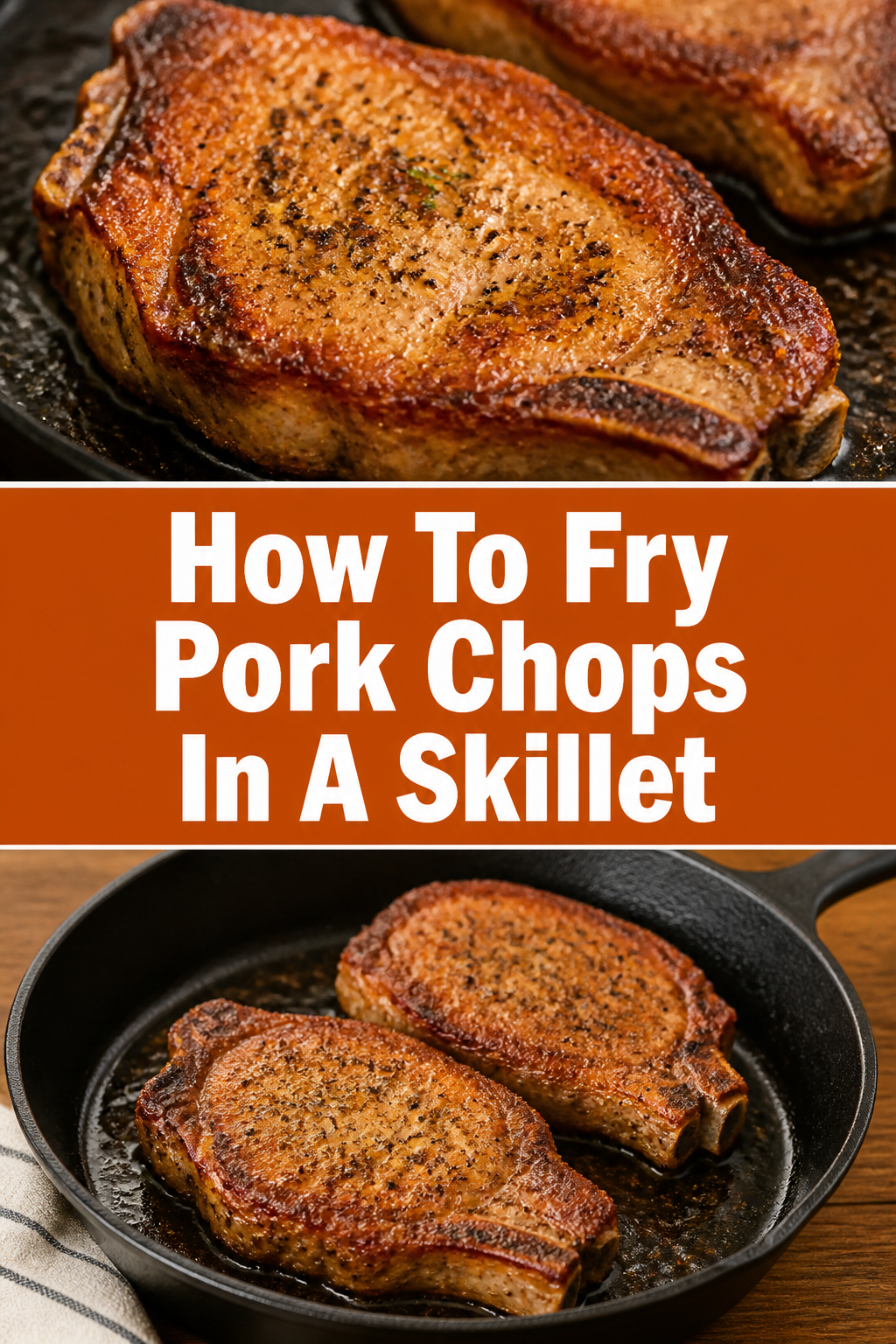
🍳 How To Fry Pork Chops In A Skillet
Frying pork chops in a skillet is a culinary skill every home cook should master. It’s a simple technique that yields incredibly tender, juicy, and flavorful results. I’ve perfected this method over countless weeknight dinners, always aiming for that golden-brown crust and perfectly cooked interior.
This guide shares all my insights, ensuring your pork chops turn out restaurant-quality every time. You’ll learn the secrets to preventing dryness and achieving maximum flavor. Get ready to transform humble pork chops into a star dish.
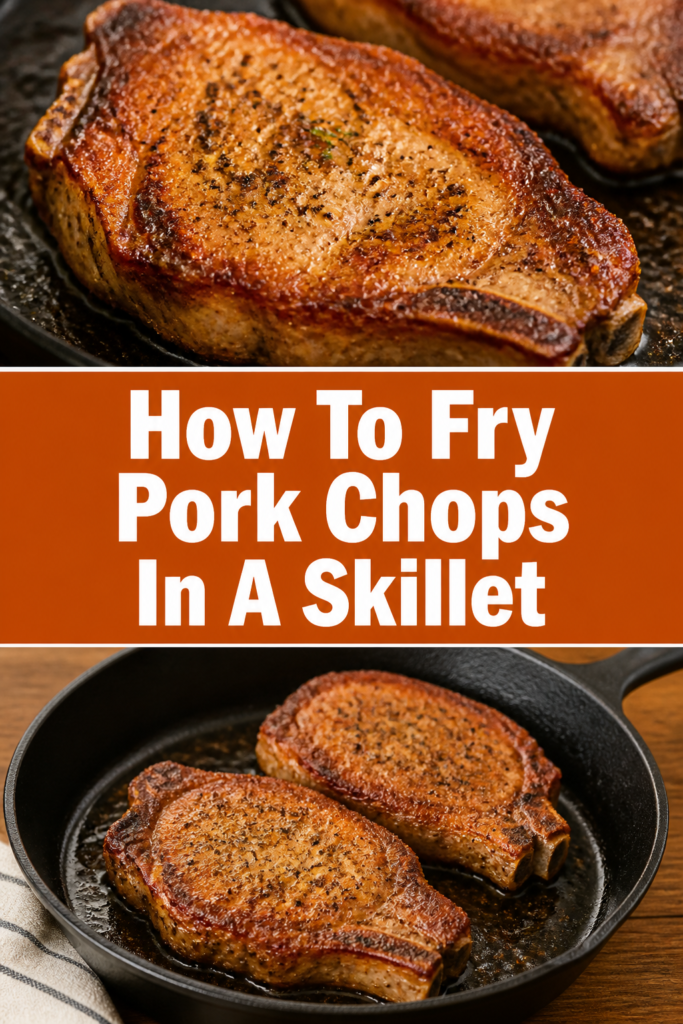
Quick Overview
Frying pork chops in a skillet is about achieving a beautiful sear and a tender, juicy interior. You’ll learn how to select the right chops, season them perfectly, and manage your heat for optimal results. This method guarantees a delicious meal without fuss.
- Time needed: 25-35 minutes (prep + cook + rest)
- Difficulty: Beginner
- What you’ll need: Pork chops, skillet, cooking oil, seasonings, tongs, meat thermometer
Step-by-Step Instructions
Step 1: Choose Your Chops Wisely
Selecting the right pork chops is the first step to a delicious meal. Look for chops that are at least 1-inch thick. Thicker chops are much more forgiving and less likely to dry out during cooking.
Bone-in chops often offer more flavor and moisture. The bone helps insulate the meat, preventing it from overcooking too quickly. However, boneless chops are perfectly fine if that’s what you prefer or have on hand.
Aim for chops with a good amount of marbling and a visible fat cap. This fat renders down, adding incredible flavor and keeping the meat moist. If the fat cap is very thick, you can trim it slightly, but leave some for taste.
Step 2: Bring Chops to Room Temperature and Pat Dry
Remove your pork chops from the refrigerator about 15-20 minutes before you plan to cook them. Allowing them to come closer to room temperature promotes more even cooking. This prevents the outside from burning before the inside is done.
Next, and this is crucial, thoroughly pat the pork chops dry with paper towels. Any surface moisture will prevent a good sear. A dry surface allows the meat to brown beautifully, creating that desirable crust.
Step 3: Season Generously
Seasoning is where you build the flavor foundation for your pork chops. Don’t be shy with your seasonings. A good amount of salt and freshly ground black pepper is essential.
You can also add other spices to complement your meal. Garlic powder, onion powder, paprika, or a pre-made pork rub all work wonderfully. Make sure to coat both sides of each chop evenly.
Rub the seasonings into the meat gently to ensure they adhere well. This creates a flavorful crust that enhances every bite.
Pro Tip: For an extra layer of flavor, consider brining your pork chops for 30 minutes to an hour before cooking. A simple brine of water, salt, and a touch of sugar can significantly improve juiciness and flavor. Remember to rinse and thoroughly pat dry after brining.
Step 4: Prepare Your Skillet and Oil
Choose a heavy-bottomed skillet for frying pork chops. Cast iron or stainless steel skillets are excellent choices as they retain heat well and distribute it evenly. This is key for a consistent sear.
Place your skillet over medium-high heat. Add a high smoke point cooking oil, such as canola oil, grapeseed oil, or vegetable oil. You’ll need enough oil to lightly coat the bottom of the pan, typically 1-2 tablespoons.
Wait for the oil to shimmer before adding the chops. A shimmering oil indicates it’s hot enough to create an instant sear. If it starts smoking heavily, it’s too hot; reduce the heat slightly.
Step 5: Sear the Pork Chops
Carefully place the seasoned pork chops into the hot skillet. Lay them away from you to avoid splashing hot oil. Ensure you don’t overcrowd the pan. If you have too many chops, cook them in batches. Overcrowding lowers the pan temperature, leading to steaming instead of searing.
Listen for that satisfying sizzle when the chops hit the hot pan. This is the sound of a good crust forming. Let the chops sear undisturbed for 3-5 minutes on the first side.
Resist the urge to move or flip them too early. A proper sear requires direct, uninterrupted contact with the hot pan. You want a deep golden-brown crust to develop.
Step 6: Flip and Continue Cooking
Once the first side has a beautiful golden-brown crust, use tongs to carefully flip each pork chop. You’ll see a distinct color change and a crisp texture. The chops should easily release from the pan when they are properly seared.
Reduce the heat to medium-low or medium after flipping. This allows the chops to cook through without burning the exterior. Continue cooking for another 3-5 minutes on the second side.
For bone-in chops, you might need to stand them on their sides to cook the edges where the bone is thicker. This ensures even cooking throughout.
Step 7: Check for Doneness
The most reliable way to determine if your pork chops are done is by using an instant-read meat thermometer. Insert the thermometer into the thickest part of the chop, avoiding the bone. The internal temperature should reach 145°F (63°C).
The chops will continue to cook slightly after being removed from the heat. This is called carryover cooking. Reaching 145°F (63°C) ensures they are safe to eat and perfectly juicy. Do not overcook them, as this is the primary cause of dry pork chops.
If the chops are not yet at 145°F, continue cooking, flipping occasionally, until they reach the target temperature. This might take a few extra minutes depending on thickness and initial temperature.
Step 8: Rest Your Chops
Once the pork chops reach 145°F (63°C), immediately remove them from the skillet. Transfer them to a clean plate or cutting board. Tent them loosely with aluminum foil.
Allow the chops to rest for at least 5-10 minutes. This resting period is absolutely critical for juicy pork. During cooking, the muscle fibers contract, pushing juices to the center. Resting allows these juices to redistribute throughout the meat.
Cutting into the chops too soon will cause all those precious juices to run out, leaving you with dry meat. Patience here is rewarded with incredibly tender and moist results.
Step 9: Serve and Enjoy
After resting, your perfectly fried pork chops are ready to be served. Carve them if desired, or serve them whole. They pair wonderfully with a variety of side dishes.
Consider serving them with mashed potatoes, roasted vegetables, a fresh green salad, or applesauce. The simplicity of the fried chop allows it to complement many flavors. Enjoy the fruits of your labor!
Common Mistakes to Avoid
Overcooking the Chops
The most common mistake when frying pork chops is overcooking them. Pork used to be cooked to very high temperatures, but modern guidelines recommend 145°F (63°C) for a reason. Cooking past this temperature will dry out the meat, making it tough and unappetizing. Always use a meat thermometer to ensure perfect doneness.
Not Patting the Chops Dry
Placing moist pork chops into a hot skillet prevents a good sear from forming. The moisture creates steam, which essentially boils the outside of the chop instead of browning it. Always take the time to thoroughly pat your pork chops dry with paper towels before seasoning and cooking. This simple step makes a huge difference in texture and flavor.
Overcrowding the Skillet
When too many pork chops are placed in the skillet at once, the pan’s temperature drops significantly. This prevents the chops from searing properly. Instead of getting a beautiful crust, they end up steaming in their own juices. Cook your chops in batches if necessary, ensuring there’s enough space between each piece for proper browning.
Flipping Too Frequently
Constantly flipping the pork chops prevents a golden-brown crust from forming. Each side needs uninterrupted contact with the hot pan to develop that desirable sear. Resist the urge to poke or move the chops until they are ready to be flipped. A good sear takes patience and usually 3-5 minutes per side.
Troubleshooting
Pork Chops Sticking to the Skillet
If your pork chops are sticking, your pan might not have been hot enough when you added them, or you might not have used enough oil. Ensure the oil is shimmering before adding the chops. Also, a good sear will naturally release the chop from the pan. If it’s sticking, it likely hasn’t developed a crust yet. Give it more time before trying to flip. Using a well-seasoned cast iron skillet or a non-stick pan can also help.
Chops Cooking Unevenly
Uneven cooking often results from chops not being at room temperature before cooking, or from an uneven heat distribution in your pan. Make sure to let chops sit out for 15-20 minutes before cooking. If your pan has hot spots, rotate the chops occasionally. Using a heavy-bottomed skillet, like cast iron, helps distribute heat more evenly for consistent results.
Pork Chops Are Dry and Tough
Dry and tough pork chops are almost always a sign of overcooking. The internal temperature likely exceeded 145°F (63°C). Make sure to use an instant-read meat thermometer and remove the chops from the heat as soon as they reach the target temperature. Additionally, not resting the chops can lead to dryness, as the juices escape when cut. Always allow a 5-10 minute rest period.
Key Takeaways
- Always choose pork chops that are at least 1-inch thick for best results.
- Pat your pork chops completely dry before seasoning to ensure a proper sear.
- Season generously with salt, pepper, and your preferred spices for maximum flavor.
- Heat your skillet and oil until shimmering before adding the chops to achieve a good crust.
- Cook pork chops to an internal temperature of 145°F (63°C) to keep them juicy.
- Rest your cooked pork chops for 5-10 minutes under foil to allow juices to redistribute.
Frequently Asked Questions
Should I use bone-in or boneless pork chops?
Both bone-in and boneless pork chops can be fried successfully. Bone-in chops often provide more flavor and tend to stay juicier due to the bone’s insulating properties. Boneless chops cook slightly faster and are easier to eat. The choice often comes down to personal preference and what’s available.
What kind of oil is best for frying pork chops?
For frying pork chops, use a cooking oil with a high smoke point. Good options include canola oil, grapeseed oil, vegetable oil, or refined avocado oil. These oils can withstand the high heat needed for searing without burning or imparting off-flavors. Avoid olive oil, as its lower smoke point is not ideal for this method.
How do I know if my pork chops are properly seasoned?
Proper seasoning is a matter of taste, but generally, pork chops benefit from a generous hand. You should see a visible layer of salt and pepper (and any other spices) on both sides of the chop. If you’re unsure, you can always taste a tiny bit of your rub before applying it. A good rule of thumb is that it should look like enough to create a crust.
What is the safe internal temperature for pork chops?
The safe internal temperature for whole cuts of pork, including pork chops, is 145°F (63°C). This temperature ensures the pork is safe to eat while remaining tender and juicy. After reaching 145°F, it’s recommended to allow the meat to rest for at least three minutes before carving or consuming.
Our Top Recommended Finds
- Cast Iron Skillet: Essential for even heat distribution and a superb sear. A well-seasoned cast iron pan becomes naturally non-stick over time.
- Instant-Read Meat Thermometer: The single most important tool for perfectly cooked, juicy pork chops every time. It eliminates guesswork and prevents overcooking.
- Sturdy Tongs: Crucial for safely flipping hot pork chops and handling them in the skillet without piercing the meat. Look for tongs with silicone tips to protect your pan.
Mastering Your Skillet Chops
You now possess all the knowledge needed to fry perfect pork chops in a skillet. This isn’t just a recipe; it’s a foundation for countless delicious meals. The satisfaction of pulling a golden, juicy chop from the pan is unmatched.
Don’t let another weeknight pass with bland, dry pork. Take these steps, gather your ingredients, and transform your dinner tonight. Your family and your taste buds will thank you. Why not try this technique with different seasonings or a quick pan sauce next time? The possibilities are endless once you’ve mastered the basics.