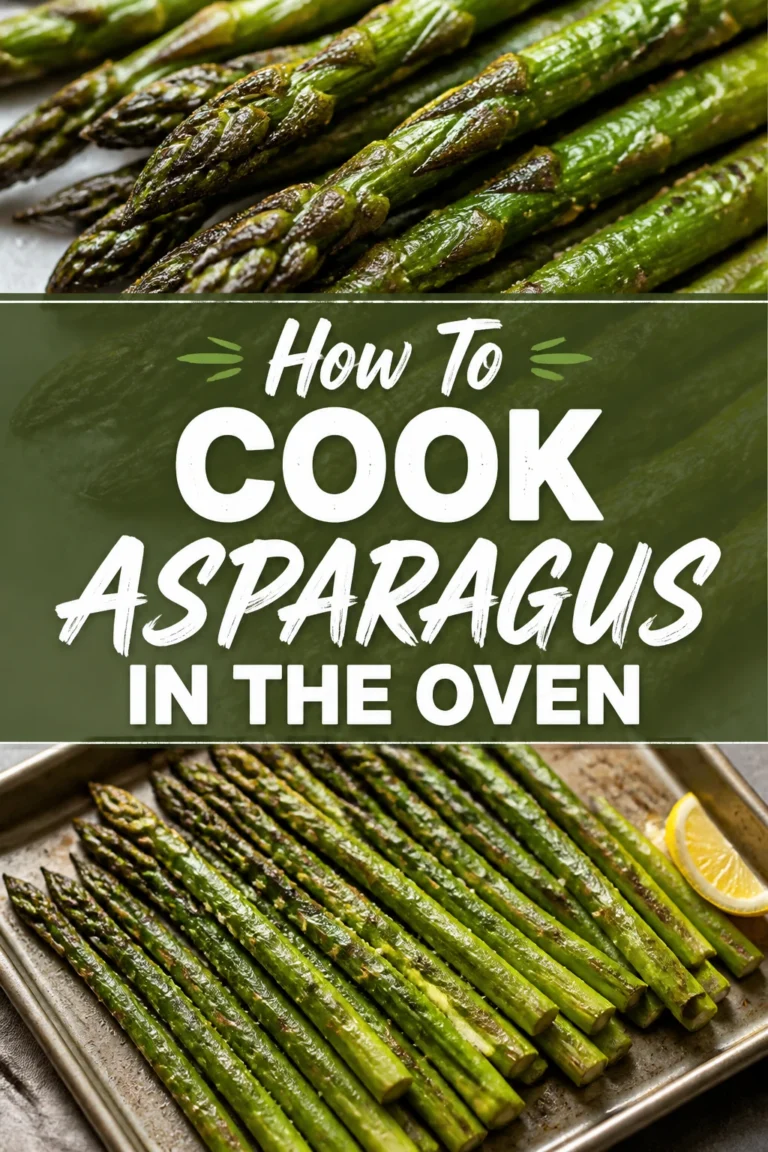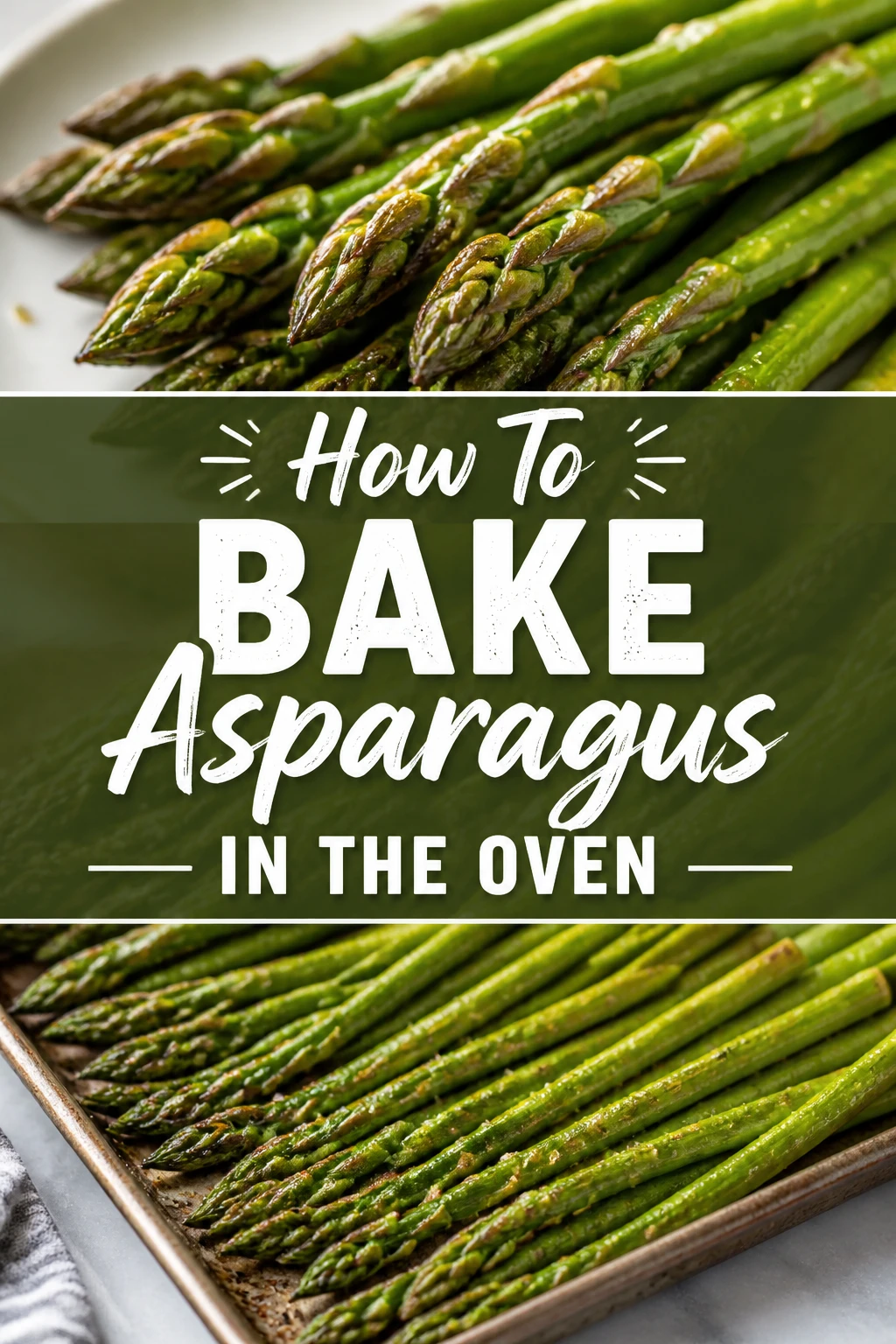
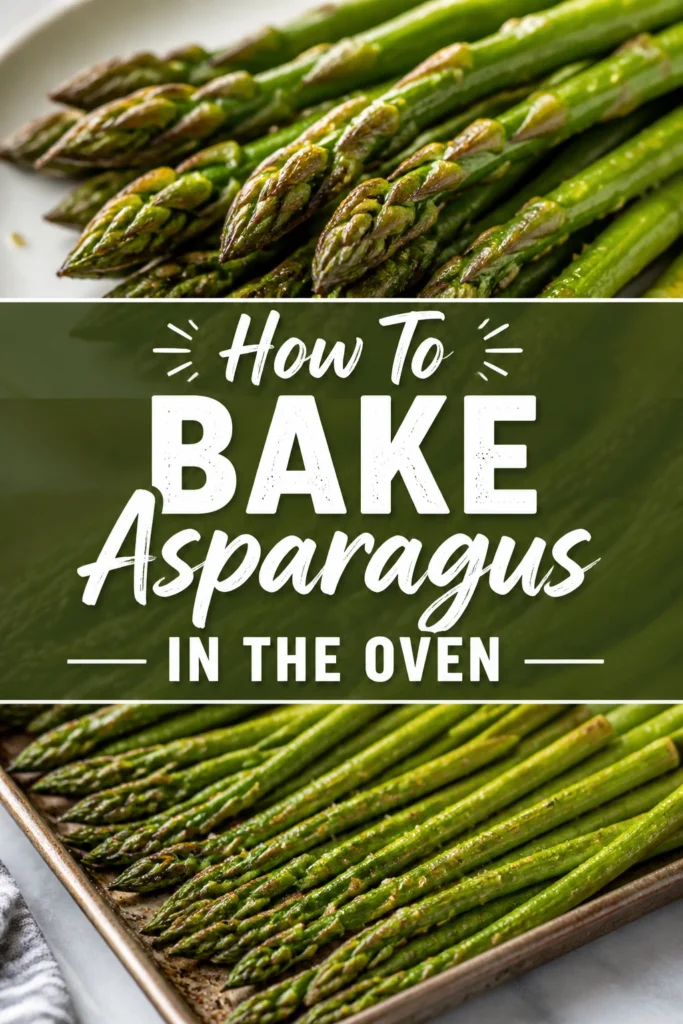
🥦 How To Bake Asparagus In The Oven
I have spent over a decade in professional kitchens learning that the simplest vegetables often require the most care.
Baking asparagus seems straightforward, but a few small tweaks can turn a soggy side dish into a restaurant-quality masterpiece.
This guide comes from years of trial and error to help you achieve that perfect balance of tender stalks and crispy tips every single time.
Quick Overview
You are about to master the art of high-heat roasting to bring out the natural sugars in your vegetables.
- Time needed: 20 minutes
- Difficulty: Beginner
- What you’ll need: Fresh asparagus, olive oil, salt, pepper, and a large rimmed baking sheet.
Step 1: Select The Best Asparagus
Start by looking for bundles with tightly closed, compact tips that aren’t mushy or wet.
The stalks should be firm to the touch and stand up straight rather than drooping or feeling rubbery.
Check the bottom of the stalks to ensure they aren’t overly dried out or woody, though you will be trimming those anyway.
Color is another key indicator of freshness, so aim for a vibrant green or a deep purple rather than a faded, yellowish hue.
Thickness is a matter of preference, but thinner spears cook faster and offer more crunch, while thicker spears stay juicier in the middle.
Pro Tip: Try to choose a bundle where all the spears are roughly the same thickness so they cook at exactly the same rate in the oven.
Step 2: Wash And Dry Thoroughly
Rinse your asparagus under cold running water to remove any grit or sand trapped in the delicate tips.
Hold the bundle upside down and let the water run through the buds, as this is where most debris hides.
Once clean, lay the spears out on a clean kitchen towel or a layer of paper towels.
Pat them dry with another towel until there is no visible moisture left on the surface of the vegetable.
Moisture is the enemy of roasting because it creates steam in the hot oven, leading to a limp and soggy texture.
If you have time, let them air dry for an extra five minutes after patting them down to ensure a crisp finish.
Step 3: Trim The Woody Ends
Identify the point where the tender green stalk turns into a tough, fibrous, and pale white base.
You can use the “snap test” by grabbing a spear at both ends and bending it until it breaks naturally at its weakest point.
While the snap test is fun, it often wastes a good portion of the edible stalk if you aren’t careful.
Line up the entire bundle on a cutting board and use a sharp chef’s knife to slice off the bottom inch or two in one clean motion.
This creates a uniform look and ensures that every bite on the plate is easy to chew and swallow.
Discard the woody ends or save them in a freezer bag to add flavor to your next homemade vegetable stock.
Pro Tip: If you have very thick asparagus, use a vegetable peeler to shave off the outer skin of the bottom half of the stalk for an extra tender result.
Step 4: Preheat Your Oven Properly
Set your oven to 400°F (200°C) and allow it to fully reach that temperature before you even think about putting the tray inside.
High heat is necessary to caramelize the outside of the asparagus before the inside becomes overcooked and mushy.
If your oven has a convection setting, you can use it to circulate the air, but you may need to drop the temperature to 375°F.
Place your baking sheet inside the oven while it preheats if you want to give the vegetables an immediate sear the moment they touch the metal.
A hot pan helps prevent sticking and encourages the “Maillard reaction,” which is the chemical process that creates savory, browned flavors.
Step 5: Season With Intention
Place your trimmed and dried asparagus directly on the baking sheet or in a large mixing bowl.
Drizzle about one to two tablespoons of high-quality extra virgin olive oil over the spears.
Use your hands or tongs to toss the asparagus until every single inch of every spear is lightly coated in oil.
Sprinkle a generous pinch of kosher salt and freshly cracked black pepper over the top.
You can also add garlic powder, onion powder, or red pepper flakes at this stage if you want a bit of a kick.
Avoid using fresh garlic at this step because it will likely burn in the high-heat oven before the asparagus is finished.
Pro Tip: Don’t over-oil the spears; they should look shiny but not be sitting in a puddle of fat, which leads to greasiness.
Step 6: Arrange For Airflow
Spread the seasoned asparagus out across the baking sheet in a single, even layer.
Make sure there is a little bit of space between each spear so the hot air can circulate around them entirely.
If the spears are piled on top of each other, they will steam instead of roast, and you will lose that sought-after charred texture.
Use a second baking sheet if you are cooking a large amount rather than trying to cram everything onto one pan.
Position the spears so they are perpendicular to the long side of the pan to make them easier to flip later if needed.
Step 7: Bake To Perfection
Slide the baking sheet onto the middle rack of your preheated oven.
Cook for 10 to 15 minutes, depending on the thickness of your asparagus and how tender you like them.
Thin spears might be done in as little as 8 minutes, while jumbo spears could take up to 18 minutes.
Check the progress halfway through and give the pan a good shake or use tongs to roll the spears over.
You are looking for the tips to be slightly browned and crispy, and the stalks to be easily pierced with a fork.
The asparagus should still have a slight “snap” or bite to it rather than being completely soft and falling apart.
Pro Tip: If you want extra char, turn on the broiler for the last 60 seconds of cooking, but watch it closely so it doesn’t burn.
Step 8: Add The Finishing Touches
Remove the pan from the oven and immediately transfer the asparagus to a serving platter.
Squeeze a fresh lemon wedge over the hot spears to provide a bright, acidic contrast to the earthy, roasted flavor.
The heat from the vegetables will help the lemon juice penetrate the stalks and enhance the natural flavors.
This is also the perfect time to sprinkle on some freshly grated Parmesan cheese or a handful of toasted pine nuts.
A drizzle of balsamic glaze or a sprinkle of fresh herbs like parsley or dill can also elevate the dish to a new level.
Serve immediately while the tips are still crunchy and the centers are warm and succulent.
Common Mistakes to Avoid
Using Wet Asparagus
Many people wash their vegetables and throw them straight onto the pan while they are still dripping.
The water creates a layer of steam that prevents the oil from sticking and stops the browning process.
Always take the extra minute to dry your asparagus with a towel to ensure you get those crispy, charred edges.
Crowding The Baking Sheet
When you put too many spears on one tray, the moisture released during cooking has nowhere to go.
This creates a humid environment on the pan that boils the asparagus instead of roasting it.
Give each spear its own “personal space” to allow the dry heat of the oven to work its magic on the exterior.
Overcooking The Spears
Asparagus goes from perfectly tender to mushy and grey very quickly once it passes the 15-minute mark.
Residual heat will continue to cook the vegetable even after it comes out of the oven.
Pull the tray out when the stalks are just barely tender to ensure they are perfect by the time they hit the dinner table.
Troubleshooting
The Asparagus Is Tough And Stringy
This usually happens if you didn’t trim enough of the woody base off before cooking.
Next time, try peeling the bottom half of the stalks with a vegetable peeler to remove the tough outer skin.
You can also try buying thinner spears, which tend to be less fibrous than the very thick ones.
The Tips Are Burnt But The Stalks Are Raw
This indicates that your oven temperature might be too high or the rack is too close to the top heating element.
Move the baking sheet to the middle or lower-middle rack to provide more even heat distribution.
If the tips are browning too fast, you can lightly tent that end of the pan with a piece of aluminum foil.
The Seasoning Isn’t Sticking
If your salt and pepper are falling off the spears, you likely didn’t use enough oil or the spears were too wet.
The oil acts as a glue for your spices and helps conduct heat into the vegetable.
Toss the asparagus in a bowl with the oil and spices before putting them on the pan to ensure total coverage.
Key Takeaways
- Always dry the spears thoroughly to prevent steaming and ensure a crisp texture.
- Trim or snap off the woody ends to avoid a stringy and unpleasant eating experience.
- Use a high oven temperature of 400°F to caramelize the natural sugars quickly.
- Do not crowd the pan; give the spears room for air to circulate and brown the edges.
- Finish with an acid like lemon juice or balsamic vinegar to brighten the overall flavor profile.
- Monitor the cooking time closely as thin spears cook much faster than thick ones.
Frequently Asked Questions
Can I use frozen asparagus for roasting?
You can roast frozen asparagus, but the texture will never be as crisp as fresh spears because the freezing process breaks down the cell walls.
If you use frozen, do not thaw them first; toss them in oil and salt while frozen and roast them at a slightly higher temperature.
Expect them to be a bit softer, and they may require a few extra minutes in the oven to evaporate the excess moisture.
How long does baked asparagus stay fresh in the fridge?
Leftover roasted asparagus will stay good in an airtight container for about three to four days.
Keep in mind that they will lose their crispness and become softer the longer they sit in the refrigerator.
To reheat, put them back in a hot oven or a toaster oven for a few minutes rather than using the microwave.
What is the best oil for roasting vegetables?
Extra virgin olive oil is the classic choice for its flavor, but avocado oil is also excellent due to its high smoke point.
Avoid using butter as the primary fat for roasting at 400°F because the milk solids will burn before the asparagus is done.
If you love the taste of butter, melt a little bit and drizzle it over the spears after they come out of the oven.
Do I need to flip the asparagus while it bakes?
Flipping isn’t strictly necessary if you have a good quality baking sheet that conducts heat well, but it does help with even browning.
A quick shake of the pan or a roll with tongs halfway through the cooking time is usually enough to ensure all sides get some color.
If you are using a very crowded pan, flipping becomes more important to help the trapped steam escape.
Our Top Recommended Finds
- Heavy-Duty Rimmed Baking Sheet: A thick aluminum pan prevents warping at high temperatures and ensures even heat distribution across all the spears.
- Stainless Steel Vegetable Peeler: This is essential for prepping thick asparagus stalks to remove the tough outer layer without wasting the tender core.
- Microplane Grater: This tool is perfect for showering your hot, baked asparagus with a fine dusting of Parmesan cheese or fresh lemon zest.
Mastering Your Oven Roasted Sides
Now that you know the secrets to perfect oven-baked asparagus, you can experiment with different flavor profiles and pairings.
Try adding sliced almonds during the last five minutes of baking for a nutty crunch, or toss the spears in a bit of soy sauce and ginger for an Asian-inspired twist.
This cooking method works beautifully for other quick-cooking vegetables like green beans, broccolini, and sliced bell peppers as well.
Pick up a fresh bundle of asparagus today and put these steps into practice to see just how delicious a simple vegetable can be.