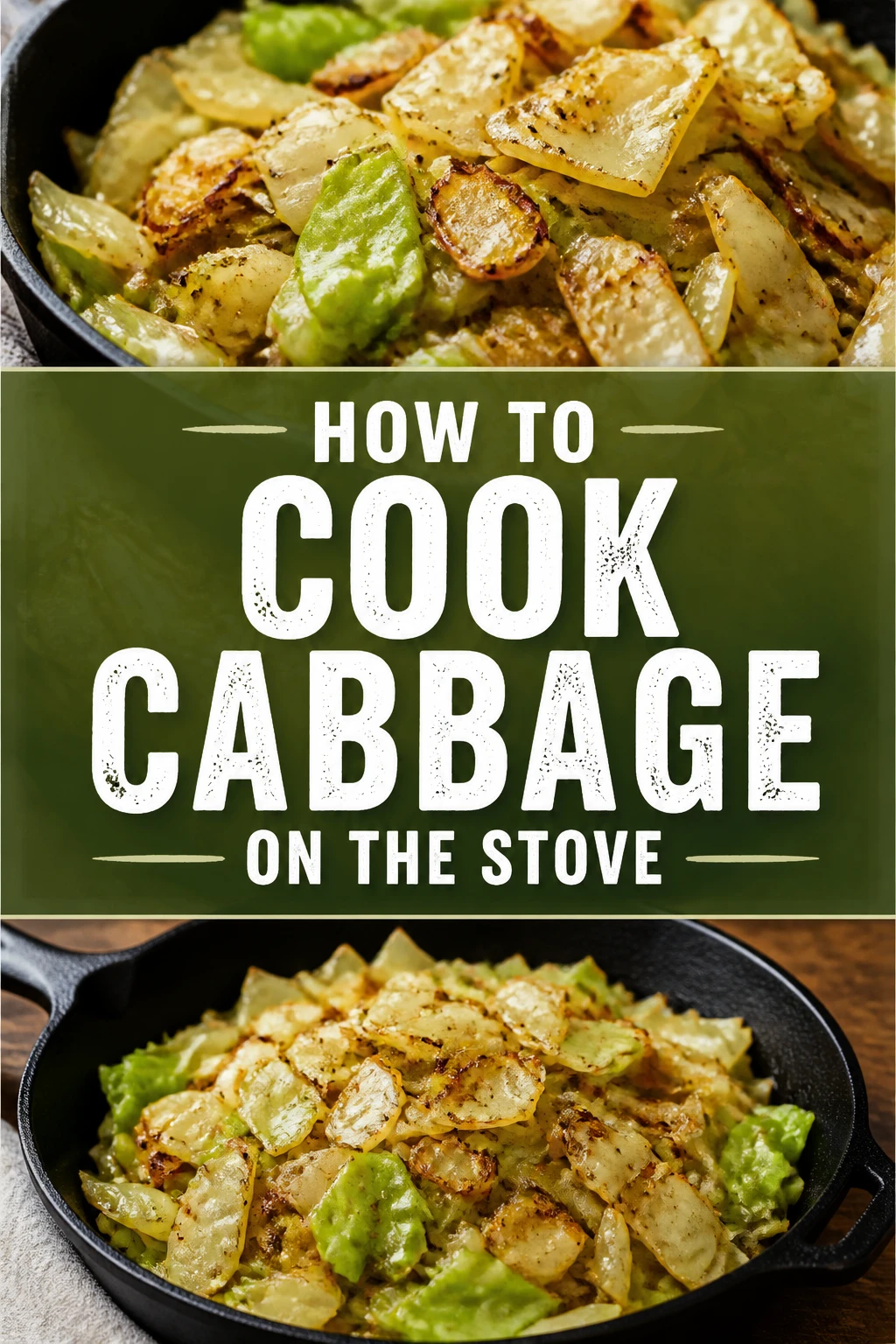
🔥 How To Cook Cabbage On The Stove
I remember the first time I tried to cook cabbage on a Tuesday night when my pantry was nearly empty.
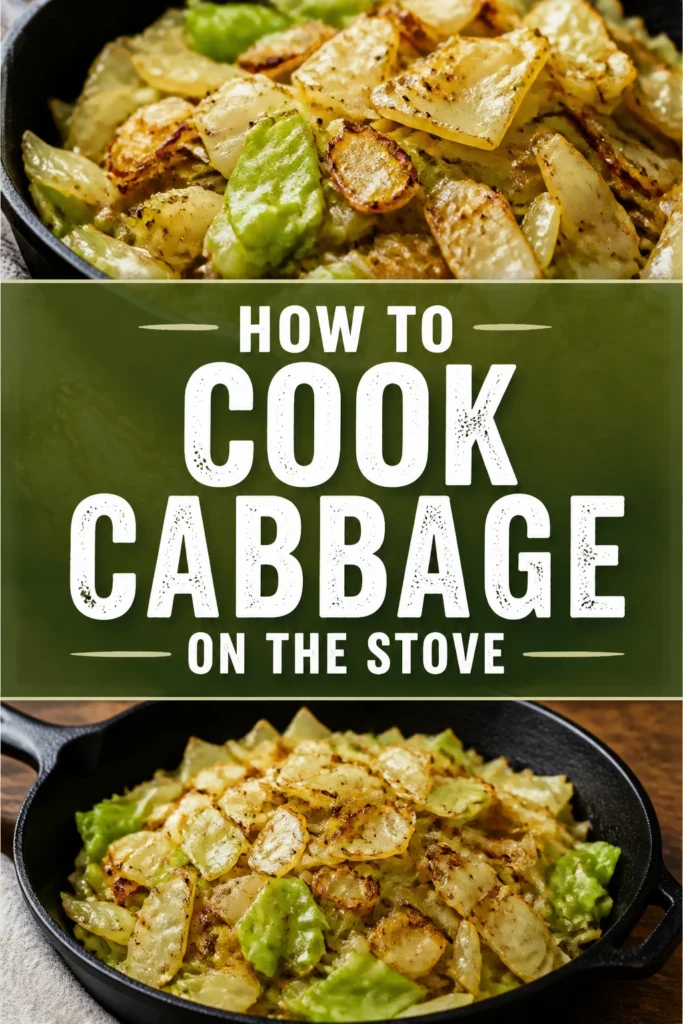
It transformed from a dense, humble ball of leaves into a buttery, golden-brown side dish that completely stole the show from the main course.
This guide comes from years of refining my technique to ensure every bite is tender, savory, and never soggy.
Quick Overview
Cooking cabbage on the stove is one of the fastest ways to turn a budget-friendly vegetable into a gourmet experience.
- Time needed: 20–25 minutes
- Difficulty: Beginner
- What you’ll need: A large skillet, a sharp knife, butter or oil, and a fresh head of cabbage.
Step 1: Choose the Right Cabbage
Inspect the cabbage at the grocery store to ensure you are starting with the best possible ingredients.
Look for a head that feels heavy for its size and has tightly packed leaves without many brown spots or wilting.
Green cabbage is the standard choice for stovetop cooking because it holds its structure well under heat.
Savoy cabbage is another excellent option if you want a more delicate texture and crinkled leaves that catch the sauce.
Red cabbage works too, though it takes slightly longer to soften and can stain other ingredients in the pan.
Pro Tip: Peel off and discard the outermost two leaves, as they are often tough, dirty, or bruised from transport.
Step 2: Prepare and Slice the Leaves
Wash the cabbage thoroughly under cold running water after you have removed the outer layers.
Place the cabbage on a stable cutting board and slice it in half through the center of the stem.
Cut a V-shape around the tough white core at the bottom of each half to remove it entirely.
Turn the cabbage flat-side down and slice it into thin ribbons, about half an inch wide.
Avoid cutting the ribbons too thin, or they will turn into mush before they have a chance to brown.
If you prefer a more rustic feel, you can chop the cabbage into one-inch squares instead of long strips.
Step 3: Select Your Cooking Fat
Choose a fat source that complements the flavor profile you want to achieve for your meal.
Butter provides a rich, nutty flavor that pairs perfectly with the natural sweetness of the cabbage.
Olive oil is a great choice for a lighter, Mediterranean-style dish with a higher smoke point.
Bacon grease is perhaps the most traditional choice, offering a smoky depth that is hard to beat.
You can also use a combination of oil and butter to get the flavor of butter with the heat resistance of oil.
Pro Tip: If using bacon grease, fry two strips of bacon in the pan first, then use the rendered fat to cook the cabbage.
Step 4: Heat the Skillet Properly
Place a large skillet or sauté pan over medium-high heat on your stovetop.
Wait until the pan is hot before adding your butter or oil to prevent the vegetable from sticking.
A wide pan is better than a deep pot because it allows for more surface contact and better caramelization.
If the pan is too small, the cabbage will pile up and steam rather than sear.
Test the heat by dropping a small piece of cabbage into the fat; it should sizzle immediately upon contact.
Step 5: Sauté the Aromatics
Add diced onions or minced garlic to the pan before the cabbage to build a flavor base.
Sauté the onions for about three to five minutes until they become translucent and slightly soft.
Add the garlic during the last sixty seconds of this process so it doesn’t burn and turn bitter.
You can also include red pepper flakes at this stage if you want a subtle heat throughout the dish.
The smell of the aromatics cooking in the fat is a great indicator that your pan is ready for the main event.
Step 6: Sear the Cabbage
Toss the sliced cabbage into the pan, filling it as much as possible without it spilling over the edges.
It will look like a massive amount of food at first, but cabbage loses significant volume as it cooks.
Let the cabbage sit undisturbed for two or three minutes to develop a golden-brown sear on the bottom layer.
This browning process, known as the Maillard reaction, is where the best flavor comes from.
Use a sturdy spatula to flip and stir the cabbage, ensuring the raw pieces move to the bottom of the pan.
Pro Tip: Do not add salt yet; salt draws out moisture, which can prevent the cabbage from browning properly in the early stages.
Step 7: Season and Deglaze
Sprinkle a generous amount of kosher salt and freshly cracked black pepper over the cabbage once it begins to wilt.
Add a splash of liquid to the pan to help loosen any browned bits stuck to the bottom.
Apple cider vinegar is the classic choice for deglazing cabbage, as the acidity cuts through the richness of the fat.
Chicken or vegetable broth can be used if you prefer a more savory, mellow flavor profile.
The steam created by this liquid will help soften the thicker parts of the cabbage ribbons quickly.
Step 8: Finish and Garnish
Reduce the heat to medium and continue cooking for another five to ten minutes until the cabbage reaches your desired tenderness.
Taste a piece to check the seasoning and add more salt or vinegar if the flavor seems flat.
Remove the pan from the heat while the cabbage still has a very slight “bite” to it.
Garnish the dish with fresh parsley, a squeeze of lemon juice, or the crispy bacon bits you saved from earlier.
Serve it immediately while it is hot and the edges are still slightly crisp.
Common Mistakes to Avoid
Overcrowding the Pan
If you put too much cabbage in a small pan, the moisture released from the leaves has nowhere to go. This creates a steaming effect rather than a sautéing effect, leaving you with pale, limp cabbage instead of golden, caramelized ribbons. Cook in batches if necessary or use your largest possible skillet.
Removing the Core Too Late
Trying to slice the cabbage while the core is still attached makes the process dangerous and uneven. The core is extremely dense and takes much longer to cook than the leaves. Always remove the core first to ensure your slices are uniform and cook at the same rate.
Using High Heat Only
Starting with high heat is great for the initial sear, but keeping it there for the entire duration will burn the exterior while the interior remains raw. You must manage the heat by lowering it once the browning has begun. This allows the heat to penetrate the thicker ribs of the cabbage without scorching the delicate edges.
Troubleshooting
The Cabbage is Too Bitter
Cabbage can sometimes have a sharp, bitter edge depending on the season it was harvested. To fix this, add a teaspoon of sugar or honey during the final minutes of cooking. The sweetness balances the bitterness and helps with the final caramelization of the dish.
The Dish is Soggy and Watery
This usually happens if you cover the pan with a lid for too long or add too much liquid when deglazing. To fix it, turn the heat up to medium-high and stir constantly to evaporate the excess moisture. Avoid covering the pan entirely; if you must use a lid, leave it slightly ajar to let steam escape.
The Cabbage is Tough and Chewy
If your cabbage is still tough after twenty minutes, it likely needs more moisture and a bit more time. Add another two tablespoons of broth or water and cover the pan for two minutes to create a concentrated steam environment. This will break down the tough cellulose fibers without requiring you to add more oil.
Key Takeaways
- Always remove the tough inner core before slicing to ensure even cooking and better texture.
- Start with a hot pan and fat to achieve a golden-brown sear before the cabbage softens.
- Wait until the cabbage has started to brown before adding salt to avoid excess moisture release.
- Use an acidic element like vinegar or lemon juice at the end to brighten the heavy, savory flavors.
- Select a wide skillet to maximize surface area and prevent the vegetable from steaming in its own juices.
Frequently Asked Questions
Can I cook red cabbage the same way?
Yes, you can cook red cabbage on the stove using this exact method, but keep in mind it is denser than green cabbage. It will likely require an extra five to seven minutes of cooking time and a bit more liquid to become tender. Adding vinegar is especially important for red cabbage to maintain its vibrant color.
How long does cooked cabbage stay fresh in the fridge?
Cooked cabbage stores remarkably well and can be kept in an airtight container for up to four days. It actually tastes better the next day as the flavors have more time to meld together. Reheat it in a dry skillet over medium heat to restore some of the texture rather than using a microwave.
Is it better to use butter or oil for cabbage?
The choice depends on your dietary preferences and the flavor you want. Butter offers a superior, classic taste that many people associate with comfort food. However, if you are cooking at very high heat or want a vegan option, a high-quality avocado or olive oil works perfectly well.
Do I need to soak cabbage before cooking?
There is no need to soak cabbage like you might with certain greens or beans. A simple rinse under cold water is sufficient to remove any surface dirt. Soaking cabbage can actually make it too wet, which interferes with the searing process in the skillet.
Our Top Recommended Finds
- 12-Inch Cast Iron Skillet: This provides the best heat retention and creates a superior crust on the cabbage leaves.
- Stainless Steel Chef’s Knife: A sharp, heavy knife makes slicing through a dense head of cabbage much safer and easier.
- Adjustable Mandoline Slicer: If you want perfectly uniform, paper-thin ribbons of cabbage, this tool is a game-changer for prep work.
Master Your Stovetop Skills
Now that you know how to turn a simple head of cabbage into a savory masterpiece, you can experiment with different flavor profiles.
Try adding caraway seeds for a German-inspired dish or soy sauce and ginger for an Asian-style stir-fry.
The versatility of the stovetop method allows you to adapt this vegetable to almost any cuisine or meal plan.
Pick up a head of cabbage today and see how easy it is to create a restaurant-quality side dish in your own kitchen.