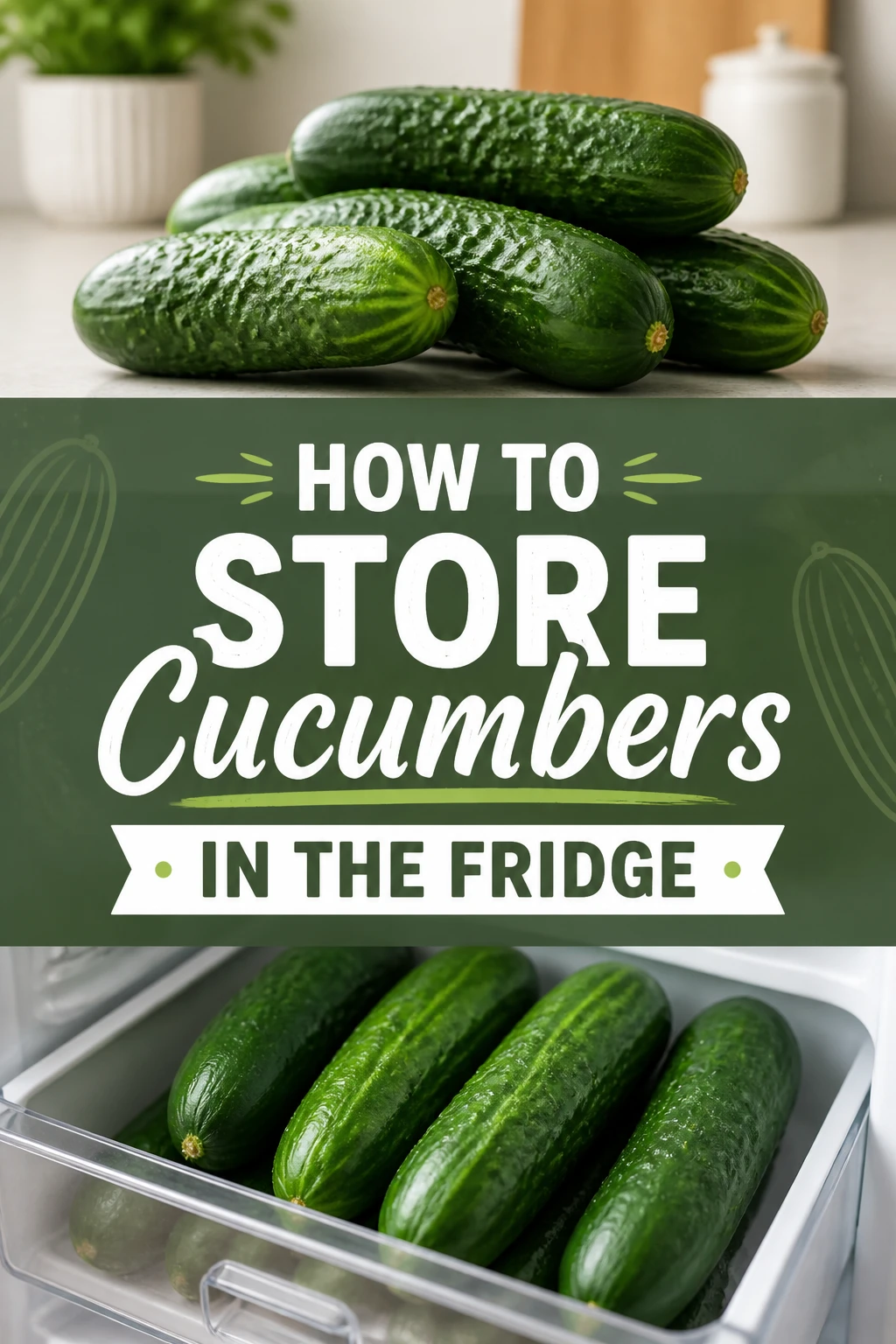
🥒 How To Store Cucumbers In The Fridge
There’s nothing quite like the crisp, refreshing crunch of a fresh cucumber. It’s perfect in salads, sandwiches, or just as a healthy snack.
But how often have you reached for one, only to find it sad, soft, or even slimy? It’s a common kitchen disappointment, and one I’ve experienced countless times myself.
Through years of trial and error in my own kitchen, I’ve perfected the art of keeping these green gems at their best. This guide shares exactly what I do to make sure my cucumbers stay fresh and firm for longer, saving both your produce and your peace of mind.

Quick Overview
This guide will walk you through the simple, yet effective, methods to extend the life of your cucumbers in the refrigerator. You’ll learn how to prevent common issues like wilting and spoilage, ensuring your next cucumber is as crisp as the day you bought it.
- Time needed: 5-10 minutes (initial prep)
- Difficulty: Beginner
- What you’ll need: Paper towels, airtight container or plastic wrap, optional: an open plastic bag.
Step-by-Step Instructions
Step 1: Inspect Your Cucumbers
Before doing anything else, take a good look at your cucumbers. You want to make sure they are firm and free of any soft spots or blemishes. Any damage can accelerate spoilage.
If you notice any significant bruising or cuts, it’s best to use those cucumbers first. They won’t store as well as their unblemished counterparts.
Step 2: Resist Washing Immediately
It might seem counter-intuitive, but avoid washing your cucumbers until you’re ready to use them. Moisture is the enemy of fresh produce storage.
The natural protective layer on the cucumber skin, sometimes called the “bloom,” helps to keep it fresh. Washing removes this layer and introduces excess water, which can lead to faster spoilage and mold growth.
Pro Tip: If your cucumbers are particularly dirty, gently wipe them with a dry cloth instead of rinsing. You can always give them a thorough wash right before slicing.
Step 3: Dry Them Thoroughly (If Already Washed)
If you’ve already washed your cucumbers, or if they have any surface moisture from the grocery store, it’s crucial to dry them completely. Use a clean kitchen towel or paper towels.
Gently pat each cucumber until its skin feels absolutely dry to the touch. This step is vital for preventing the dreaded sliminess that often plagues poorly stored cucumbers.
Any residual water will create a humid environment, which is a breeding ground for bacteria and mold. Take your time with this part.
Step 4: Wrap Individually
This is one of the most important steps for maximizing freshness. Each cucumber needs its own protective layer.
Wrap each cucumber individually in a paper towel. The paper towel acts as a moisture absorber, wicking away any condensation that might form.
This barrier also helps to protect the cucumber from direct exposure to the cold, which can cause “chilling injury.” Chilling injury manifests as soft spots or a watery texture.
Step 5: Place in a Container or Bag
After wrapping, place your paper-towel-wrapped cucumbers into an airtight container. A large plastic container with a lid works perfectly.
Alternatively, you can place them into a reusable silicone bag or even a loosely sealed plastic bag. The goal here is to create a slightly enclosed environment that still allows for some air circulation while protecting them from other fridge odors.
Avoid packing them too tightly. Give them a little breathing room within the container or bag.
Step 6: Choose the Right Fridge Location
Cucumbers are sensitive to extreme cold. They are not fans of the coldest parts of your refrigerator.
The crisper drawer is generally the best place for them. Specifically, the “high humidity” setting on your crisper drawer, if your fridge has one, is ideal.
This setting helps maintain a stable, slightly humid environment without being too wet. Avoid storing them near the back of the fridge, as this area is often the coldest and can cause them to freeze or develop cold spots.
Pro Tip: Store cucumbers away from ethylene-producing fruits like apples, bananas, and tomatoes. Ethylene gas speeds up ripening and spoilage in sensitive produce like cucumbers. Keep them on separate shelves if possible.
Step 7: Monitor and Replace Paper Towels
Even with proper initial drying, condensation can still occur over time. Check your cucumbers every few days.
If the paper towels feel damp, replace them with fresh, dry ones. This simple maintenance step will significantly extend their shelf life.
Damp paper towels lose their ability to absorb moisture and can actually contribute to spoilage if left in place. A quick towel change can add several days to your cucumber’s life.
Common Mistakes to Avoid
Washing Before Storage
Many people instinctively wash all their produce as soon as they get home from the store. For cucumbers, this is a mistake. Washing introduces moisture, which encourages mold and bacterial growth. Always wait until you’re ready to eat them before giving them a rinse.
Storing in Too Cold Conditions
Cucumbers are susceptible to chilling injury when exposed to temperatures below 50°F (10°C) for too long. While your fridge is colder than this, storing them in the coldest parts, like the very back or near the freezer vent, can cause them to become waterlogged, soft, or develop pits on their skin. The crisper drawer offers a slightly warmer, more stable environment.
Leaving Them Unwrapped
Simply tossing cucumbers into the crisper drawer without any protection is a recipe for quick wilting and spoilage. They need a barrier to protect them from both moisture loss and direct cold. The paper towel wrap is crucial for absorbing excess moisture and insulating them.
Storing with Ethylene Producers
Ethylene gas is a natural plant hormone that promotes ripening. Fruits like apples, bananas, and tomatoes release significant amounts of this gas. If stored near these fruits, cucumbers will ripen and spoil much faster, becoming soft and yellow. Always keep them separate in your fridge.
Troubleshooting
Cucumbers are Soft and Wilting
If your cucumbers feel soft and pliable, they are likely suffering from dehydration. This often happens if they weren’t stored properly wrapped, allowing their moisture to escape. While you can’t fully reverse the wilting, sometimes a quick soak in ice water for 15-30 minutes can help restore some crispness, especially if you plan to use them immediately.
Cucumbers are Slimy or Moldy
Sliminess or mold growth usually indicates too much moisture or an overly humid environment. This can happen if they were washed before storage and not dried, or if the paper towels became saturated and weren’t replaced. If only a small area has mold, you can cut it off, but if the sliminess is widespread, it’s safer to discard the cucumber to avoid consuming harmful bacteria.
Cucumbers Have Cold Spots or Are Watery Inside
This is a classic sign of chilling injury. It occurs when cucumbers are exposed to temperatures that are too cold, often from being stored in the coldest part of the fridge. While not harmful to eat, the texture and flavor will be compromised. To prevent this, ensure they are stored in the crisper drawer and not against the back wall of the refrigerator.
Key Takeaways
- Never wash cucumbers before storing them; wash only when ready to use.
- Ensure cucumbers are completely dry before wrapping to prevent mold and sliminess.
- Wrap each cucumber individually in a paper towel to absorb moisture and insulate.
- Store wrapped cucumbers in an airtight container or bag in the crisper drawer.
- Keep cucumbers separate from ethylene-producing fruits like apples and bananas.
- Regularly check and replace damp paper towels to maintain optimal freshness.
Frequently Asked Questions
How long do cucumbers last in the fridge when stored correctly?
When stored properly using these methods, whole cucumbers can last anywhere from 7 to 10 days, sometimes even up to two weeks. The exact duration depends on their initial freshness and variety.
Can I store cut cucumbers in the fridge?
Cut cucumbers have a much shorter shelf life. To store them, wrap the cut end tightly with plastic wrap or foil, then place the cucumber in an airtight container. They will typically last for 2-3 days before losing crispness and flavor.
Should I store cucumbers in the crisper drawer with high or low humidity?
Cucumbers prefer a high-humidity environment. If your crisper drawer has a setting, adjust it to high humidity. This helps prevent them from drying out too quickly while the paper towel manages direct surface moisture.
What happens if cucumbers get too cold?
If cucumbers get too cold (below 50°F or 10°C), they can suffer from chilling injury. This manifests as pitting, water-soaked spots, or a general soft and mushy texture. Their flavor can also become dull.
Our Top Recommended Finds
- Reusable Silicone Storage Bags: Excellent for creating a slightly breathable yet protected environment for your wrapped cucumbers, reducing plastic waste.
- Airtight Food Storage Containers: A set of good quality, BPA-free containers provides a sturdy, secure home for your produce, keeping it fresh and safe from fridge odors.
- Absorbent Paper Towels: High-quality, durable paper towels are essential for effectively wicking away moisture and keeping your cucumbers dry.
Transform Your Cucumber Experience Today
No more sad, soggy cucumbers destined for the compost bin. By following these straightforward steps, you can significantly extend the life and crispness of your favorite green vegetable. Imagine reaching for a cucumber that’s as perfect as the day you brought it home, ready to add a refreshing crunch to any meal.
Ready to take your produce storage to the next level? Start with your next grocery trip. Apply these simple techniques and notice the difference in how long your cucumbers stay fresh. You might even find yourself enjoying more salads and snacks!
Consider exploring other produce storage guides to keep your entire fridge organized and your ingredients vibrant. A little knowledge goes a long way in reducing food waste and making your kitchen more efficient.