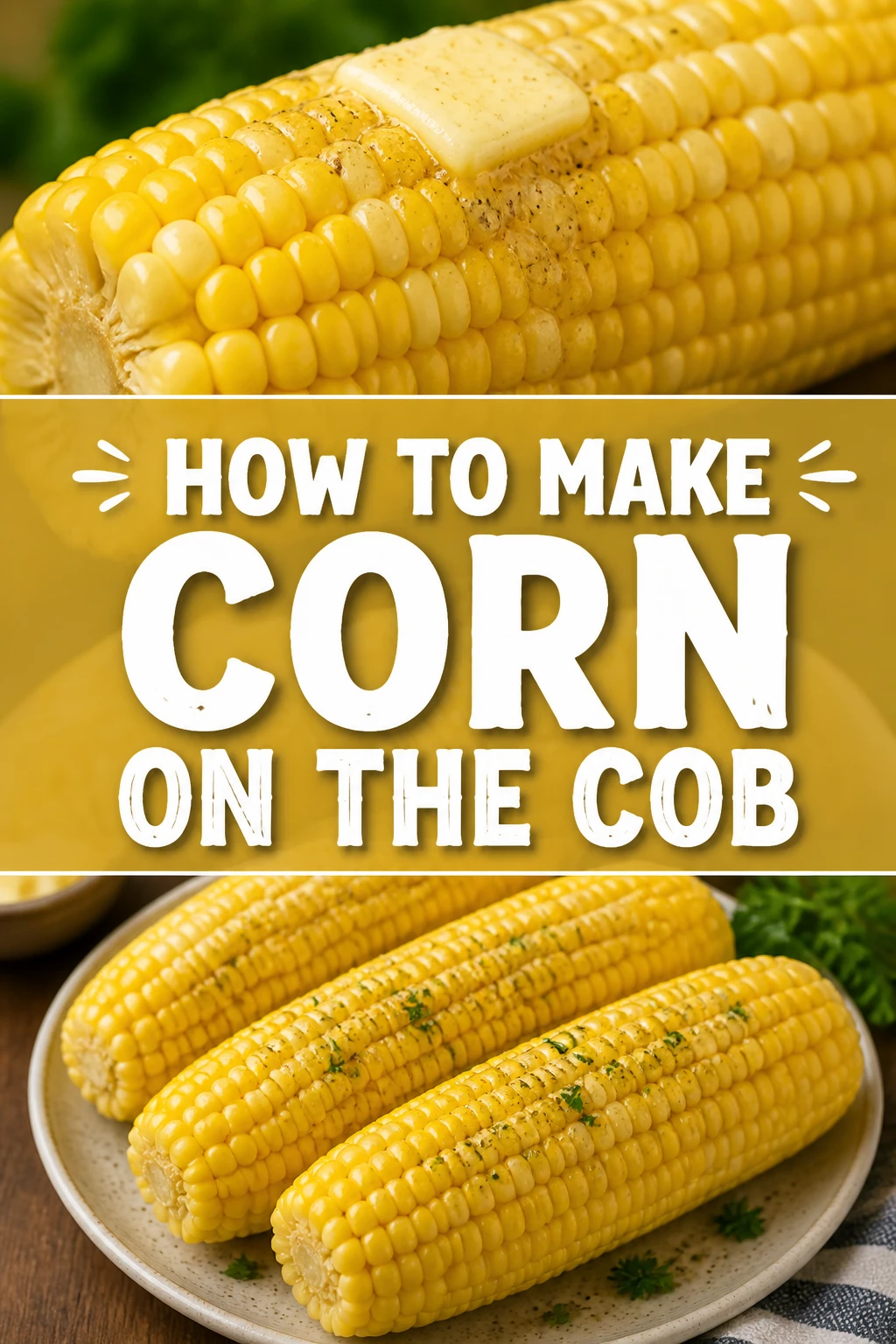
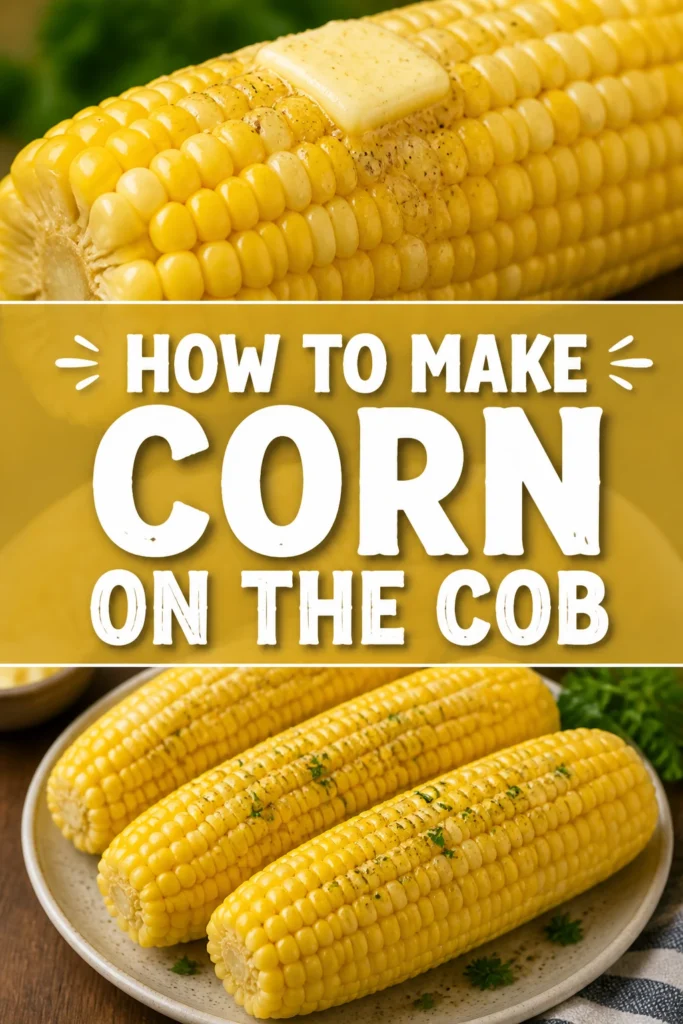
🌽 How To Make Corn On The Cob
There’s nothing quite like the taste of perfectly cooked corn on the cob, a true summer delight.
I’ve spent countless seasons perfecting my technique, from backyard barbecues to simple weeknight dinners.
This guide shares all my best tips and tricks, ensuring you achieve sweet, tender kernels every single time.
Quick Overview
You’re about to master the art of preparing delicious corn on the cob, ready to impress family and friends.
We’ll cover everything from selecting the best ears to various cooking methods and expert seasoning.
- Time needed: 20-30 minutes (depending on method)
- Difficulty: Beginner
- What you’ll need: Fresh corn, large pot, water, salt, butter (optional), corn holders (optional)
Step-by-Step Instructions
Step 1: Choose Your Corn Wisely
Select the freshest corn possible. Look for ears with bright green husks that are tightly wrapped.
Feel the kernels through the husk; they should be plump and firm, not soft or dry.
Pro Tip: A good sign of freshness is when the silk at the top is slightly damp and golden or light brown, not black or slimy.
Step 2: Husk and Silk the Corn
Peel back the green husks from the top of each ear, pulling them down towards the base.
You can either remove the husks completely or leave them attached to use as a “handle” for grilling.
Remove all the fine, stringy silk strands. This can be a bit tedious, but it’s crucial for a clean eating experience.
A stiff brush or a damp paper towel can help gather stubborn silks.
Step 3: Rinse and Prepare
Rinse the shucked corn under cool running water.
This helps to wash away any remaining silk or debris.
Pat the corn dry with a clean towel if you plan to grill or roast it, as excess moisture can hinder browning.
Step 4: Boiling Method (Classic & Easy)
This is the most common and straightforward way to cook corn on the cob.
Fill a large stockpot about two-thirds full with water. Add a generous pinch of salt to the water.
Bring the water to a rolling boil over high heat. Once boiling, carefully add the shucked corn ears to the pot.
Cook for 5-7 minutes. Fresh corn cooks quickly, and overcooking can make it tough and mushy.
Remove the corn from the boiling water using tongs. Drain well before serving.
Pro Tip: Avoid adding sugar to the boiling water. Fresh sweet corn doesn’t need it, and it can actually toughen the kernels.
Step 5: Grilling Method (Smoky & Flavorful)
Grilling adds a wonderful smoky char and sweetness to the corn.
Preheat your grill to medium-high heat. You can grill corn with or without the husk.
If grilling with husks, soak the ears in cold water for 15-20 minutes first. This prevents the husks from burning too quickly.
For shucked corn, lightly brush the ears with olive oil or melted butter to prevent sticking and enhance flavor.
Place the corn directly on the grill grates. Turn every few minutes until lightly charred and tender, about 10-15 minutes.
If using husks, grill for 15-20 minutes, turning often, until the husks are charred and the kernels are tender.
Step 6: Roasting Method (Tender & Sweet)
Roasting brings out the corn’s natural sugars, resulting in incredibly sweet and tender kernels.
Preheat your oven to 400°F (200°C).
For shucked corn, lightly brush with olive oil or melted butter and season with salt and pepper.
Wrap each ear individually in aluminum foil. This steams the corn, keeping it moist.
Alternatively, place unwrapped, shucked corn directly on a baking sheet for a slightly drier, more caramelized result.
Roast for 20-25 minutes, or until tender. For unwrapped corn, turn halfway through cooking.
Step 7: Season and Serve
Once cooked, your corn is ready for seasoning.
Rub each ear with a pat of butter, letting it melt into the warm kernels.
Sprinkle generously with salt. Freshly ground black pepper is also a great addition.
For an extra kick, try a squeeze of lime juice, a sprinkle of chili powder, or some chopped fresh cilantro.
Common Mistakes to Avoid
Overcooking the Corn
Many people believe corn needs a long cook time. However, fresh sweet corn is delicate and cooks very quickly.
Overcooking turns the kernels tough, mushy, and less flavorful, robbing them of their natural sweetness and crispness.
Aim for just a few minutes of cooking once the water returns to a boil, or until the kernels are tender-crisp.
Not Removing All the Silk
Leaving silk strands on the corn can be an unpleasant surprise when you bite into it.
While tedious, taking the time to thoroughly remove all silk ensures a smooth and enjoyable eating experience.
A damp paper towel or a clean brush can be very effective for catching those stubborn threads.
Using Stale Corn
Corn on the cob is best when eaten fresh, ideally within a day or two of being picked.
As corn ages, its sugars convert to starch, leading to a less sweet and sometimes mealy texture.
Always prioritize fresh, vibrant ears for the best possible flavor and texture.
Adding Sugar to Boiling Water
It’s a common misconception that adding sugar to the cooking water makes corn sweeter.
In reality, it can have the opposite effect, sometimes toughening the kernels and making them less appealing.
Let the natural sweetness of fresh corn shine through; it doesn’t need any artificial enhancement.
Troubleshooting
Corn is Tough or Chewy
If your corn turns out tough, it’s most likely a sign of overcooking. Fresh corn only needs a short time to become tender.
Reduce your cooking time significantly. For boiling, aim for 5-7 minutes maximum once the water reaches a boil.
Alternatively, the corn might not have been fresh to begin with, as older corn naturally becomes starchier and tougher.
Corn Tastes Bland
Bland corn usually means it’s under-seasoned or wasn’t very fresh.
Always add salt to your cooking water if boiling, and generously season with butter and salt immediately after cooking.
Ensure you’re selecting the freshest ears, as fresh corn inherently has more natural sweetness and flavor.
Stubborn Silk Remains
Sometimes, despite your best efforts, tiny silk strands cling to the kernels.
After husking, use a clean, stiff brush (like a vegetable brush) or a slightly damp paper towel to gently rub off remaining silks.
Running the corn under cool water while gently rubbing can also help dislodge them.
Key Takeaways
- Freshness is paramount: Always choose corn with tight green husks and plump kernels for the best flavor.
- Husk and de-silk thoroughly: Take your time to remove all silk for a pleasant eating experience.
- Don’t overcook: Fresh corn cooks quickly; 5-7 minutes for boiling is usually sufficient to prevent toughness.
- Season generously: Butter and salt are classic for a reason, enhancing the corn’s natural sweetness.
- Explore cooking methods: Boiling, grilling, and roasting each offer unique textures and flavors.
- Avoid adding sugar to water: It’s unnecessary and can negatively impact the corn’s texture.
Frequently Asked Questions
How do I store fresh corn on the cob?
Store unhusked corn in the refrigerator. Wrap it loosely in a plastic bag or place it in a crisper drawer.
It’s best to cook and eat it within 1-3 days for optimal sweetness and texture.
Can I cook frozen corn on the cob?
Yes, you can cook frozen corn on the cob. Simply boil it from frozen for about 7-10 minutes, or until heated through and tender.
Grilling or roasting from frozen also works, just add a few extra minutes to the cooking time.
Should I shuck corn before or after cooking?
For boiling or roasting in foil, shuck the corn before cooking. This allows for direct contact with water or heat.
For grilling, you can leave the husks on (after soaking) for a steamed effect and easier handling, then peel back to char.
What’s the best way to eat corn on the cob without making a mess?
Corn holders are fantastic for keeping your hands clean and safe from hot corn.
You can also hold the corn vertically and slice the kernels off with a sharp knife if you prefer not to eat directly from the cob.
Our Top Recommended Finds
- Corn Holders: These small, pronged skewers make handling hot corn easy and mess-free.
- Large Stock Pot: Essential for boiling multiple ears of corn evenly and efficiently.
- Corn Stripper Tool: Perfect for quickly removing kernels from the cob for salads, salsas, or side dishes.
Your Corn Journey Continues
Mastering corn on the cob is a simple pleasure that elevates any meal.
Now that you have these trusted techniques, you’re ready to enjoy perfectly sweet, tender corn every time.
Experiment with different seasonings or explore recipes like elote (Mexican street corn) to take your corn game to the next level.
Go ahead, grab some fresh ears and start cooking tonight!