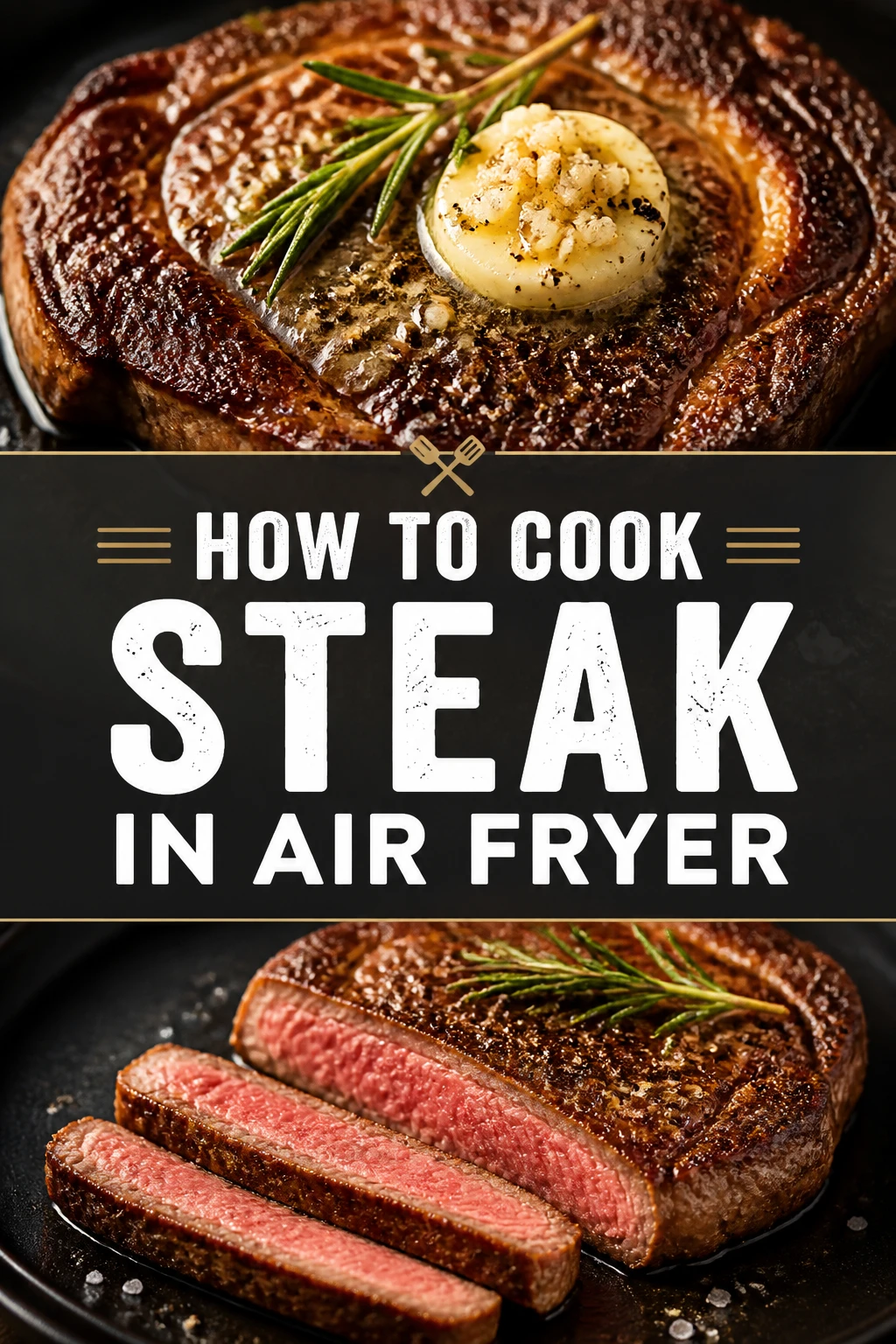
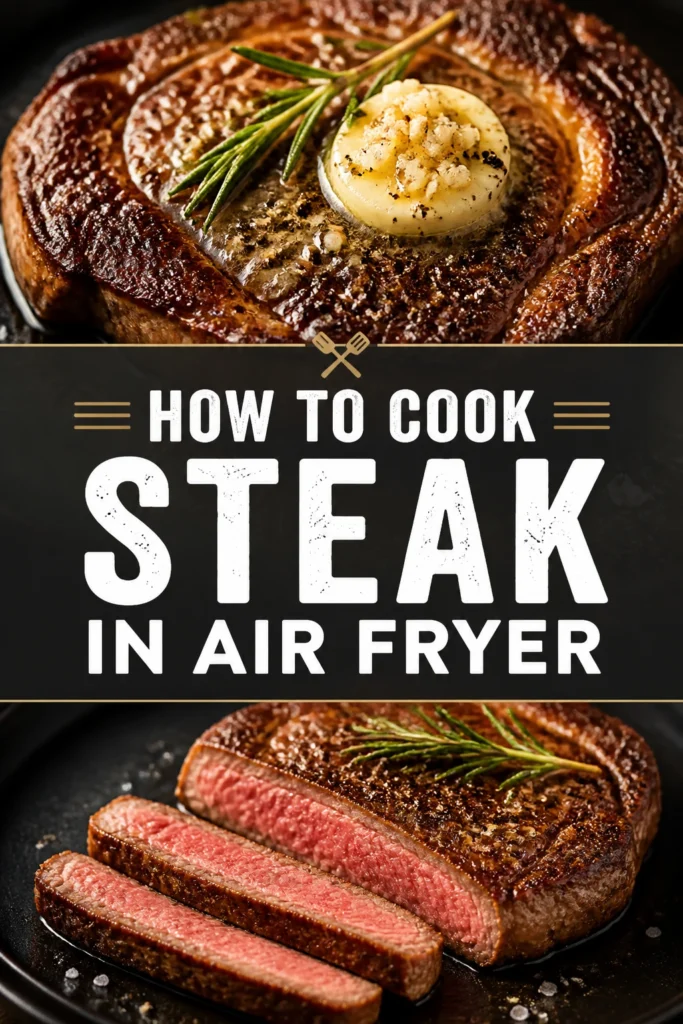
💡 How To Cook Steak In Air Fryer
I spent years believing that a high-end cast iron skillet was the only way to achieve a restaurant-quality steak at home.
Everything changed the day I experimented with a thick-cut ribeye in my air fryer and realized it produces a perfectly even edge-to-edge finish.
This guide comes from dozens of tests across various air fryer models to ensure you get a juicy, tender result every single time.
Quick Overview
Cooking steak in an air fryer is surprisingly efficient and creates much less mess than stovetop searing.
You will achieve a consistent internal temperature while the circulating air creates a beautiful brown crust on the outside.
- Time needed: 20-30 minutes (including prep and resting)
- Difficulty: Beginner
- What you’ll need: Air fryer, meat thermometer, high-quality steak, oil, and seasonings.
Step 1: Select the Right Cut of Meat
Choose a steak that is at least 1 to 1.5 inches thick to prevent it from overcooking before a crust can form.
Thinner steaks like flank or skirt can work, but they require much shorter cook times and are easier to dry out in the high-intensity heat.
Look for heavy marbling, especially if you are choosing a Ribeye or a New York Strip, as the fat will render and keep the meat moist.
Filet Mignon is also an excellent candidate for the air fryer because the consistent heat cooks the thick cut evenly from all sides.
Pro Tip: Avoid “select” grade beef if possible; “choice” or “prime” grades have the fat content necessary to withstand the drying effects of rapid air circulation.
Step 2: Temper the Steak
Remove your steak from the refrigerator at least 30 to 45 minutes before you plan to start cooking.
Putting a cold steak directly into a hot air fryer causes the muscle fibers to tense up, which often results in a tough texture.
Allow the internal temperature of the meat to rise slightly so that the heat can penetrate the center more efficiently during the cook cycle.
This step is the secret to getting that perfect pink center without a thick “gray band” of overcooked meat around the edges.
Step 3: Dry and Season Thoroughly
Pat the surface of the steak completely dry using paper towels on all sides, including the edges.
Moisture is the enemy of the Maillard reaction, which is the chemical process that creates the flavorful brown crust we all love.
Apply a light coating of oil with a high smoke point, such as avocado oil or grapeseed oil, to help the seasonings stick and conduct heat.
Season generously with kosher salt and freshly cracked black pepper, or your favorite dry rub, ensuring you cover every inch of the meat.
Pro Tip: If you have time, salt the steak 2 hours in advance and leave it uncovered in the fridge to “dry brine” for an even better crust.
Step 4: Preheat the Air Fryer
Set your air fryer to its highest setting, usually 400°F (200°C), and let it run for at least 5 minutes before adding the meat.
A hot basket or tray acts like a searing surface, giving the bottom of the steak a head start on browning the moment it touches the metal.
Ensure the air fryer is clean and free of old grease, as the high heat will cause any leftover residue to smoke and affect the flavor of your steak.
Preheating is non-negotiable if you want a result that rivals a pan-seared steak.
Step 5: Arrange the Steak for Airflow
Place the seasoned steak in the center of the air fryer basket, ensuring there is plenty of space around it for air to circulate.
If you are cooking multiple steaks, do not let them touch or overlap, as this will cause the meat to steam rather than roast.
Cook in batches if your air fryer is small, because overcrowding is the fastest way to end up with gray, unappealing meat.
The magic of the air fryer lies in the rapid movement of hot air, so blocking that flow ruins the entire process.
Step 6: Set the Initial Timer
Start with a base time of 10 to 12 minutes for a 1-inch thick steak if you are aiming for medium-rare.
Every air fryer model behaves differently, with some running hotter or having more powerful fans than others.
Adjust your expectations based on the thickness; a 1.5-inch steak may need 14 to 16 minutes total, while a thinner steak might be done in 8.
It is always better to check the meat early rather than late, as you can always add time, but you cannot undo overcooking.
Step 7: Flip Halfway Through
Open the basket halfway through the cooking time and use silicone-tipped tongs to carefully flip the steak.
Flipping ensures that both sides are exposed to the direct heat of the top heating element, leading to even browning.
Observe the color of the steak at this point; it should be starting to turn a deep golden brown.
This is also a good time to add a pat of butter or a sprig of rosemary on top of the steak for the final few minutes of cooking.
Step 8: Check the Internal Temperature
Insert an instant-read meat thermometer into the thickest part of the steak to check for doneness.
For medium-rare, look for a reading of 130°F (54°C); for medium, aim for 140°F (60°C).
Remember that the temperature will continue to rise by about 5 degrees while the steak rests, so pull it out just before it hits your target.
Pro Tip: Never rely on “feel” or time alone; a digital thermometer is the only way to guarantee a perfect steak every time.
Step 9: Let the Steak Rest
Transfer the steak to a warm plate or a wooden cutting board immediately after removing it from the air fryer.
Wait at least 5 to 10 minutes before slicing into the meat to allow the juices to redistribute throughout the fibers.
If you cut it too soon, all those delicious juices will run out onto the board, leaving you with a dry piece of beef.
Tent the steak loosely with aluminum foil if you are worried about it getting cold, but keep it loose so the crust doesn’t get soggy from steam.
Common Mistakes to Avoid
Using the Wrong Oil
Many people reach for extra virgin olive oil or butter to coat their steak before air frying. These have low smoke points and will fill your kitchen with smoke while potentially leaving a bitter, burnt taste on the meat. Stick to avocado, light olive oil, or canola oil for the best results.
Skipping the Preheat Phase
Adding a steak to a cold air fryer means the meat sits in lukewarm air while the machine ramps up. This leads to the inside cooking too much before the outside has a chance to brown. You lose the contrast between the crust and the tender center that makes a steak great.
Overcrowding the Basket
It is tempting to squeeze three steaks into a basket designed for two. When steaks touch, the air cannot reach the sides, and the moisture released from the meat creates a localized steam cloud. You will end up with boiled-looking meat instead of a roasted steak.
Troubleshooting
The Steak is Gray and Not Crusty
This usually happens because the steak was too wet when it went in or the air fryer wasn’t hot enough. Make sure to use a paper towel to remove every drop of moisture from the surface. You can also try lightly brushing the steak with a tiny bit of kitchen bouquet or a dark soy sauce to encourage browning if your air fryer is lower powered.
The Outside is Burnt But the Inside is Raw
This occurs when the steak is too thick or was cooked straight from the fridge while the air fryer was set to its maximum temperature. To fix this, lower the temperature to 375°F (190°C) for very thick cuts. This allows the heat more time to reach the center without carbonizing the exterior fat and seasonings.
Key Takeaways
- Always use a meat thermometer to ensure the steak reaches your desired level of doneness without guessing.
- Dry the steak thoroughly with paper towels to facilitate a better crust and prevent steaming.
- Preheat the air fryer for at least 5 minutes at 400°F to mimic the sear of a hot pan.
- Allow the meat to rest for 5 to 10 minutes after cooking to keep the juices inside the steak.
- Use high smoke point oils like avocado oil to prevent smoking and off-flavors during the high-heat process.
Frequently Asked Questions
Can I cook a frozen steak in the air fryer?
Yes, you can cook a steak from frozen, but the method changes significantly. You should cook it at a lower temperature, around 350°F, for a longer period to thaw the center without burning the outside. However, for the best quality and texture, thawing the steak in the refrigerator overnight is always recommended.
Do I need to put oil in the air fryer basket?
You do not need to grease the basket itself if you have oiled the steak. Most air fryer baskets have a non-stick coating that works well with the natural fats in the beef. If you are worried about sticking, a very light spray of a high-heat oil on the grates is sufficient.
Why does my air fryer smoke when cooking steak?
Steak often releases rendered fat that can drip onto the bottom of the air fryer and burn. To prevent this, you can place a slice of bread in the bottom of the air fryer (under the basket) to soak up the grease. Alternatively, ensure your air fryer is deep-cleaned to remove any old fat deposits before you start.
Can I cook steak tips or bites using this method?
Absolutely, but you will need to significantly reduce the cooking time. Steak bites usually only take 5 to 7 minutes at 400°F. Since they have more surface area, they develop a great crust very quickly, but they can also overcook in the blink of an eye.
Our Top Recommended Finds
- Digital Instant-Read Thermometer: A fast and accurate thermometer is the most important tool for steak success.
- Silicone-Tipped Tongs: These allow you to flip the meat securely without scratching the non-stick coating of your air fryer basket.
- Avocado Oil Spray: This oil has a very high smoke point (520°F), making it perfect for high-heat air frying without the mess.
Master Your Air Fryer Skills
Now that you have mastered the perfect air fryer steak, you can start experimenting with different flavor profiles.
Try topping your next steak with a homemade garlic herb butter or a blue cheese crumble immediately after taking it out of the basket.
If you enjoyed this recipe, you might want to look into air frying root vegetables like potatoes or carrots to serve as a side dish.
Grab a high-quality ribeye from your local butcher today and put these steps into practice for tonight’s dinner.