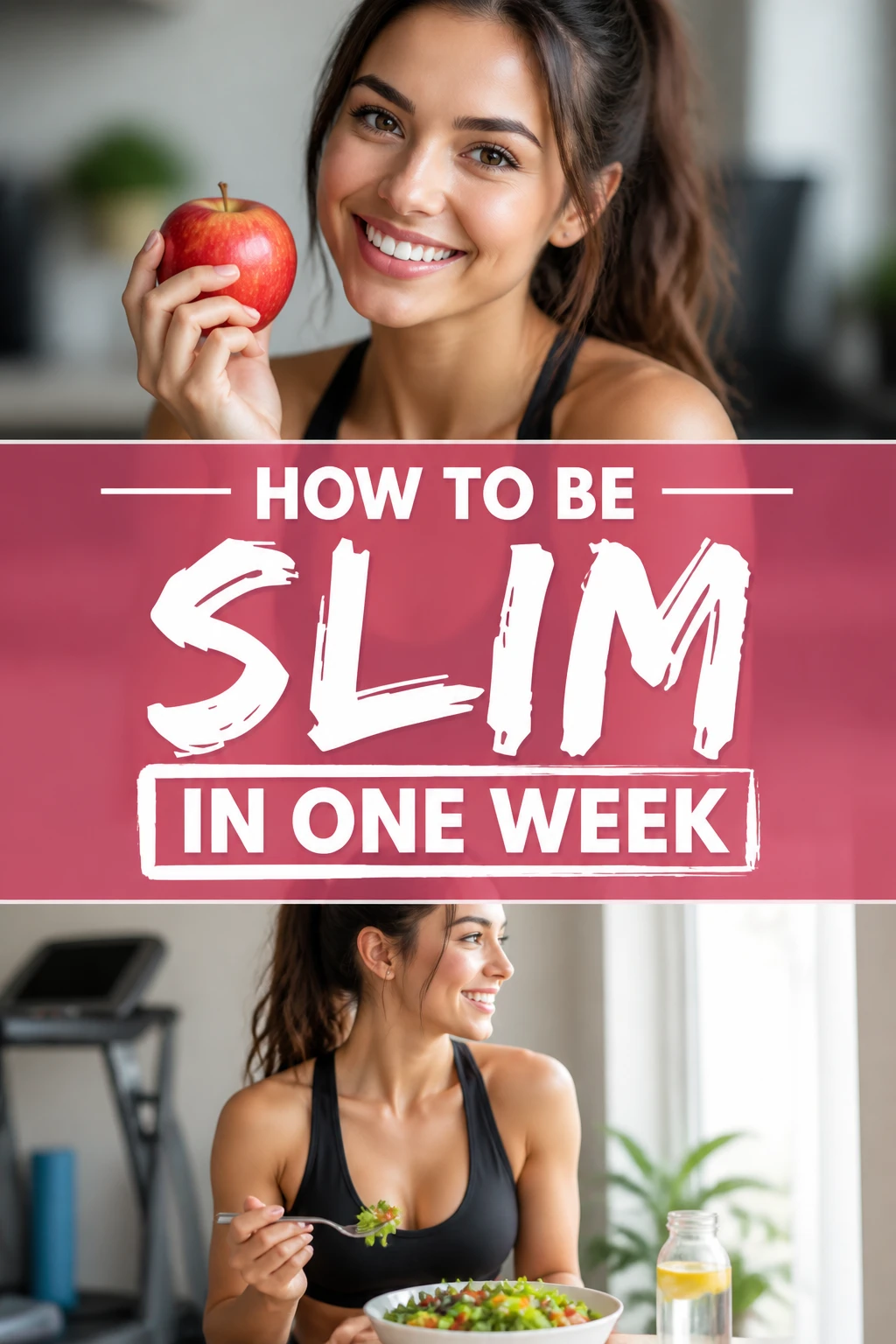
🍏 How To Be Slim In One Week
Feeling a little sluggish or bloated and wishing for a quick reset? Many of us have been there, wanting to feel lighter and more energetic in a short timeframe. This guide comes from understanding that desire, offering practical steps to kickstart your journey toward feeling slimmer and healthier.
It’s about making smart choices that yield noticeable results, helping you feel your best.
Quick Overview
This guide outlines actionable strategies to help you reduce bloating, shed excess water weight, and feel significantly lighter and more energized within seven days. You’ll learn how to optimize your diet, hydration, and daily habits for rapid, healthy changes.
- Time needed: 7 days of focused effort
- Difficulty: Intermediate (requires commitment and consistency)
- What you’ll need: A reusable water bottle, fresh whole foods, comfortable walking shoes, and a positive mindset.
Step-by-Step Instructions
The path to feeling slimmer in one week is built on consistent, smart choices. Each step supports the others, creating a powerful synergy for quick results. Focus on integrating these habits daily.
Step 1: Hydrate Intensely and Consistently
Water is your most powerful ally in feeling slimmer. It helps flush out excess sodium, reduces water retention, and aids digestion. Aim for at least 8-10 glasses (around 2-3 liters) of plain water daily.
Start your day with a large glass of water before anything else. Keep a water bottle with you and sip throughout the day. This simple habit makes a huge difference.
Pro Tip: If plain water feels boring, infuse it with slices of lemon, cucumber, mint, or berries. This adds flavor without sugar or artificial sweeteners, making hydration more enjoyable.
Step 2: Eliminate Processed Foods and Refined Sugars
For this week, commit to a strict detox from all processed foods. This means no packaged snacks, sugary drinks, fast food, or anything with a long ingredient list. These items are often high in sodium, unhealthy fats, and refined sugars, all of which contribute to bloating and inflammation.
Focus on whole, unprocessed ingredients. Think fresh fruits, vegetables, lean proteins, and healthy fats. This dietary shift will immediately reduce your intake of bloat-inducing agents.
Step 3: Prioritize Lean Protein and High Fiber
Lean protein helps you feel full and satisfied, preserving muscle mass while you reduce overall intake. Good sources include chicken breast, fish, eggs, tofu, lentils, and Greek yogurt. Include a source of lean protein with every meal.
Fiber is crucial for healthy digestion and preventing constipation, a common cause of bloating. Load up on non-starchy vegetables like leafy greens, broccoli, and bell peppers. Berries, chia seeds, and oats are also excellent fiber sources.
Pro Tip: Aim for at least 25-30 grams of fiber per day. Introduce fiber gradually if your current diet is low, to avoid digestive discomfort. Drink plenty of water as you increase fiber intake.
Step 4: Embrace Mindful Eating Practices
Slow down and pay attention to your meals. Eating too quickly can lead to swallowing air, causing bloating and indigestion. Chew your food thoroughly, savoring each bite.
Listen to your body’s hunger and fullness cues. Stop eating when you feel satisfied, not stuffed. Eating mindfully helps you recognize when you’ve had enough, preventing overeating.
Step 5: Incorporate Daily Movement and Light Exercise
You don’t need intense gym sessions to feel slimmer. Daily movement helps improve circulation, reduce water retention, and support healthy digestion. Aim for at least 30-60 minutes of moderate activity each day.
Walking, gentle yoga, cycling, or light jogging are excellent choices. Even breaking up your day with short bursts of movement, like a 10-minute walk every few hours, can be beneficial. Consistency is key.
Pro Tip: Try to move your body first thing in the morning. A brisk 20-30 minute walk before breakfast can kickstart your metabolism and boost your energy for the day.
Step 6: Optimize Your Sleep for Recovery
Sleep plays a critical role in weight management and how your body functions. Lack of sleep can disrupt hunger hormones, leading to increased cravings and poor food choices. Aim for 7-9 hours of quality sleep each night.
Create a relaxing bedtime routine to help you wind down. Turn off screens an hour before bed, dim the lights, and consider a warm bath or reading. Prioritizing sleep will significantly impact your energy levels and body’s ability to recover.
Step 7: Manage Stress Effectively
Chronic stress can elevate cortisol levels, a hormone linked to increased appetite, fat storage, and water retention. Finding healthy ways to manage stress is vital for feeling slimmer.
Practice deep breathing exercises, meditation, or spend time in nature. Even short breaks to decompress throughout your day can make a difference. Reducing stress helps your body function more optimally.
Step 8: Track Your Progress Beyond the Scale
While the scale might show some changes, focus on non-scale victories this week. How do your clothes fit? Do you feel more energetic? Is your digestion better? Are you sleeping more soundly?
These indicators are often more telling of your progress than a number on a scale, especially in a short timeframe. Celebrate these small wins to stay motivated.
Common Mistakes to Avoid
Achieving a slimmer feeling in one week requires a balanced approach. Falling into common traps can hinder your progress and even be detrimental to your health.
Drastic Calorie Restriction
Cutting calories too severely can backfire. Your body might go into starvation mode, slowing your metabolism and making it harder to lose weight. It can also lead to nutrient deficiencies and rebound eating. Focus on nutrient-dense foods, not extreme restriction.
Instead of starving yourself, focus on eating whole, unprocessed foods that are naturally lower in calories but high in nutrients. This approach provides your body with what it needs without overeating.
Ignoring Sleep and Stress
Many people focus solely on diet and exercise, overlooking the crucial roles of sleep and stress management. Poor sleep disrupts hormones that regulate hunger and satiety, leading to cravings and increased calorie intake. High stress levels can cause water retention and impact digestion.
Prioritize getting enough quality sleep and actively manage your stress. These factors are just as important as what you eat and how much you move.
Expecting Miraculous Fat Loss
While you can feel significantly slimmer in one week, this is primarily due to reduced bloating, water retention, and improved digestion. Significant fat loss takes more time. Setting unrealistic expectations can lead to disappointment and demotivation.
Focus on the positive changes you experience: increased energy, better digestion, reduced bloating, and clothes fitting more comfortably. These are sustainable victories that lay the groundwork for long-term health.
Not Drinking Enough Water
Paradoxically, not drinking enough water can cause your body to retain water. When you’re dehydrated, your body holds onto water as a survival mechanism. This can lead to puffiness and bloating.
Ensure you are consistently hydrating throughout the day. Adequate water intake is essential for flushing out toxins and excess sodium, which helps reduce water retention.
Troubleshooting
Even with the best intentions, you might encounter a few hiccups. Here are some common issues and how to address them.
Feeling Hungry All The Time
If you find yourself constantly hungry, it could be a sign that you’re not getting enough fiber or protein, or perhaps not enough overall volume of food. Ensure your meals are balanced with ample lean protein and lots of non-starchy vegetables.
Try adding a handful of nuts, seeds, or a piece of fruit between meals if needed. Sometimes, thirst is mistaken for hunger, so have a glass of water first.
Lack of Energy
A dip in energy can occur when you make significant dietary changes, especially if you’ve cut out processed sugars. Ensure you are getting enough sleep and staying well-hydrated. Gentle exercise can actually boost energy, not deplete it.
If energy levels remain low, check your nutrient intake. Are you eating enough healthy fats (avocado, nuts, seeds) and complex carbohydrates (quinoa, oats) to fuel your body?
Plateauing After a Few Days
It’s common to see initial rapid changes, followed by a slight plateau. This is normal. Your body is adjusting. Don’t get discouraged. Re-evaluate your water intake, sleep quality, and stress levels.
Focus on consistency with your healthy habits. Sometimes, small tweaks like increasing your daily steps or trying a new healthy recipe can help rekindle progress. Remember to focus on how you feel, not just the scale.
Key Takeaways
- Hydration is paramount: Drink plenty of water throughout the day to reduce bloating and support metabolism.
- Prioritize whole foods: Eliminate processed items, sugar, and refined carbs for better digestion and reduced inflammation.
- Balance your plate: Ensure each meal includes lean protein and high-fiber vegetables for satiety and nutrient intake.
- Mindful eating matters: Slow down, chew thoroughly, and listen to your body’s hunger cues.
- Move daily: Incorporate light to moderate exercise to boost circulation and aid digestion.
- Optimize sleep and manage stress: These factors are critical for hormonal balance and overall well-being.
- Focus on non-scale victories: Celebrate improved energy, better fitting clothes, and enhanced mood.
Frequently Asked Questions
Can I really lose significant fat in a week?
While you can feel significantly slimmer and lose some water weight in a week, true fat loss takes more time. This guide focuses on strategies to reduce bloating, improve digestion, and kickstart healthy habits, which will make you feel and look lighter. It’s about a reset, not a drastic fat loss miracle.
What if I don’t like plain water?
Infusing your water is a great solution. Add slices of lemon, lime, cucumber, mint leaves, or berries to your water bottle. This adds natural flavor without sugar or artificial additives, making it more appealing and helping you stay hydrated.
Is intermittent fasting beneficial for this week?
Intermittent fasting can be a tool for some people, but it’s not strictly necessary for feeling slimmer in one week. If you’re new to it, adding it to a week of significant dietary changes might be too much too soon. Focus on consistent healthy eating within a regular schedule first. If you’re experienced with IF, you can continue, but ensure you’re still getting adequate nutrients.
What about supplements for quick results?
For a one-week reset, focus on whole foods and natural strategies. Most supplements promising quick results are ineffective, expensive, or potentially harmful. Prioritize real food, hydration, sleep, and movement. Your body has everything it needs to feel lighter when given the right fuel and care.
Our Top Recommended Finds
- High-Quality Reusable Water Bottle: Essential for consistent hydration, helping you track your intake and stay eco-friendly.
- Comfortable Walking Shoes: Encourages daily movement and makes getting your steps in much more enjoyable and sustainable.
- Basic Food Journal or Planner: Helps you track your meals, water intake, and how you feel, providing valuable insights into your habits and progress.
Your Journey to a Lighter, Brighter You Begins Now
Taking the first step towards feeling lighter and more energetic is a powerful commitment to yourself. This week is about building momentum, understanding your body better, and embracing healthier habits. You’re not just aiming for a number; you’re cultivating well-being.
Remember, every small, consistent choice you make contributes to a larger, positive change. Don’t wait for the perfect moment; start integrating these practical steps today. Your body will thank you, and you’ll be amazed at how much better you can feel in just seven days.