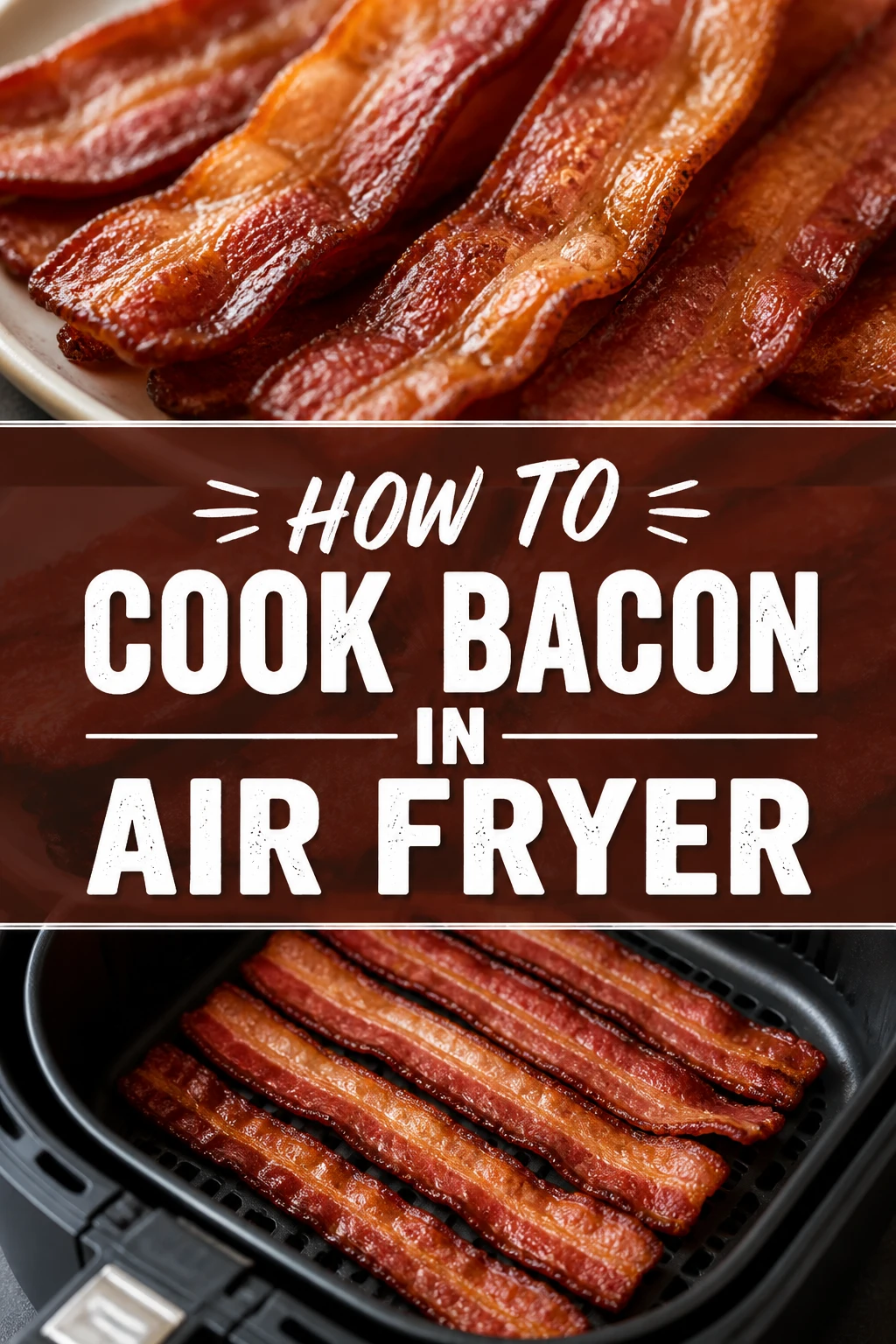
🌟 How To Cook Bacon In Air Fryer
I used to spend my Sunday mornings dodging hot grease splatters while hovering over a heavy cast-iron skillet.
After switching to the air fryer, I realized I could get restaurant-quality crispiness without the mess or the constant supervision.
This guide is based on years of testing different bacon brands and air fryer models to give you the most reliable results possible.
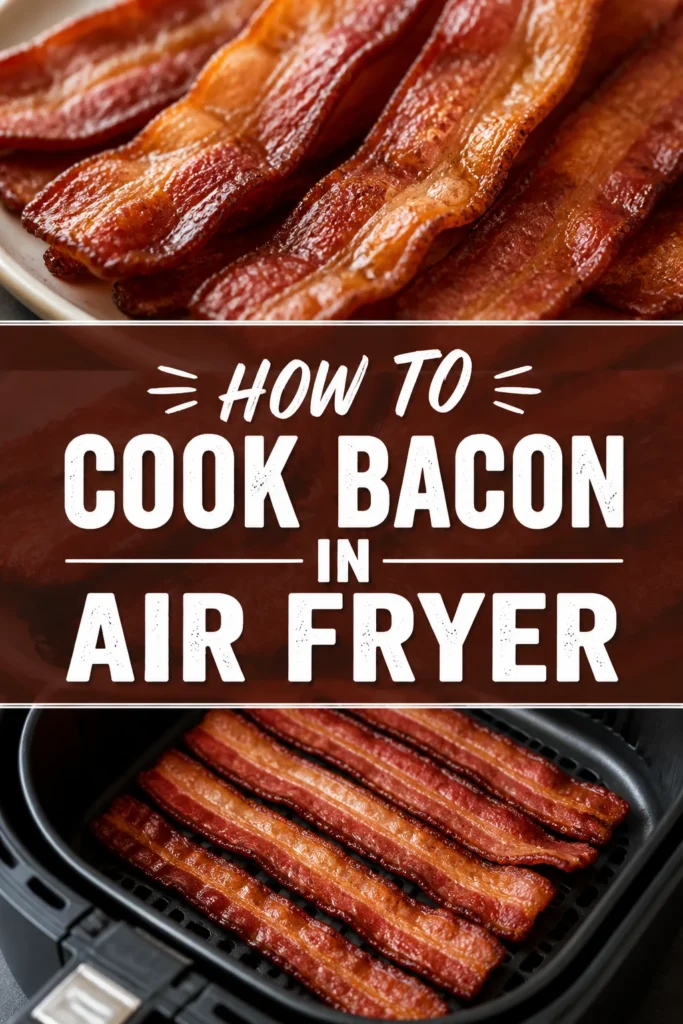
Quick Overview
Cooking bacon in an air fryer is the most efficient way to achieve a uniform crunch across every slice.
You will be able to prepare a full batch of bacon in less time than it takes for your oven to even finish preheating.
- Time needed: 8-12 minutes
- Difficulty: Beginner
- What you’ll need: Air fryer, tongs, paper towels, and your favorite bacon.
Step-by-Step Instructions
Step 1: Prep the Air Fryer Basket
Check your air fryer basket to ensure it is completely clean before you begin the cooking process.
Old grease or food particles left in the bottom of the tray can cause the machine to smoke when it reaches high temperatures.
Place a small piece of bread or a couple of tablespoons of water in the bottom drawer underneath the basket.
This simple trick helps catch the dripping fat and prevents it from hitting the hot metal, which is the primary cause of kitchen smoke.
Pro Tip: If you use the water method, only use enough to cover the bottom surface so it doesn’t splash onto the heating element.
Step 2: Choose Your Bacon Wisely
Select the type of bacon that fits your preference, keeping in mind that thickness significantly impacts cooking time.
Standard thin-cut bacon will crisp up very quickly, while thick-cut varieties require a slower cook to render the fat properly.
Avoid bacon with extremely high sugar content, such as heavy maple glazes, if you are a beginner.
Sugar burns much faster than the meat itself, which can lead to charred edges before the center of the strip is fully cooked.
Step 3: Arrange the Slices
Lay the bacon strips in the air fryer basket in a single, even layer without overlapping them significantly.
Air fryers rely on rapid air circulation to create crispiness, and if the slices are stacked, the air cannot reach the surfaces.
Trim the slices in half if they are too long to fit comfortably in your specific air fryer model.
It is perfectly fine if the edges slightly touch, as the bacon will shrink in size as the fat begins to render out.
Pro Tip: Do not overcrowd the basket; it is better to cook two quick batches than one soggy, uneven batch.
Step 4: Set the Temperature
Adjust your air fryer temperature to 350°F (175°C) for most standard bacon types.
While some people prefer a higher heat of 400°F, a slightly lower temperature allows the fat to melt away without burning the delicate meat.
Use 350°F specifically for thick-cut bacon to ensure the center gets cooked through before the outside becomes too hard.
Lower temperatures also reduce the likelihood of the air fryer producing white smoke from the rendered grease.
Step 5: Set the Timer
Start with a timer set for 8 minutes if you are using standard thin-cut bacon.
For thick-cut bacon, you should initially set the timer for 10 to 12 minutes to account for the extra density.
Remember that air fryers vary in power, so the first time you try this, you should stay nearby to monitor the progress.
Checking the bacon early prevents a situation where a few extra seconds turn “crispy” into “burnt.”
Step 6: Flip for Perfection
Open the air fryer basket halfway through the cooking cycle to check on the progress of your bacon.
Use silicone-tipped tongs to flip each slice over, ensuring that both sides are exposed to the direct heat of the upper element.
Flipping isn’t strictly mandatory in all air fryer models, but it guarantees an even texture and prevents one side from being chewier than the other.
Rearrange any slices that may have blown around due to the high-velocity fan inside the machine.
Step 7: Monitor for Desired Crispiness
Check the bacon again once the timer goes off to see if it has reached your preferred level of crunch.
If the bacon looks a bit pale or floppy, add 1 to 2 minutes of cooking time and check it again immediately after.
Watch for the bubbles in the fat; when the bubbles become small and tight, the bacon is usually at peak crispiness.
Be aware that bacon will continue to firm up for a minute or two after it is removed from the heat source.
Pro Tip: If you like “bendy” bacon, pull it out just before it looks fully browned.
Step 8: Drain and Rest
Remove the bacon slices from the air fryer immediately using your tongs.
Transfer the hot strips to a plate lined with several layers of paper towels to soak up the excess rendered fat.
Allow the bacon to rest for at least two minutes before serving it to your guests or family.
This resting period is the secret to that perfectly brittle, crunchy texture that makes air fryer bacon so famous.
Step 9: Manage the Grease
Wait for the air fryer to cool down slightly before you attempt to handle the grease in the bottom tray.
Pour the liquid gold (bacon fat) into a glass jar if you want to save it for cooking vegetables or eggs later in the week.
Wipe the bottom of the air fryer with a paper towel while it is still warm to make the final cleanup much easier.
Never pour hot bacon grease down your kitchen sink, as it will solidify and cause major plumbing issues over time.
Common Mistakes to Avoid
Overlapping the Slices
Many people try to cram an entire package of bacon into the basket at once to save time. This causes the bacon to steam rather than fry, resulting in a rubbery and pale texture that lacks any crunch. Always stick to a single layer, even if it means doing multiple rounds.
Ignoring the Smoke Point
If you cook bacon at 400°F or higher, the fat reaches its smoke point very quickly. This can fill your kitchen with white smoke and leave a bitter, burnt taste on the meat. Keeping the temperature at 350°F or using the “bread trick” in the bottom of the unit prevents this issue entirely.
Leaving the Bacon in the Basket
Leaving the cooked bacon in the air fryer after the timer goes off is a recipe for disaster. The residual heat will continue to cook the meat, often turning perfectly done bacon into charred sticks. Furthermore, the bacon will sit in its own grease and lose the crispiness you worked so hard to achieve.
Using the Wrong Bacon Type
Very thin, “value pack” bacon often has a high water content and can fly around inside the air fryer. This causes the bacon to tangle up and cook unevenly. Opt for a mid-range or premium cut of bacon for the most consistent results in an air fryer environment.
Troubleshooting
The Air Fryer is Smoking
This is almost always caused by grease from the bacon dripping onto the bottom of the air fryer and burning. To fix this, stop the machine and place a slice of bread in the bottom drawer to soak up the oil. You can also add a small amount of water to the bottom tray to keep the grease cool.
The Bacon is Flying Around
Because air fryers use powerful fans, lightweight bacon slices can sometimes blow upward and get stuck in the heating element. You can solve this by placing a small, air-fryer-safe metal rack over the bacon to weigh it down. Alternatively, tuck the ends of the bacon slices under each other slightly to create a heavier “mat” of meat.
The Bacon is Crispy on the Edges but Raw in the Middle
This usually happens when the temperature is set too high or the slices were overlapping. Ensure your slices are completely flat and separated. If the problem persists, lower the temperature by 25 degrees and increase the cooking time by a few minutes to allow for a more even render.
Key Takeaways
- Temperature Control: 350°F is the sweet spot for most bacon to prevent smoke and ensure even cooking.
- No Overlap: Keep slices in a single layer to allow the air to circulate around the entire surface of the meat.
- The Smoke Trick: Use a slice of bread or a splash of water in the bottom of the air fryer to catch grease.
- Resting Period: Always let the bacon sit on paper towels for two minutes after cooking to reach maximum crispiness.
- Cleanliness Matters: Start with a clean basket to avoid old food smells and excess smoking.
Frequently Asked Questions
Do I need to preheat the air fryer for bacon?
Preheating is not strictly necessary for bacon, but it can help the fat start rendering immediately. If you do preheat, your cooking time will likely be 1-2 minutes shorter than if you start with a cold unit. For thick-cut bacon, starting cold can actually be beneficial as it allows the fat to melt more slowly as the machine warms up.
Can I cook turkey bacon in the air fryer?
Yes, turkey bacon works exceptionally well in an air fryer because it has much less fat than pork bacon. Since there is less grease, you won’t have to worry about smoke issues. Turkey bacon usually cooks faster, often taking only 5 to 7 minutes at 360°F, so keep a close eye on it during the final minutes.
How do I reheat leftover air fryer bacon?
The air fryer is actually the best tool for reheating bacon that has been stored in the fridge. Simply place the cold slices back into the basket at 350°F for about 2 to 3 minutes. It will come out tasting exactly as it did when it was first cooked, regaining all of its original crunch.
Is air fryer bacon healthier than pan-fried bacon?
Air frying can be slightly healthier because the bacon sits on a rack, allowing the rendered fat to drip away from the meat. In a frying pan, the bacon typically sits in its own grease for the duration of the cooking process. However, the nutritional content of the meat itself remains largely the same regardless of the method used.
Our Top Recommended Finds
- Silicone-Tipped Tongs: These are essential for flipping the bacon without scratching the non-stick coating of your air fryer basket.
- Glass Grease Jar: A dedicated container with a fine-mesh strainer is perfect for saving your bacon drippings for future culinary projects.
- Pre-cut Parchment Liners: If you want the easiest cleanup possible, look for perforated parchment paper designed specifically for air fryers to allow air to flow through.
Bring On The Breakfast Feast
Now that you have mastered the art of air fryer bacon, you can focus on the rest of your breakfast spread.
Try experimenting with different seasonings, like cracked black pepper or a light dusting of brown sugar, to customize your flavors.
The consistent results of the air fryer mean you can spend less time cleaning up and more time enjoying your morning meal.
Grab a pack of your favorite bacon today and put these steps to the test for your next brunch.