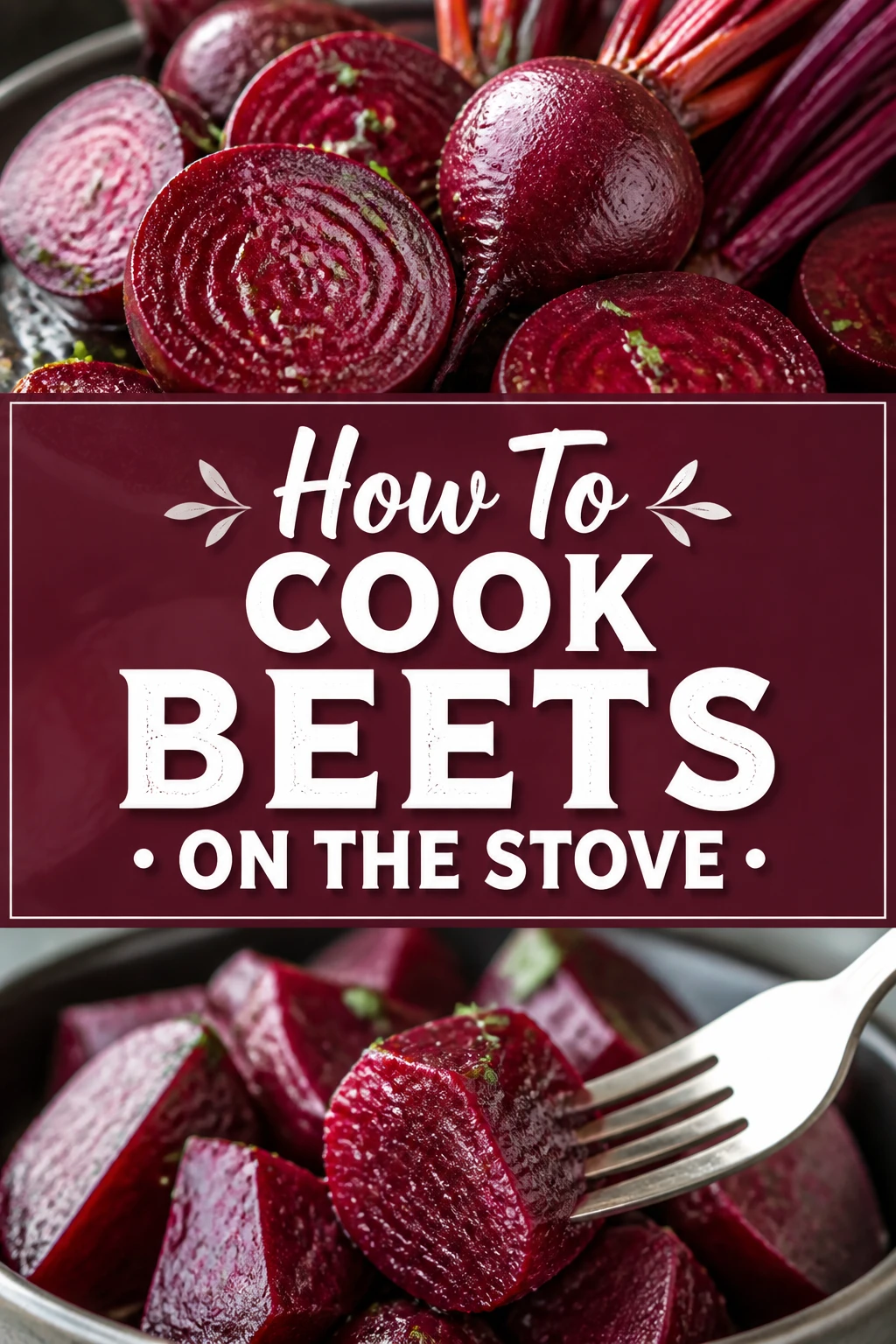
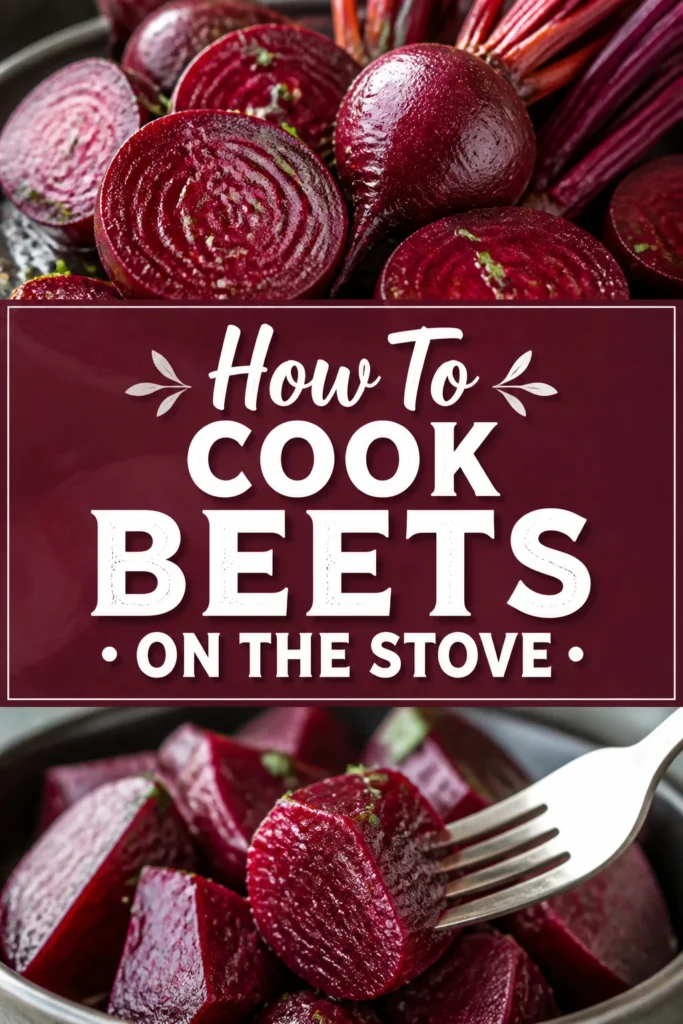
💜 How To Cook Beets On The Stove
For years, I avoided beets. Their earthy flavor felt intimidating, and the thought of stained hands put me off. But then I learned a simple stovetop method that changed everything.
Now, perfectly tender beets are a staple in my kitchen, easy to prepare and incredibly versatile. This guide shares my tried-and-true process, ensuring you get delicious results every time.
Quick Overview
You’re about to learn how to transform raw, earthy beets into tender, sweet, and vibrant culinary delights using just your stovetop. This method is straightforward and unlocks the full potential of this incredible root vegetable.
- Time needed: 40-70 minutes (depending on beet size)
- Difficulty: Beginner
- What you’ll need: Beets, large pot, water, tongs, cutting board, small knife or vegetable peeler.
Step-by-Step Instructions
Step 1: Choose and Prepare Your Beets
Select fresh, firm beets. Look for smooth skins and vibrant colors. Avoid any with soft spots or excessive blemishes.
Trim the greens and the long, stringy root tail. Leave about an inch of the stem attached to prevent the beet from “bleeding” its color during cooking. This also helps seal in their natural sweetness.
Rinse the beets thoroughly under cool running water. Gently scrub away any dirt clinging to the skin. Do not peel them at this stage.
Pro Tip: Keeping an inch of the stem attached is crucial. This small step makes a big difference in retaining the beet’s color and nutrients. If you cut too close, the color will leach out into the cooking water.
Step 2: Place Beets in a Pot
Arrange your cleaned, trimmed beets in a single layer at the bottom of a large pot. Choose a pot that allows them to fit without being overcrowded. Overcrowding can lead to uneven cooking.
Step 3: Add Water
Pour cold water over the beets until they are fully submerged. The water level should be about an inch or two above the top of the beets. This ensures consistent cooking.
You don’t need to add salt or any other seasonings at this stage. The goal is simply to cook them until tender.
Step 4: Bring to a Boil and Simmer
Place the pot on your stovetop over high heat. Bring the water to a rolling boil. This initial high heat helps kickstart the cooking process efficiently.
Once boiling, reduce the heat to medium-low. Cover the pot with a lid, allowing the beets to gently simmer. A gentle simmer is key for even cooking without over-agitating the beets.
Step 5: Cook Until Tender
Simmer the beets for 30 to 60 minutes, or even longer for very large beets. The cooking time depends heavily on their size and freshness. Smaller beets will cook faster than larger ones.
Check for doneness by carefully piercing a beet with a fork or the tip of a small knife. It should slide in easily with minimal resistance, similar to a baked potato. If it feels firm, continue simmering and check again in 10-15 minutes.
Pro Tip: Consistency is important. If you have beets of varying sizes, consider cooking them in separate batches or removing the smaller ones earlier as they become tender. This prevents some from overcooking while others are still firm.
Step 6: Cool and Peel
Once cooked, carefully remove the beets from the hot water using tongs. Transfer them to a colander or a bowl filled with ice water. This “ice bath” immediately stops the cooking process and makes them easier to handle.
Let the beets cool for 5-10 minutes. The skins will loosen considerably during this cooling period, making peeling much simpler. You can also let them cool completely, but warm beets are often easier to peel.
Peel the beets using your fingers, a small paring knife, or a vegetable peeler. The skin should slip off quite easily. If you find resistance, you might need to use a peeler. Wear gloves if you want to avoid staining your hands.
Step 7: Slice, Dice, or Store
After peeling, your beets are ready. Slice them into rounds, dice them into cubes, or quarter them depending on your recipe. They are now perfectly cooked and ready to be enjoyed.
If not using immediately, store cooked and peeled beets in an airtight container in the refrigerator for up to 5 days. They are excellent for meal prep.
Common Mistakes to Avoid
Cutting Too Much Off the Ends
Many people trim too aggressively, cutting off both the stem and the root completely before cooking. This mistake causes the beet’s vibrant red pigment to bleed out into the cooking water. Your beets will lose their beautiful color and some nutrients. Always leave about an inch of the stem and the root tail intact until after cooking.
Overcrowding the Pot
Trying to cook too many beets in a small pot can lead to uneven cooking. The beets on the bottom might cook faster than those on top, or some might remain firm in the center. Use a pot large enough to accommodate the beets in a single layer, ensuring they are fully submerged in water. This allows for consistent heat distribution.
Overcooking the Beets
While beets are forgiving, overcooking them can result in a mushy texture and a diminished flavor. They should be tender when pierced with a fork, but still hold their shape. Check for doneness regularly, especially towards the end of the cooking time, to avoid turning them into a soft pulp.
Peeling Before Cooking
Attempting to peel raw beets is a messy and unnecessary chore. Raw beet skins are tough and clingy. Cooking softens the skin significantly, making it incredibly easy to slip off with minimal effort, often just using your fingers. Always cook the beets with their skins on.
Troubleshooting
Beets Are Still Hard After Cooking
If your beets are still firm after the recommended cooking time, it usually means they were either very large or needed more time. Simply return them to the pot with enough water to cover. Continue simmering, checking for tenderness every 10-15 minutes until they are easily pierced with a fork. Ensure the water is gently bubbling.
My Hands Are Stained Red
Beet juice is a powerful dye, and it can easily stain skin and cutting boards. If your hands are stained, try rubbing them with a lemon slice or a mixture of baking soda and water. To prevent future stains, wear disposable gloves when handling cooked and peeled beets. For cutting boards, wash immediately or use a dedicated board for colorful vegetables.
Beets Taste Watery or Bland
This can happen if too much color and flavor leached into the water, often due to trimming too much of the stem and root. It can also occur if the beets were overcooked. Ensure you leave an inch of stem and root on during cooking. For bland beets, a little seasoning after cooking can help. Toss them with a drizzle of olive oil, a pinch of salt, pepper, and a splash of vinegar or citrus juice to brighten their flavor.
Key Takeaways
- Always leave an inch of stem and the root tail on beets during cooking to preserve color and nutrients.
- Cook beets in a single layer in a large pot, fully submerged in water, for even cooking.
- Simmer gently until fork-tender, checking regularly to avoid overcooking.
- Cool beets in an ice bath or let them cool completely to make peeling effortless.
- Peel cooked beets with your fingers or a paring knife; never peel them raw.
- Cooked beets are versatile and can be stored in the fridge for up to 5 days.
Frequently Asked Questions
Can I steam beets instead of boiling them?
Yes, steaming is an excellent alternative. It helps retain even more nutrients and color. Place the trimmed beets in a steamer basket above simmering water, cover, and steam until tender, usually 35-50 minutes depending on size. The doneness test remains the same.
Do I need to add salt to the cooking water?
No, it’s not necessary. Beets have a natural sweetness and earthy flavor that comes through beautifully without added salt during the cooking process. You can season them to taste after they are cooked and peeled.
What can I do with leftover beet greens?
Don’t throw them away! Beet greens are edible and highly nutritious. You can wash and sauté them like spinach or Swiss chard with garlic and olive oil. They make a delicious side dish or can be added to soups and stir-fries.
How can I use cooked beets?
Cooked beets are incredibly versatile. You can add them to salads, roast them with other vegetables, purée them into soups or dips like hummus, or even blend them into smoothies. They’re also delicious simply tossed with a vinaigrette as a side dish.
Our Top Recommended Finds
- Large Stainless Steel Pot: A heavy-bottomed pot ensures even heat distribution, preventing hot spots and sticking, which is essential for uniform cooking.
- Silicone Tongs: Perfect for safely transferring hot beets without scratching your pot, and they offer a good grip for delicate items.
- Vegetable Peeler: An ergonomic peeler with a sharp blade makes quick work of any stubborn beet skins, especially if you prefer not to use your fingers.
Embrace the Earthy Goodness
You now have all the knowledge and practical steps to confidently cook beets on your stovetop. No more avoiding this vibrant and nutritious root vegetable. The process is simpler than you might have imagined, and the rewards are delicious.
Don’t wait to try this method. Pick up some fresh beets today and experience their sweet, earthy flavor firsthand. Experiment with different seasonings and uses, and discover your new favorite way to enjoy them.