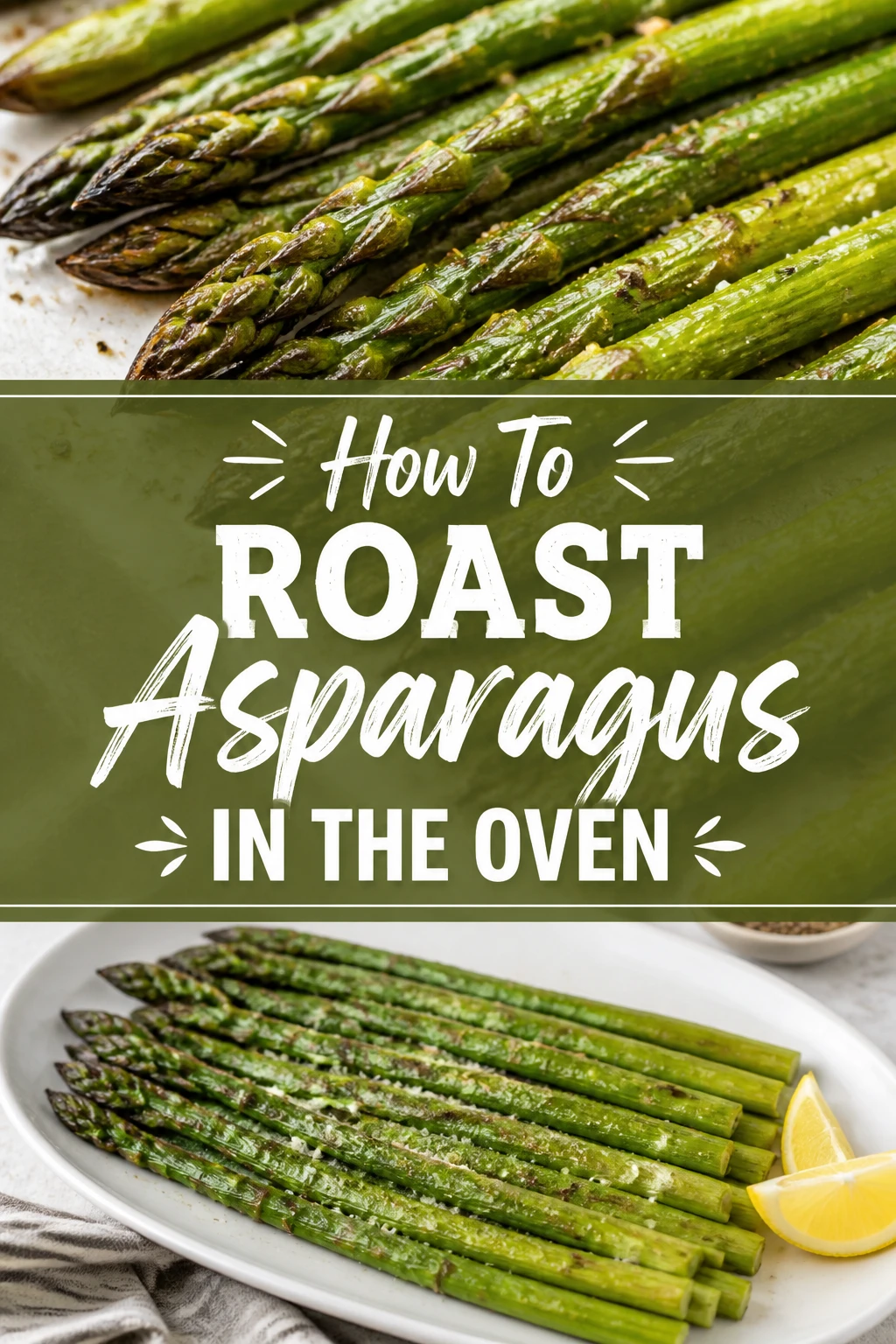
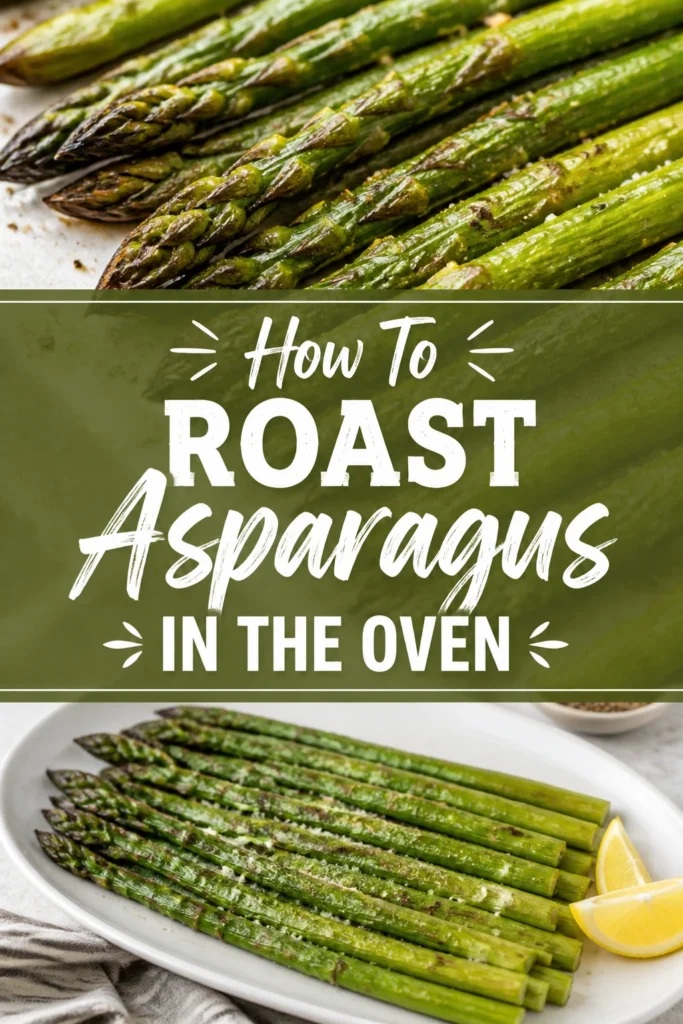
🌿 How To Roast Asparagus In The Oven
There’s nothing quite like perfectly roasted asparagus, tender-crisp and bursting with flavor.
This simple vegetable transforms into a star side dish with just a few basic steps and a hot oven.
Having roasted countless batches over the years, I’ve refined this method to consistently deliver delicious results, and I’m excited to share it with you.
Quick Overview
You are about to master the art of roasting asparagus, turning fresh spears into a delightful, savory treat with minimal fuss.
This guide will equip you with all the knowledge needed for consistently perfect results, whether you’re a kitchen novice or a seasoned cook.
- Time needed: 20-25 minutes (5 min prep, 15-20 min cook)
- Difficulty: Beginner
- What you’ll need: Asparagus, olive oil, salt, pepper, baking sheet, large bowl, tongs.
Step-by-Step Instructions
Step 1: Preheat Your Oven
Begin by preheating your oven to 400°F (200°C). A hot oven is crucial for achieving that desirable tender-crisp texture in your asparagus.
Allow the oven to fully come to temperature before placing your asparagus inside. This ensures even cooking from the moment the pan enters the heat.
Step 2: Prepare the Asparagus
Rinse your fresh asparagus under cool running water. Gently pat the spears dry with a clean kitchen towel or paper towels.
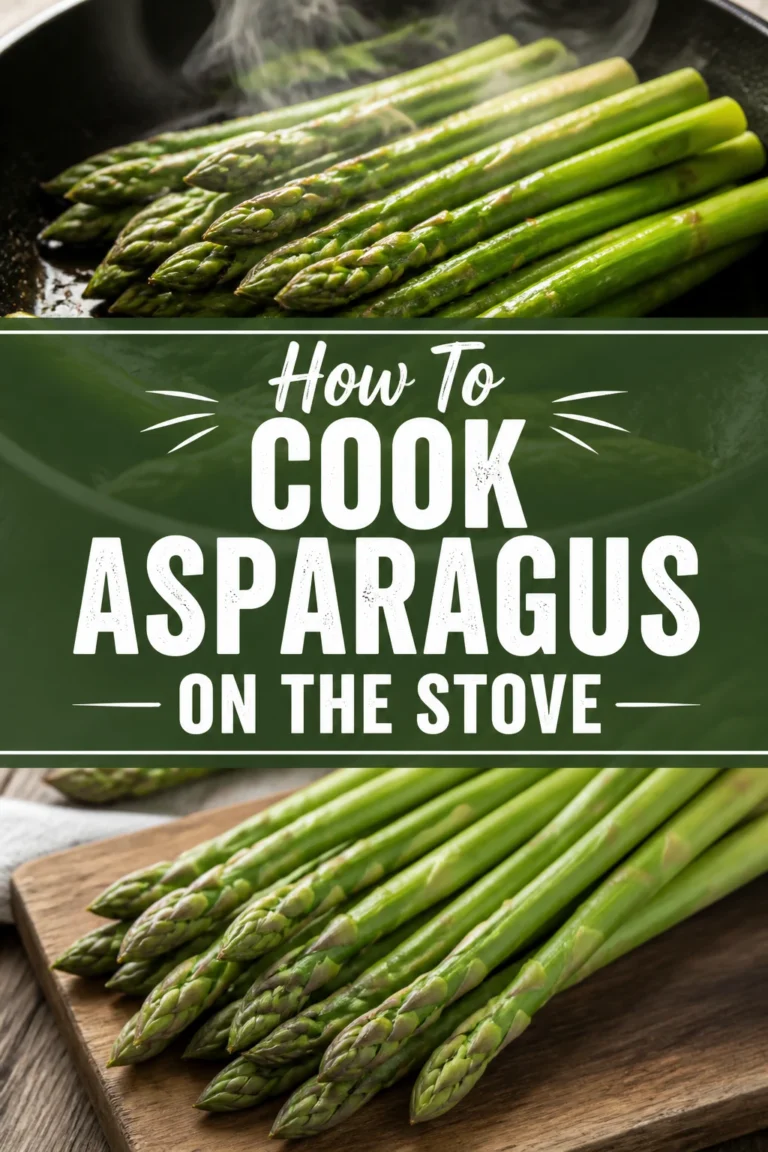
Next, you need to trim the woody ends. The easiest way is to hold an individual spear and bend it until it naturally snaps. It will break at the point where the tough, fibrous part meets the tender edible portion.
Alternatively, you can line up all the spears on a cutting board and cut off the bottom 1-2 inches. Discard the woody ends.
Pro Tip: Don’t skip drying the asparagus. Excess moisture can steam the asparagus instead of roasting it, preventing those lovely caramelized edges from forming.
Step 3: Season the Asparagus
Place the trimmed asparagus spears into a large bowl. Drizzle them generously with olive oil.
Use your hands or a pair of tongs to gently toss the asparagus, ensuring each spear is lightly coated in the oil. This oil helps with browning and prevents sticking.
Season the asparagus with a good pinch of salt and freshly ground black pepper. You can also add other seasonings at this stage if you like, such as garlic powder or onion powder.
Step 4: Arrange on a Baking Sheet
Transfer the seasoned asparagus from the bowl to a large baking sheet. It is important to spread the spears out in a single layer.
Avoid overcrowding the pan. If the asparagus is piled on top of itself, it will steam instead of roast, leading to a limp and soggy result.
If you have a large amount of asparagus, use two baking sheets to give them enough space. This ensures proper air circulation and even cooking.
Step 5: Roast Until Tender-Crisp
Place the baking sheet with the asparagus into your preheated oven. Roast for 10-15 minutes.
The exact cooking time will depend on the thickness of your asparagus spears. Thinner spears will cook faster, while thicker ones might need a little more time.
Halfway through the cooking time, you can gently shake the pan or use tongs to flip the asparagus. This promotes even browning on all sides.
Step 6: Check for Doneness
Remove the baking sheet from the oven after the suggested cooking time. Test a spear for doneness.
The asparagus should be tender when pierced with a fork but still have a slight crispness to it. It should also show some light browning and caramelization on the edges.
If it feels too firm, return it to the oven for another 2-3 minutes and check again. Be careful not to overcook, as it can become mushy.
Step 7: Serve Immediately
Transfer the roasted asparagus to a serving platter. A sprinkle of flaky sea salt can enhance the flavor and add a touch of elegance.
A squeeze of fresh lemon juice over the top just before serving brightens the flavors beautifully. The acidity complements the slight bitterness of the asparagus.
Roasted asparagus is best enjoyed hot, right out of the oven, when its texture is at its peak.
Common Mistakes to Avoid
Overcrowding the Baking Sheet
A frequent error is piling too many asparagus spears onto a single baking sheet. When vegetables are too close together, they release moisture, which then gets trapped.
This trapped moisture creates a steaming effect rather than a roasting one. Instead of crisp, caramelized edges, you end up with limp, soggy asparagus.
Always ensure your asparagus is spread in a single layer with a little space between each spear. Use a second baking sheet if necessary to give them room to breathe.
Under-Seasoning
Asparagus has a naturally mild flavor, and it truly benefits from proper seasoning. Simply drizzling with oil isn’t enough to bring out its best qualities.
Forgetting to add enough salt and pepper can leave your roasted asparagus tasting bland and uninspired. These basic seasonings are fundamental to enhancing any vegetable.
Be generous with your salt and pepper, and don’t hesitate to add other herbs or spices that complement asparagus, such as garlic powder or a pinch of red pepper flakes.
Using a Cold Oven
Placing asparagus into an oven that hasn’t reached its target temperature is another common pitfall. A cold or lukewarm oven extends cooking time and prevents proper browning.
The high heat of a fully preheated oven is what quickly caramelizes the sugars on the asparagus surface, giving it that delicious roasted flavor and slightly crisp exterior.
Always allow your oven at least 10-15 minutes to fully preheat before you put your baking sheet in. This ensures consistent heat and optimal roasting results.
Overcooking the Asparagus
While nobody wants raw asparagus, overcooking it is equally undesirable. Overcooked asparagus loses its vibrant green color, becomes mushy, and can develop an unpleasant sulfurous smell.
The goal is tender-crisp, meaning it should be easily pierced with a fork but still offer a slight resistance. It should not be limp or stringy.
Keep a close eye on your asparagus during the last few minutes of roasting. Start checking for doneness at the lower end of the recommended cooking time, especially if your spears are thin.
Troubleshooting
Asparagus is Limp and Soggy
If your roasted asparagus turns out limp and soggy, it’s highly likely that the pan was overcrowded. Too many spears on one sheet trap steam, preventing proper roasting.
The solution is to always spread your asparagus in a single layer, ensuring each spear has space around it. If you have a large batch, divide it between two baking sheets.
Another cause could be too much moisture on the asparagus before roasting. Always pat the spears thoroughly dry after washing to encourage browning.
Asparagus is Burnt on the Outside, Raw on the Inside
This issue usually points to an oven that’s too hot, or the asparagus was roasted for too long at a very high temperature without proper attention.
Ensure your oven temperature is accurate; an oven thermometer can help verify this. Adjust cooking time based on the thickness of your spears.
Try reducing the oven temperature slightly, or if the asparagus is very thick, you might need to cover the pan loosely with foil for the first part of cooking to steam it gently before uncovering to roast and brown.
Asparagus Lacks Flavor
If your roasted asparagus tastes bland, the most common reason is insufficient seasoning. Salt and pepper are essential flavor enhancers.
Make sure you’re using enough olive oil to coat the spears, as it helps distribute seasonings and promotes browning. Don’t be shy with the salt and freshly ground black pepper.
Consider adding other aromatics like garlic powder, a sprinkle of onion powder, or a dash of dried herbs like oregano or thyme to boost the flavor profile.
Key Takeaways
- Always preheat your oven to 400°F (200°C) for optimal roasting.
- Trim the woody ends of the asparagus and thoroughly dry the spears before seasoning.
- Coat asparagus evenly with olive oil, salt, and pepper for best flavor and texture.
- Arrange asparagus in a single layer on a baking sheet to prevent steaming and encourage browning.
- Roast for 10-15 minutes, adjusting time for spear thickness, aiming for tender-crisp.
- Avoid overcrowding the pan, under-seasoning, or using a cold oven for perfect results.
Frequently Asked Questions
Can I roast frozen asparagus?
While you can roast frozen asparagus, it won’t achieve the same crisp-tender texture as fresh. Frozen asparagus tends to release a lot of water as it cooks, leading to a softer, sometimes mushier result.
If using frozen, do not thaw it first. Roast it directly from frozen, perhaps at a slightly higher temperature (425°F/220°C) for a few extra minutes, to help evaporate the moisture and encourage some browning.
What are some good additions to roasted asparagus?
Roasted asparagus is incredibly versatile. After roasting, you can drizzle it with balsamic glaze for a sweet and tangy touch, or sprinkle it with grated Parmesan cheese while it’s still hot for a savory kick.
A squeeze of fresh lemon juice is always a welcome brightener. For a bit of heat, add red pepper flakes during the seasoning stage. Toasted nuts like slivered almonds also add a delightful crunch.
How do I store leftover roasted asparagus?
Leftover roasted asparagus should be stored in an airtight container in the refrigerator. It will keep well for 3-4 days.
While it won’t retain its original crispness, it’s still delicious reheated gently in the oven or microwave. It can also be enjoyed cold in salads or as part of a meal prep bowl.
Is it necessary to use olive oil?
Olive oil is highly recommended for roasting asparagus due to its flavor and high smoke point, which is suitable for the oven temperature used. It helps with caramelization and prevents sticking.
However, you can substitute other oils with a high smoke point, such as avocado oil or grapeseed oil, if you prefer. Avoid oils with low smoke points that might burn at 400°F (200°C).
Our Top Recommended Finds
- Large Rimmed Baking Sheets: Essential for spreading out vegetables in a single layer and preventing oil from dripping. Look for heavy-gauge aluminum for even heat distribution.
- Silicone Baking Mats: These non-stick mats make cleanup a breeze and help prevent delicate vegetables like asparagus from sticking to the pan.
- Tongs: Perfect for tossing asparagus with oil and seasonings, and for flipping them on the pan during roasting. Long-handled silicone-tipped tongs are ideal.
Embrace the Simplicity of Roasting
You’ve now learned the straightforward steps to transform humble asparagus into a truly delicious side dish. This method is incredibly forgiving and yields fantastic results every time.
Don’t wait for a special occasion; make roasted asparagus a regular feature on your dinner table. It pairs beautifully with almost any main course, from roasted chicken to grilled fish.
Grab a bunch of fresh asparagus on your next grocery run and put these tips into practice. Your taste buds will thank you for this simple, flavorful addition to your culinary repertoire.