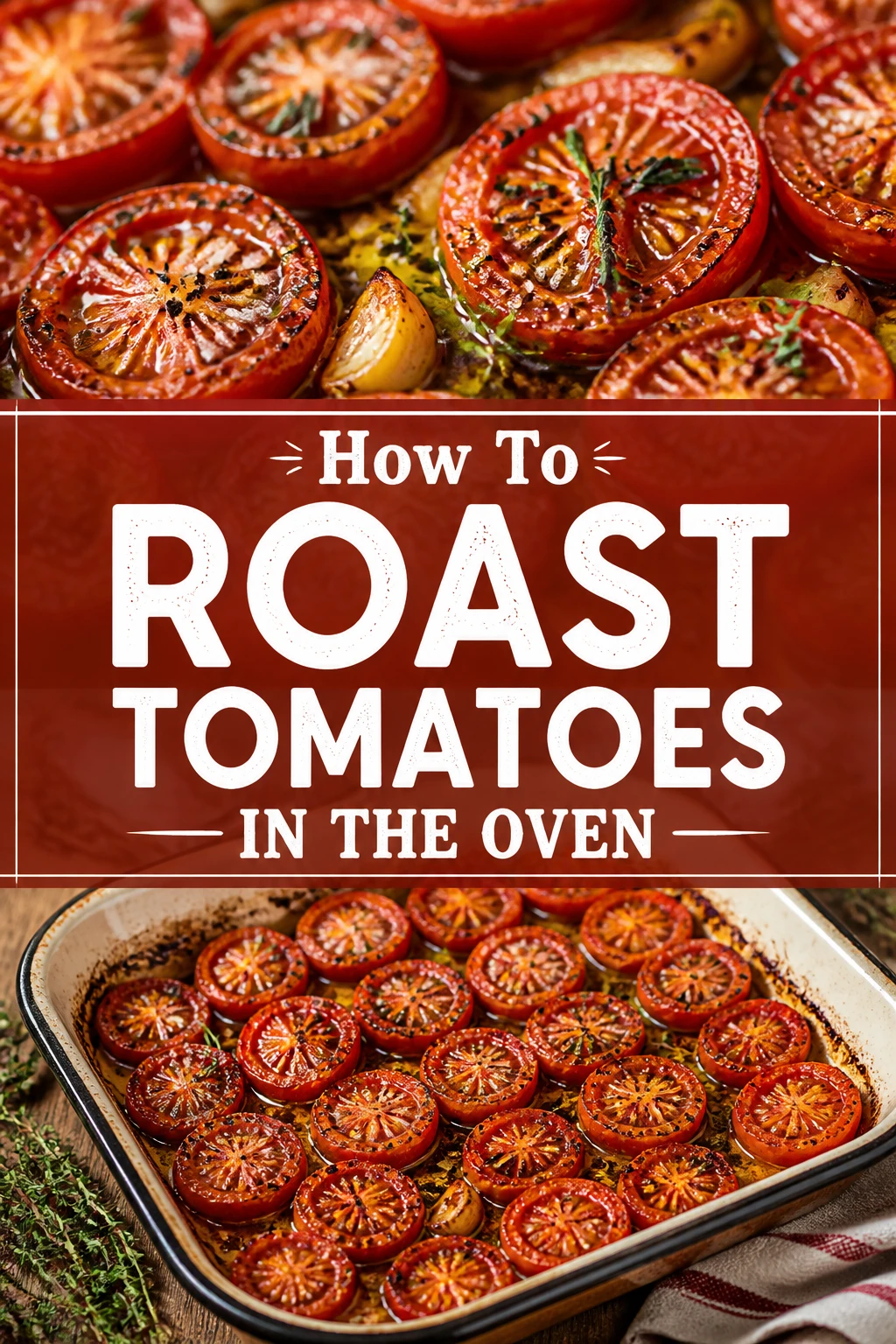
🍅 How To Roast Tomatoes In The Oven
Transforming fresh tomatoes into sweet, caramelized gems is simpler than you think. This guide will walk you through every step, ensuring perfect results every time. I’ve been roasting tomatoes for years, turning garden hauls and farmer’s market finds into incredible dishes. My methods are tried and true, guaranteeing deliciousness for your kitchen.
Quick Overview
You’re about to discover how easy it is to bring out the best in your tomatoes, creating a versatile ingredient for countless meals. This process enhances their natural sweetness and deepens their flavor profile dramatically. Get ready for a simple yet impactful cooking technique.
- Time needed: 45-75 minutes (including prep)
- Difficulty: Beginner
- What you’ll need: Tomatoes, olive oil, salt, pepper, baking sheet, knife, cutting board
Step-by-Step Instructions
Step 1: Gather Your Tomatoes
Choose the right tomatoes for roasting. Ripe, in-season tomatoes will yield the best flavor. Cherry, grape, Roma, or even larger slicing tomatoes cut into wedges all work wonderfully.
Aim for firm, brightly colored tomatoes. Avoid any that are overly soft, bruised, or have mold spots. The quality of your starting ingredient directly impacts the final taste.
Pro Tip: Mixing different varieties of tomatoes adds complexity to the roasted batch, offering a delightful range of textures and flavors. Don’t be afraid to experiment with a colorful medley.
Step 2: Wash and Prepare Them
Rinse your tomatoes thoroughly under cool running water. Pat them dry with a clean kitchen towel or paper towels. Excess moisture can steam the tomatoes instead of roasting them, hindering proper caramelization.
For smaller tomatoes like cherry or grape, you can leave them whole. Larger tomatoes should be cut into halves, quarters, or thick wedges. Ensure pieces are roughly uniform in size for even cooking.
If using Roma tomatoes, halving them lengthwise is usually ideal. For beefsteak or other large varieties, aim for pieces about 1-1.5 inches thick. This ensures a good surface area for roasting.
Step 3: Season Generously
Place the prepared tomatoes into a large mixing bowl. Drizzle them generously with good quality olive oil. The oil helps them caramelize and prevents sticking to the baking sheet.
Next, sprinkle them with sea salt and freshly ground black pepper. Don’t be shy with the seasoning; tomatoes can handle a good amount. You can also add dried herbs like oregano, thyme, or a pinch of red pepper flakes for extra flavor.
Toss everything together gently with your hands or a spatula. Make sure each tomato piece is coated evenly with oil and seasonings. This ensures every bite is flavorful and perfectly roasted.
Step 4: Arrange on a Baking Sheet
Line a large baking sheet with parchment paper or a silicone baking mat. This prevents sticking and makes cleanup much easier. Avoid aluminum foil unless you lightly oil it, as tomatoes can sometimes react with aluminum.
Spread the seasoned tomatoes in a single layer on the prepared baking sheet. Ensure there’s enough space between each piece. Overcrowding the pan will cause the tomatoes to steam rather than roast, leading to a less desirable texture.
If you have too many tomatoes for one sheet, use a second one. Giving them room to breathe is crucial for achieving that delicious caramelized exterior and tender interior. A little breathing room goes a long way.
Step 5: Preheat Your Oven
Set your oven to a temperature between 375°F (190°C) and 400°F (200°C). A slightly higher temperature encourages caramelization, while a lower one allows for slower, more even cooking. I generally prefer 400°F for a quicker roast.
Allow the oven to fully preheat before placing the tomatoes inside. This usually takes about 15-20 minutes after the temperature light indicates it’s ready. A hot oven is key to initiating the roasting process effectively.
A fully preheated oven ensures consistent heat from the moment the tomatoes enter. This prevents them from simply warming up slowly, which can lead to a mushy texture rather than a roasted one. Patience here pays off.
Step 6: Roast Until Tender and Caramelized
Bake the tomatoes for 30-45 minutes, depending on their size and your desired level of tenderness. Smaller tomatoes will cook faster than larger wedges. Keep an eye on them as they roast.
You’ll know they’re ready when they look slightly shriveled, deeply colored, and have some browned, caramelized edges. They should be soft and burst easily when gently pressed. The kitchen will fill with a wonderful aroma.
Halfway through the cooking time, you can gently toss the tomatoes or rotate the baking sheet. This helps ensure even roasting on all sides, although it’s not strictly necessary if they are well-spaced.
Step 7: Cool and Store
Remove the baking sheet from the oven once the tomatoes are perfectly roasted. Allow them to cool slightly on the pan. They will continue to soften a little as they cool.
Once cooled, transfer the roasted tomatoes to an airtight container. They can be stored in the refrigerator for up to 5-7 days. They are incredibly versatile and can be used in many dishes.
For longer storage, roasted tomatoes freeze beautifully. Spread them in a single layer on a baking sheet and freeze until solid, then transfer to a freezer-safe bag or container for up to 3 months. This is perfect for meal prep.
Common Mistakes to Avoid
Overcrowding the Baking Sheet
Many people try to fit too many tomatoes onto a single baking sheet. This is a common pitfall that prevents proper roasting. When tomatoes are too close, they release moisture, creating steam.
Instead of caramelizing and browning, the tomatoes end up steaming in their own juices. This results in soft, watery tomatoes rather than intensely flavored, roasted ones. Always use two baking sheets if needed, ensuring a single layer with space.
Not Drying the Tomatoes Properly
Putting wet tomatoes directly into the oven can also lead to steaming. Any excess water on the surface will evaporate first, cooling the baking environment around the tomatoes. This delays the browning process significantly.
Always pat your washed tomatoes thoroughly dry before seasoning them. This small step makes a big difference in achieving those desirable crispy, caramelized edges. A dry surface is essential for good roasting.
Under-Seasoning
Tomatoes, especially when roasted, can handle a generous amount of seasoning. Some cooks are too timid with salt and pepper, which leaves the final product tasting bland. The roasting process concentrates flavors, but it also means seasonings need to be present.
Don’t be afraid to season them well with salt, pepper, and any herbs you choose. A good pinch of salt enhances their natural sweetness and helps draw out moisture, aiding in caramelization. Taste a small piece after roasting and adjust if needed.
Troubleshooting
Tomatoes are Steamed, Not Roasted
If your tomatoes look pale and soft instead of browned and caramelized, they likely steamed. This usually happens because the baking sheet was overcrowded or the tomatoes were wet. The oven temperature might also have been too low.
To fix this, ensure tomatoes are dry and spread in a single layer with ample space between them on the baking sheet. Increase the oven temperature slightly, perhaps to 400°F (200°C), for better browning next time. A little more heat helps immensely.
Tomatoes are Burnt on the Outside, Raw Inside
This issue suggests the oven temperature was too high, or the tomatoes were roasted for too long without checking. The exterior cooks much faster than the interior, leading to a burnt surface while the middle remains firm. Different sizes of tomatoes can also contribute.
Lower your oven temperature slightly, perhaps to 375°F (190°C), and roast for a longer duration. You can also cut larger tomatoes into smaller, more uniform pieces. Tossing them halfway through can also help prevent uneven cooking.
Lack of Flavor
If your roasted tomatoes taste somewhat flat or unexciting, it’s likely due to under-seasoning or using unripe tomatoes. Roasting concentrates flavor, but it can’t create it where none exists. Good quality, ripe tomatoes are paramount.
Make sure you’re using ripe, in-season tomatoes for the best natural sweetness and acidity. Be more generous with salt, pepper, and any chosen herbs or spices. A drizzle of balsamic glaze after roasting can also elevate the flavor significantly.
Key Takeaways
- Always choose ripe, good-quality tomatoes for optimal flavor.
- Cut tomatoes into uniform pieces and dry them thoroughly before seasoning.
- Season generously with olive oil, salt, and pepper; add herbs for extra depth.
- Arrange tomatoes in a single layer on a parchment-lined baking sheet to prevent steaming.
- Roast at 375-400°F (190-200°C) until tender and deeply caramelized.
- Store roasted tomatoes in the fridge for up to a week or freeze for longer preservation.
Frequently Asked Questions
Can I roast frozen tomatoes?
While you can technically roast frozen tomatoes, the results won’t be as good as fresh. Frozen tomatoes release a lot of water as they thaw, leading to a much softer, sometimes mushy texture. They are better suited for sauces or soups rather than a side dish.
For best results, always use fresh tomatoes for roasting. If you must use frozen, thaw them first and pat them extremely dry before seasoning to minimize excess moisture. This helps them achieve a somewhat better texture.
What kind of olive oil should I use?
Use a good quality extra virgin olive oil for roasting tomatoes. It adds a lovely fruity note and helps with caramelization. Since you’re using a fair amount, choose one you enjoy the flavor of.
You don’t need your most expensive finishing oil, but avoid very cheap, flavorless oils. A standard, good quality EVOO from the supermarket will work perfectly and enhance the tomato’s natural flavors.
Can I add other vegetables to the pan?
Absolutely! Roasting tomatoes alongside other vegetables is a fantastic idea. Bell peppers, onions, zucchini, or garlic cloves all roast beautifully with tomatoes. Ensure all vegetables are cut to a similar size for even cooking.
Keep in mind that some vegetables release more water than others, so you might need to adjust roasting time slightly. Garlic, in particular, becomes incredibly sweet and mellow when roasted alongside tomatoes.
How can I use roasted tomatoes?
Roasted tomatoes are incredibly versatile. They are delicious as a side dish, tossed with pasta, added to salads, or spread on toast with ricotta. You can also blend them into a rich tomato sauce, soup, or even a flavorful dip.
They elevate sandwiches, pizzas, and omelets. Consider them a flavor booster for almost any savory dish. Their concentrated sweetness and umami notes make them a pantry staple once you start making them.
Our Top Recommended Finds
- Large Rimmed Baking Sheets: Essential for proper spacing and preventing juices from overflowing. Look for heavy-gauge aluminum for even heat distribution.
- Silicone Baking Mats: A reusable, non-stick alternative to parchment paper that makes cleanup effortless and ensures perfect release.
- Sharp Chef’s Knife: A good quality, sharp knife makes preparing tomatoes and other vegetables much safer and more efficient.
Embrace the Sweetness of Roasted Tomatoes
You’ve now mastered the simple art of roasting tomatoes, unlocking a world of concentrated flavor and culinary possibilities. This technique transforms humble produce into a star ingredient that will elevate countless dishes in your kitchen.
Don’t wait for a special occasion; grab some tomatoes today and experience the magic for yourself. Your next pasta dish, soup, or simple piece of toast will thank you. Experiment with different herbs and spices, or try roasting them with a head of garlic. The journey of delicious discovery has just begun.