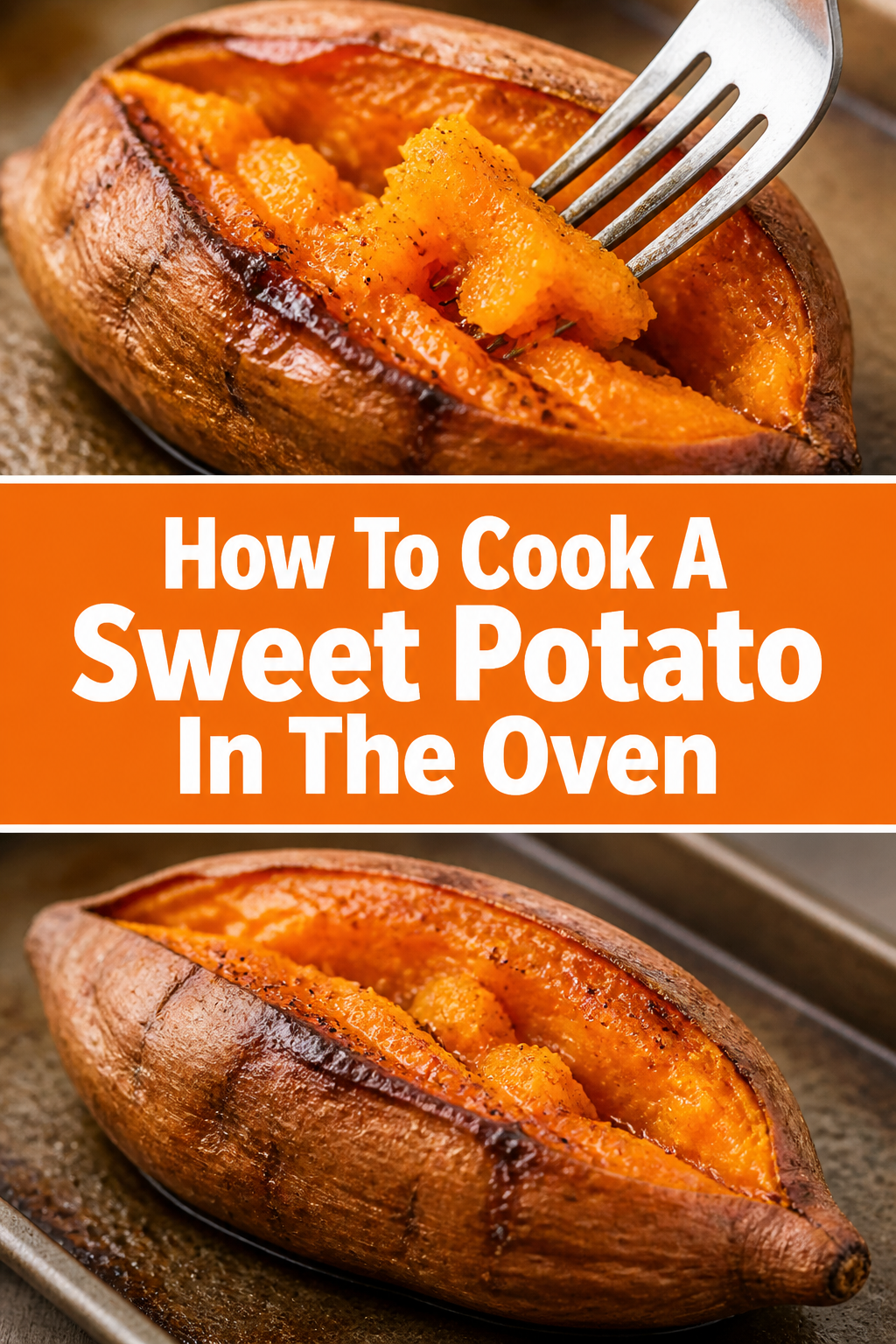
🍠 How To Cook A Sweet Potato In The Oven
I remember the first time I tried to bake a sweet potato; it came out hard in the middle and pale on the outside.
After years of testing different temperatures and techniques in my own kitchen, I have perfected the method for that pillowy, caramelized interior every time.
You can trust this guide because it relies on simple kitchen science to transform a humble root vegetable into a gourmet side dish.
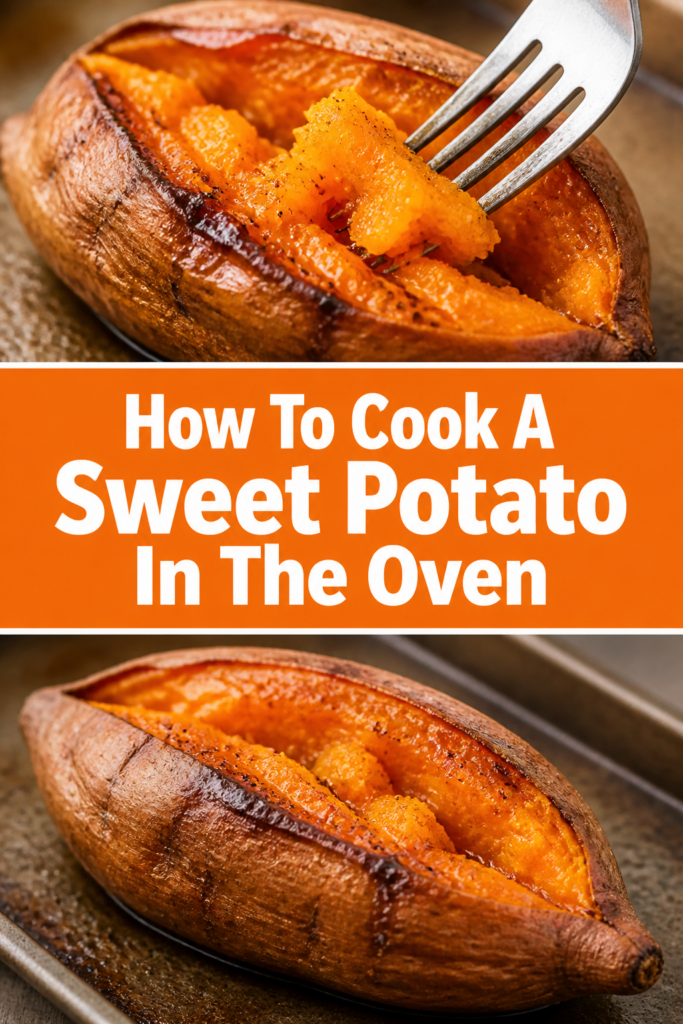
Quick Overview
Cooking a sweet potato in the oven is one of the most rewarding basic culinary skills you can master.
This method focuses on high-heat roasting to ensure the natural sugars migrate to the skin and create a candy-like glaze.
- Time needed: 45 to 60 minutes
- Difficulty: Beginner
- What you’ll need: Sweet potatoes, a baking sheet, a fork, and optional olive oil.
Step-by-Step Instructions
Step 1: Select the Perfect Specimens
Choose potatoes that are uniform in size so they finish cooking at the same time.
Look for firm skin without any soft spots, sprouts, or deep bruises which can indicate internal rot.
Opt for the orange-fleshed varieties like Garnet or Jewel if you want that classic moist and sweet texture.
Pro Tip: Smaller to medium-sized sweet potatoes often have a better sugar-to-starch ratio and cook more evenly than massive ones.
Step 2: Preheat Your Oven Thoroughly
Set your oven to 425°F (218°C) and allow it to fully reach temperature before sliding your tray inside.
Check your oven thermometer if you have one, as many ovens run cooler than the digital display suggests.
Position your oven rack in the center to ensure even air circulation around the entire potato.
Step 3: Scrub and Dry the Exterior
Wash each potato under cold running water using a dedicated vegetable brush to remove stubborn dirt.
Dry the potatoes completely with a clean kitchen towel or paper towel after washing.
Ensure there is no moisture left on the skin, as excess water will cause the potato to steam rather than roast.
Pro Tip: Bone-dry skin is the secret to achieving a slightly crispy, edible exterior that holds its shape.
Step 4: Create Steam Vents
Take a sturdy fork and prick the sweet potato five to seven times across its entire surface.
Insert the tines about half an inch deep to reach the flesh where steam builds up during the cooking process.
Avoid skipping this step, as the pressure inside a sealed potato can cause it to burst and create a mess in your oven.
Step 5: Prepare the Baking Sheet
Line a rimmed baking sheet with parchment paper or a silicone mat to catch any sugary drips.
Place the potatoes directly on the lined sheet, leaving at least two inches of space between each one.
Refrain from wrapping the potatoes in aluminum foil if you want a concentrated, sweet flavor and better texture.
Pro Tip: Wrapping in foil traps moisture, which results in a wet, boiled texture rather than a roasted one.
Step 6: Roast Until Caramelized
Slide the baking sheet into the oven and set a timer for 40 minutes to start.
Observe the potatoes toward the end of the cooking time to see if any dark, syrupy bubbles are forming near the fork holes.
Rotate the pan halfway through the process if your oven has known hot spots to ensure even browning.
Step 7: Test for Perfect Tenderness
Squeeze the sides of the potato gently using an oven mitt or a kitchen towel.
Feel for a soft, yielding interior that gives way easily without any resistance in the center.
Insert a paring knife into the thickest part; it should slide in and out like it is cutting through room-temperature butter.
Step 8: Allow for a Brief Rest
Remove the baking sheet from the oven and let the potatoes sit undisturbed for five to ten minutes.
Understand that carryover cooking continues to soften the fibers even after the heat source is gone.
Slice them open lengthwise and fluff the interior with a fork immediately before serving to release the final burst of steam.
Common Mistakes to Avoid
Using Too Low of a Temperature
Many people try to bake sweet potatoes at 350°F, thinking a slow roast is better for the vegetable.
This lower temperature fails to trigger the Maillard reaction, which is responsible for the deep, complex flavors we love.
Stick to 400°F or 425°F to ensure the starches convert to sugars quickly and the skin develops a roasted aroma.
Forgetting to Line the Pan
Sweet potatoes are incredibly high in natural sugar which leaks out as they reach peak doneness.
This syrup turns into a hard, blackened substance that is nearly impossible to scrub off a naked baking sheet.
Always use parchment paper or a foil liner on the pan itself to save yourself hours of cleanup later.
Crowding the Baking Sheet
If you pack too many potatoes onto one tray, they will lower the ambient temperature of the oven significantly.
The lack of airflow between the vegetables prevents the skin from drying out and becoming crisp.
Give each potato its own “personal space” so the hot air can circulate 360 degrees around the skin.
Troubleshooting
The Center is Still Hard
If the outside feels soft but the knife meets resistance in the middle, your oven might be running too hot on the surface.
Lower the temperature by 25 degrees and extend the cooking time by another 15 minutes to allow the heat to penetrate.
You can also tent the potatoes loosely with foil to stop the skin from burning while the middle finishes.
The Skin is Burnt but the Inside is Raw
This usually happens when the potato is placed too close to the bottom heating element of the oven.
Move your baking rack to the middle or upper-middle position for the next batch to balance the heat source.
Check if your potatoes were exceptionally large, as these require a slightly lower temperature for a longer duration.
The Potato is Dry and Stringy
Stringiness is often a result of the specific variety of potato rather than your cooking method.
Older potatoes that have been sitting in storage for months tend to lose moisture and become more fibrous.
Try to source fresh, local sweet potatoes and ensure you aren’t overcooking them past the point of softness.
Key Takeaways
- High heat is essential: Always aim for 400°F to 425°F to get the best flavor profile and texture.
- Skip the foil wrap: Roasting uncovered allows the skin to crisp and the sugars to concentrate through evaporation.
- Size matters: Try to cook potatoes of similar dimensions together to ensure they all finish at the same time.
- The squeeze test: Use your hand (protected by a mitt) to check for doneness rather than just relying on a timer.
- Prick for safety: Never forget to poke holes in the skin to prevent steam-related explosions.
- Let them rest: A five-minute rest period helps the internal moisture redistribute for a fluffier texture.
Frequently Asked Questions
Can I eat the skin of an oven-roasted sweet potato?
Yes, the skin is entirely edible and contains a significant portion of the potato’s fiber and nutrients. When roasted at high heat without foil, the skin becomes slightly chewy and flavorful, making it a great addition to the dish.
Do I need to rub the skin with oil before baking?
While oil is not strictly necessary, rubbing a small amount of olive oil or avocado oil on the skin can help it crisp up. It also helps the salt and pepper stick to the exterior if you choose to season the outside before roasting.
How long do roasted sweet potatoes last in the fridge?
Cooked sweet potatoes stay fresh in an airtight container for up to five days. They are excellent for meal prepping because they reheat well in the microwave or back in the oven for a few minutes.
Why did my sweet potato leak sticky juice?
That sticky juice is actually a good sign; it is the natural maltose sugar caramelizing and escaping through the vents you poked. It indicates that the potato has reached a high internal temperature and will be very sweet and tender.
Our Top Recommended Finds
- Heavy-Duty Rimmed Baking Sheet: A thick aluminum pan prevents warping at high temperatures and ensures even heat distribution.
- Natural Bristle Vegetable Brush: This tool is vital for removing dirt from the nooks and crannies of the potato skin without tearing it.
- Pre-cut Parchment Paper Sheets: These make cleanup effortless and prevent the caramelized sugars from sticking to your cookware.
Elevate Your Next Meal With This Simple Technique
Now that you have mastered the art of the perfect oven-roasted sweet potato, you can experiment with endless flavor combinations.
Try topping your finished potato with a dollop of Greek yogurt and chives for a savory twist, or stick to the classic butter and cinnamon for a sweet treat.
You might also consider slicing your roasted potatoes into thick rounds for a salad or mashing them into a vibrant side dish for a holiday gathering.
The skills you practiced today are the foundation for dozens of other roasted vegetable recipes in your culinary repertoire.
Grab a bag of sweet potatoes from the market today and put these steps into practice while the tips are fresh in your mind.