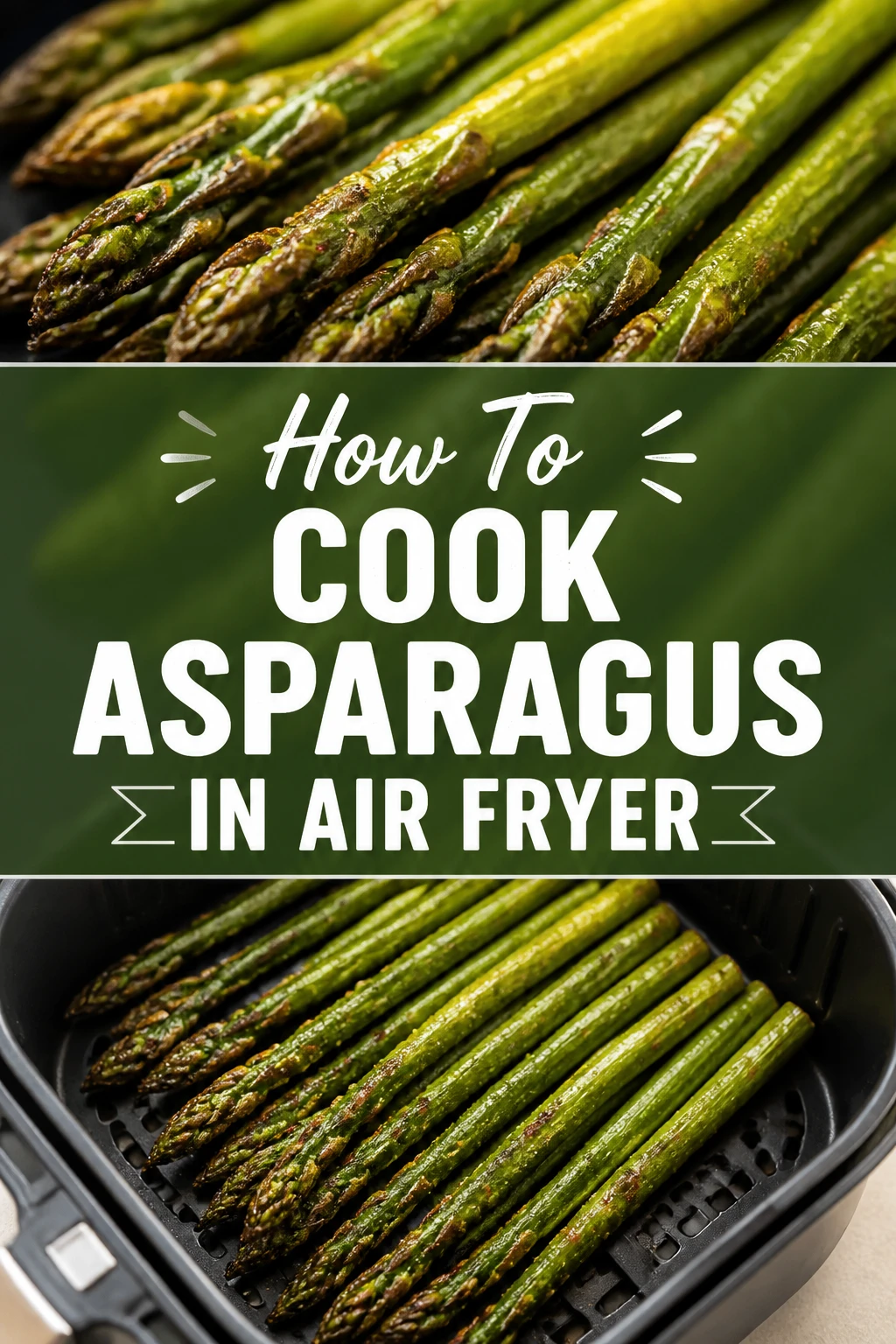
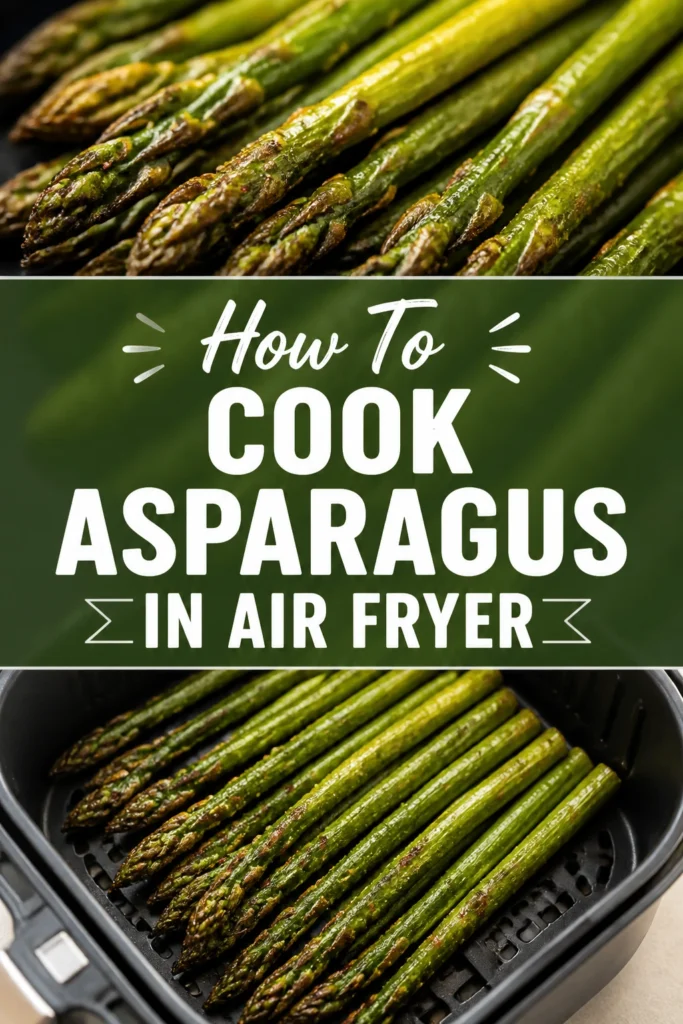
🥦 How To Cook Asparagus In Air Fryer
Cooking vegetables often feels like a balancing act between achieving the perfect texture and keeping things quick enough for a weeknight meal.
I have spent years testing different roasting methods, but the air fryer has completely changed how I approach side dishes.
This guide comes from my personal experience of trial and error to ensure you get crispy tips and tender stalks every single time.
Quick Overview
You are about to learn the most efficient way to prepare fresh asparagus that tastes like it came from a high-end bistro.
This method uses high-heat convection to mimic the results of a traditional oven in a fraction of the time.
- Time needed: 10-12 minutes total
- Difficulty: Beginner
- What you’ll need: Fresh asparagus, olive oil, salt, pepper, and an air fryer
Step 1: Select Your Asparagus
The success of this dish starts at the grocery store or farmer’s market.
Look for spears that are firm to the touch and have tightly closed tips.
Avoid any bunches where the tips look wet, mushy, or are starting to spread out.
The thickness of the stalks is a matter of preference, but it will change your cooking time significantly.
Pencil-thin stalks are great for a quick crunch, while thicker stalks provide a more substantial, meaty bite.
Pro Tip: Try to choose a bunch where all the spears are roughly the same diameter so they cook at the same rate.
Step 2: Wash and Thoroughly Dry
Rinse your asparagus under cold running water to remove any grit or sand trapped in the tips.
This is a crucial step because the tips act like little nets for soil.
Once washed, lay the spears out on a clean kitchen towel or several layers of paper towels.
Pat them dry until there is no visible moisture left on the surface.
If the asparagus is wet when it goes into the air fryer, it will steam rather than roast.
Steaming leads to a limp, soggy texture that lacks the characteristic charred flavor we want.
Step 3: Trim the Woody Ends
The bottom inch or two of an asparagus stalk is often tough and fibrous.
You can remove these ends by using the “snap” method or by cutting them with a sharp knife.
To snap them, hold a spear at the base and in the middle, then bend it until it breaks naturally.
The spear will usually break exactly where the woody part ends and the tender part begins.
If you prefer a cleaner look, line up the whole bunch on a cutting board and slice off the bottom two inches.
Discard the ends or save them in the freezer to make a vegetable stock later.
Step 4: Season for Maximum Flavor
Place your trimmed and dried asparagus into a large mixing bowl or a rimmed baking sheet.
Drizzle about one tablespoon of high-quality olive oil or avocado oil over the spears.
Use your hands or tongs to toss the asparagus until every inch of every spear is lightly coated.
Sprinkle with a generous pinch of kosher salt and freshly cracked black pepper.
You can also add garlic powder, onion powder, or a pinch of red pepper flakes at this stage.
Avoid using fresh minced garlic right now, as it tends to burn at high air fryer temperatures.
Pro Tip: Using a bowl to toss the asparagus ensures better oil coverage than spraying them while they are already in the air fryer basket.
Step 5: Preheat Your Air Fryer
Many people skip preheating their air fryer, but it makes a noticeable difference for vegetables.
Set your air fryer to 400°F (200°C) and let it run for about 3 to 5 minutes.
Starting with a hot basket allows the asparagus to begin searing the moment it touches the surface.
This immediate heat helps lock in the bright green color and prevents the stalks from becoming gray and overcooked.
A preheated basket also helps prevent the vegetables from sticking to the bottom grate.
Step 6: Arrange in a Single Layer
Open the air fryer drawer and carefully place the seasoned asparagus inside.
The most important rule for air frying is to avoid overcrowding the basket.
Arrange the spears in a single layer, leaving a small amount of space between them for air to circulate.
If the air cannot move around the spears, they will cook unevenly and fail to crisp up.
If you are cooking a large amount, it is much better to cook in two separate batches.
Small batches result in a superior texture that is worth the extra few minutes of waiting.
Step 7: Set the Timer and Cook
Slide the basket back into the machine and set the timer for 7 minutes.
The exact timing depends on the thickness of your asparagus and the power of your specific air fryer model.
Thin spears usually take between 6 and 8 minutes to reach perfection.
Thicker spears may require 9 to 11 minutes to become tender in the center.
I recommend checking the progress around the 5-minute mark to ensure nothing is burning.
You want to see the tips turning a dark golden brown and the skins starting to blister slightly.
Step 8: Shake or Flip Halfway Through
When the timer hits the halfway point, pull the basket out and give it a gentle shake.
Alternatively, use a pair of silicone-tipped tongs to roll the spears over.
This ensures that the side touching the bottom of the basket also gets exposed to the direct hot air.
Flipping the spears promotes even browning and a consistent snap in every bite.
Work quickly so the air fryer does not lose too much heat while the drawer is open.
Step 9: Test for Doneness
Once the timer goes off, use a fork or a small paring knife to pierce the thickest part of a stalk.
The knife should slide in with very little resistance, but the vegetable should still have some “bite.”
If the asparagus is still too firm, add 1 or 2 more minutes to the cooking time.
Keep a close eye on it during these final minutes, as vegetables can go from perfect to burnt very quickly.
Remember that the asparagus will continue to cook for a minute or two from residual heat once removed.
Step 10: Add Finishing Touches
Transfer the hot asparagus to a serving platter immediately to stop the cooking process.
This is the perfect time to add fresh ingredients that would have burned in the air fryer.
Squeeze a fresh lemon wedge over the top to brighten the flavors and cut through the oil.
Grate some fresh Parmesan cheese or sprinkle a tablespoon of nutritional yeast over the spears.
Fresh herbs like dill, parsley, or chives also make an excellent final addition.
Pro Tip: A drizzle of balsamic glaze or a sprinkle of toasted pine nuts can elevate this simple side dish into something gourmet.
Common Mistakes to Avoid
Crowding the Basket
When you pile asparagus on top of itself, the hot air cannot reach the surfaces of the stalks.
This leads to a “steaming” effect where the asparagus becomes soft and mushy rather than roasted.
Always prioritize a single layer, even if it means you have to eat in rounds or wait a bit longer.
Using Too Much Oil
While oil is necessary for browning, excessive amounts will drip to the bottom of the air fryer and may cause smoking.
It can also make the asparagus feel greasy rather than crisp.
A light, even coating is all you need to achieve that perfect roasted texture.
Neglecting the Drying Phase
Water is the enemy of a good roast in a convection environment.
Any droplets left on the spears will turn into steam, which prevents the Maillard reaction from occurring.
Take the extra thirty seconds to pat the spears dry with a towel before you add the oil.
Troubleshooting
The Tips are Burnt but the Stalks are Raw
This usually happens when the temperature is too high for very thick asparagus.
If you encounter this, lower the temperature to 370°F for the next batch and cook for a slightly longer duration.
You can also try placing the tips toward the center of the basket where the heat might be slightly less intense in some models.
The Asparagus is Shriveled and Dry
Shriveling is a sign that the asparagus was cooked for too long at a temperature that was too low.
The moisture inside the stalk evaporated before the outside had a chance to brown.
Next time, increase the heat to 400°F and shorten the cooking time to sear the exterior quickly.
Key Takeaways
- Always dry the asparagus completely after washing to ensure a crispy texture.
- Trim the woody ends by snapping or slicing to avoid a fibrous eating experience.
- Preheat the air fryer to 400°F to get an immediate sear on the vegetables.
- Keep the spears in a single layer to allow for proper air circulation.
- Adjust cooking times based on the thickness of the stalks, checking early to prevent burning.
- Add fresh lemon or cheese after cooking to maintain the best flavor profile.
Frequently Asked Questions
Can I cook frozen asparagus in the air fryer?
You can, but the texture will never be as crisp as fresh asparagus.
Do not thaw the asparagus before putting it in the air fryer, as this makes it extremely mushy.
Cook it directly from frozen at a high temperature, but be prepared for a softer result.
How do I store and reheat leftovers?
Store any leftover asparagus in an airtight container in the refrigerator for up to three days.
To reheat, put them back in the air fryer at 350°F for 2 to 3 minutes.
Avoid the microwave, as it will turn the spears into a limp and soggy mess.
What oil is best for air frying vegetables?
Oils with a high smoke point are best for the 400°F environment of an air fryer.
Avocado oil, light olive oil, or grapeseed oil are all excellent choices.
Extra virgin olive oil works well too, provided you don’t exceed its smoke point for too long.
Do I need to peel thick asparagus stalks?
Peeling is not strictly necessary, but it can improve the texture of very large, jumbo spears.
Use a vegetable peeler to remove the tough outer skin from the bottom half of the stalk.
This makes the entire spear tender and uniform in texture after cooking.
Our Top Recommended Finds
- Oil Sprayer Bottle: A refillable glass sprayer allows you to apply a fine, even mist of your favorite oil without the additives found in commercial cooking sprays.
- Silicone-Tipped Tongs: These are essential for flipping the asparagus without scratching the non-stick coating of your air fryer basket.
- Digital Kitchen Timer: While air fryers have built-in timers, a separate digital timer helps you track the “shake” intervals more precisely.
Elevate Your Next Meal
Mastering the air fryer for vegetables opens up a world of quick and healthy side dish possibilities.
Once you have perfected this asparagus recipe, try experimenting with other green vegetables like broccolini or green beans.
The same principles of drying, seasoning, and single-layer cooking apply across the board.
Pick up a fresh bunch of asparagus today and see how easy it is to achieve restaurant-quality results at home.