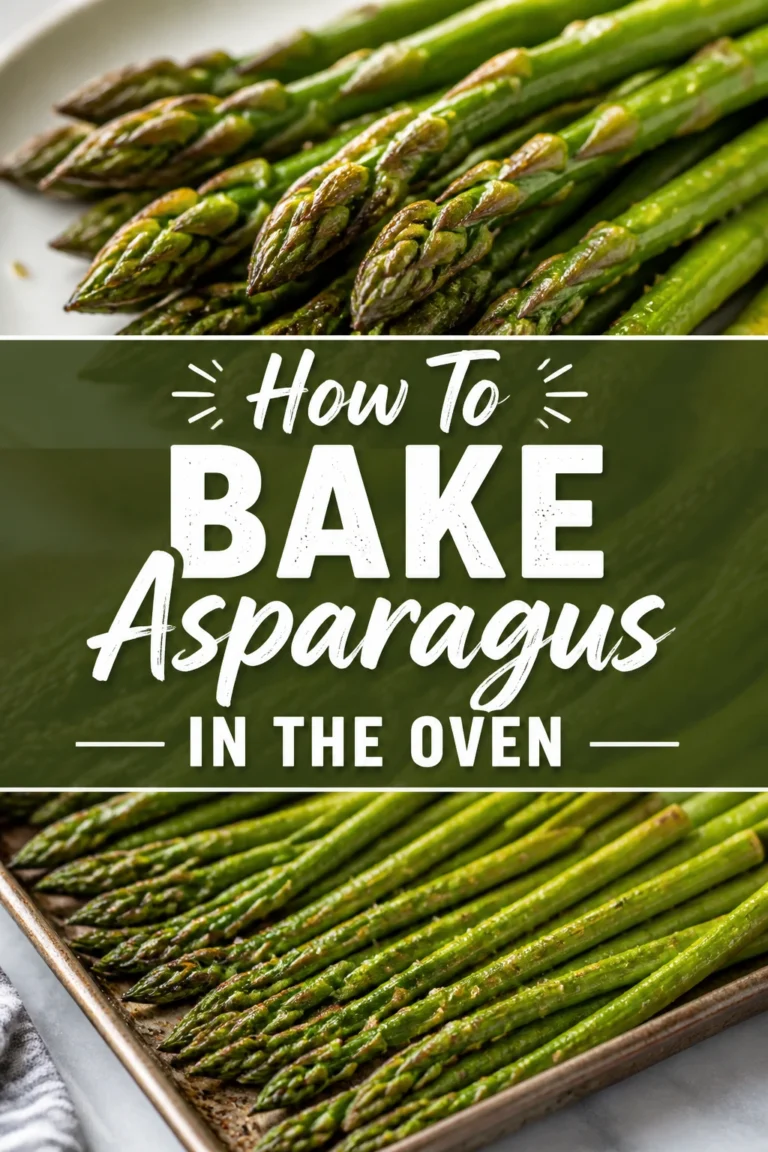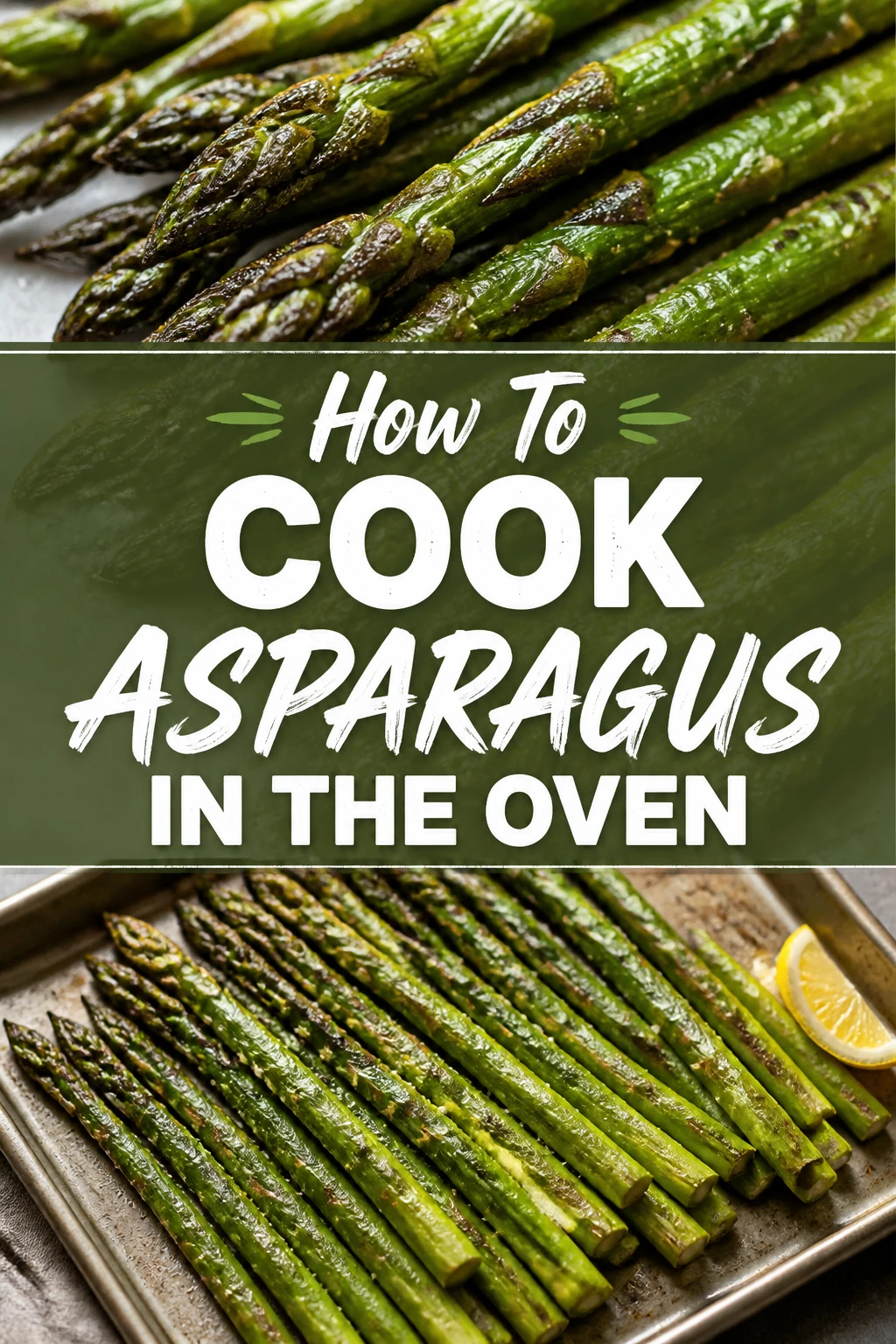
🌿 How To Cook Asparagus In The Oven
Cooking asparagus in the oven transforms this vibrant vegetable into a tender, flavorful side dish.
It’s a simple method that brings out its natural sweetness with minimal effort.
Having roasted countless batches myself, I’ve refined the process to consistently achieve perfectly crisp-tender results every time.
Quick Overview
You’re about to master the art of perfectly roasted asparagus. This guide will help you create a delicious, healthy side dish that pairs wonderfully with any meal.
- Time needed: 15-20 minutes (5 min prep, 10-15 min cook)
- Difficulty: Beginner
- What you’ll need: Fresh asparagus, olive oil, salt, black pepper, baking sheet
Step-by-Step Instructions
Step 1: Choose and Prepare Your Asparagus
Select fresh asparagus spears. Look for firm, bright green stalks with tightly closed tips.
Avoid any spears that appear wilted, discolored, or have mushy tips. Thinner spears tend to cook faster and more evenly.
Aim for a bunch that feels robust and snaps easily when bent. This indicates freshness and good quality.
Pro Tip: Fresh asparagus will “squeak” when rubbed together. This is a great indicator of its crispness and quality.
Step 2: Trim the Woody Ends
Wash your asparagus thoroughly under cool running water. Pat them dry completely with a clean kitchen towel or paper towels.
Next, you need to remove the tough, woody ends. These parts are fibrous and unpleasant to eat.
The easiest way to do this is to hold one spear firmly and bend it gently. It will naturally snap where the tender part meets the woody end.
Use this snapped spear as a guide for the rest of the bunch. Line up all the asparagus and chop off the ends at the same point with a sharp knife.
Step 3: Preheat Your Oven
Set your oven to a high temperature, typically between 400°F (200°C) and 425°F (220°C).
A hotter oven ensures the asparagus roasts quickly, caramelizing the outside while keeping the inside tender, not mushy.
Allow the oven to fully preheat for at least 10-15 minutes. This creates a consistent cooking environment and prevents uneven roasting.
Step 4: Season Your Asparagus
Place the trimmed asparagus spears into a large bowl. Drizzle them generously with olive oil.
About 1-2 tablespoons of olive oil for a pound of asparagus is usually sufficient. You want a light, even coating.
Toss the asparagus gently with your hands or tongs to ensure every spear is coated. This helps with browning and seasoning adherence.
Next, sprinkle the asparagus with salt and freshly ground black pepper. Start with about ½ teaspoon of salt and ¼ teaspoon of pepper, then adjust to your taste.
For an extra layer of flavor, consider adding a pinch of garlic powder or a squeeze of fresh lemon juice after roasting.
Pro Tip: Don’t be shy with the salt! It helps draw out moisture and enhances the natural flavors of the asparagus.
Step 5: Arrange on a Baking Sheet
Line a large baking sheet with parchment paper for easy cleanup. This also prevents the asparagus from sticking.
Spread the seasoned asparagus in a single layer on the prepared baking sheet. Ensure there’s plenty of space between each spear.
Avoid piling the asparagus. Overcrowding the pan will cause the vegetables to steam instead of roast, leading to a soggy texture.
If you have a large batch, use two baking sheets. Proper spacing is crucial for achieving that desirable crisp-tender texture.
Step 6: Roast to Perfection
Place the baking sheet with the asparagus into your preheated oven.
The cooking time will vary depending on the thickness of your asparagus spears and your desired level of doneness.
Generally, thin spears will cook in 8-12 minutes, while thicker spears might take 12-15 minutes.
Roast until the asparagus is bright green, slightly tender-crisp, and lightly browned in spots.
Step 7: Check for Doneness
Around the 8-minute mark, carefully remove the baking sheet from the oven.
Test a spear for doneness. It should be tender enough to easily pierce with a fork, but still have a slight snap to it.
The tips should be slightly browned and crispy. If it feels too firm, return it to the oven for a few more minutes.
Avoid overcooking, as this can lead to mushy, dull-colored asparagus. A quick check prevents this common mistake.
Step 8: Serve Immediately
Once cooked to your liking, remove the asparagus from the oven.
You can transfer it directly to a serving platter. A final sprinkle of flaky sea salt or a squeeze of fresh lemon juice can elevate the flavors.
Roasted asparagus is best enjoyed hot and fresh. It makes an excellent accompaniment to grilled meats, fish, or pasta dishes.
Its vibrant color and fresh taste add a touch of elegance to any meal.
Common Mistakes to Avoid
Overcrowding the Pan
Placing too many asparagus spears on one baking sheet is a common pitfall. When vegetables are packed together, they release moisture that gets trapped.
This trapped moisture prevents the asparagus from roasting properly. Instead of browning and crisping, the spears end up steaming, resulting in a soggy texture.
Always ensure your asparagus is spread in a single layer with space between each piece. Use two baking sheets if necessary to achieve the best results.
Overcooking
Asparagus cooks relatively quickly, especially when roasted at a high temperature. Leaving it in the oven for too long can turn it from tender-crisp to limp and mushy.
Overcooked asparagus loses its vibrant green color and can develop an unpleasant sulfurous taste. It also loses much of its nutritional value and appeal.
Keep a close eye on your asparagus during the last few minutes of cooking. Start checking for doneness early, around the 8-minute mark, to prevent this.
Under-seasoning
Asparagus has a delicate flavor that benefits greatly from proper seasoning. Using too little salt, pepper, or oil can result in a bland side dish.
The oil helps with browning and flavor distribution, while salt enhances the natural sweetness and savory notes of the vegetable.
Don’t be afraid to season generously before roasting. A final sprinkle of flaky salt or a squeeze of lemon juice after cooking can also brighten the flavors significantly.
Not Trimming Properly
The very ends of asparagus spears are tough and woody, making them unpleasant to eat. Failing to trim these parts can ruin the texture of your dish.
Eating woody ends can be stringy and chewy, detracting from the otherwise tender experience. It’s a small step that makes a big difference.
Always snap or cut off the bottom few inches of each spear. This ensures every bite is tender and enjoyable, enhancing the overall quality of your roasted asparagus.
Troubleshooting
Asparagus is Soggy
If your roasted asparagus comes out soggy instead of tender-crisp, the most likely culprit is overcrowding on the baking sheet.
When too many spears are packed together, moisture cannot evaporate, causing them to steam. Ensure a single layer with ample space between each spear for proper roasting.
Another reason could be insufficient oven temperature or not preheating fully. A hot oven is crucial for quick browning and preventing sogginess. Always preheat thoroughly.
Asparagus is Dry or Chewy
If your asparagus feels dry, tough, or chewy, it’s usually a sign of overcooking or not enough oil.
Overcooking at a high temperature can strip the asparagus of its moisture, leading to a fibrous texture. Reduce cooking time slightly and check for doneness earlier.
Ensure you’ve coated the spears adequately with olive oil before roasting. The oil helps keep them moist and promotes even cooking.
Uneven Cooking
Unevenly cooked asparagus, where some spears are tender and others are still firm, can happen for a few reasons.
Variations in spear thickness are a common cause. Try to select asparagus bunches with uniformly sized spears for consistent results.
If your oven has hot spots, rotate the baking sheet halfway through cooking. This ensures all the asparagus receives even heat exposure.
Key Takeaways
- Always choose fresh, firm asparagus with tightly closed tips.
- Trim the woody ends by snapping or cutting for a tender eating experience.
- Roast at a high temperature (400-425°F / 200-220°C) for quick, even cooking.
- Coat generously with olive oil and season well with salt and pepper.
- Arrange in a single layer on the baking sheet to prevent steaming and encourage browning.
- Check for doneness frequently to avoid overcooking and maintain a tender-crisp texture.
Frequently Asked Questions
Can I use thicker asparagus for roasting?
Yes, you can absolutely roast thicker asparagus spears. The main difference will be the cooking time. Thicker spears will typically require a few extra minutes in the oven, potentially 12-18 minutes, to reach the desired tenderness.
What about different seasonings?
Roasted asparagus is incredibly versatile! While salt, pepper, and olive oil are classic, feel free to experiment. Try adding garlic powder, onion powder, a sprinkle of red pepper flakes for heat, or a grating of Parmesan cheese during the last few minutes of cooking.
How do I store leftover roasted asparagus?
Store any leftover roasted asparagus in an airtight container in the refrigerator. It will keep well for 3-4 days. Reheat gently in the oven or microwave, though it may lose some of its crispness.
Is it okay to use cooking spray instead of olive oil?
While cooking spray can prevent sticking, it doesn’t offer the same flavor or browning benefits as olive oil. Olive oil helps caramelize the asparagus and contributes to a richer taste. For best results, a light coating of olive oil is recommended.
Our Top Recommended Finds
- Large Rimmed Baking Sheet: Essential for spreading out your asparagus in a single layer, preventing overcrowding. A good quality sheet ensures even heat distribution.
- Parchment Paper: Makes cleanup a breeze and prevents sticking, especially important when roasting delicate vegetables like asparagus.
- Silicone Tongs: Perfect for tossing asparagus with oil and seasonings, and for safely arranging and removing the hot spears from the baking sheet.
Embrace the Simplicity of Oven-Roasted Asparagus Today
You now have all the knowledge and practical steps to create perfectly roasted asparagus in your own kitchen. This simple technique transforms a humble vegetable into a star side dish.
Don’t just read about it; put these steps into action. Grab a bunch of fresh asparagus on your next grocery run and experience the delicious difference for yourself.
It’s a healthy, flavorful addition to any meal, proving that delicious cooking doesn’t have to be complicated.