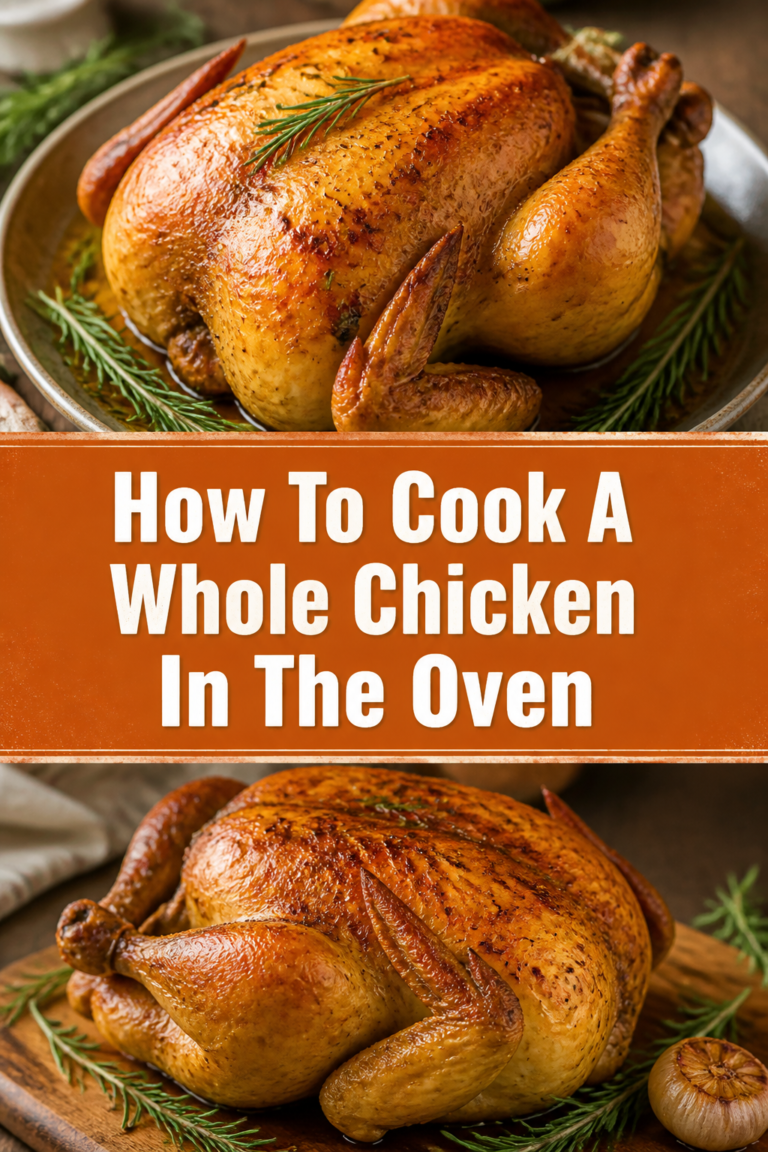
🍖 How To Bake Pork Chops In Oven
There’s a special satisfaction in cooking a meal that everyone loves. I remember my early attempts with pork chops; they were often dry and tough. Through countless trials and errors, I’ve discovered the simple secrets to perfectly juicy, tender baked pork chops every single time. This guide shares those hard-won lessons, ensuring your chops are a resounding success.

Quick Overview
This guide will walk you through creating delicious, tender, and flavorful baked pork chops. You’ll learn how to select the best cuts, season them just right, and bake them to perfection. Get ready to impress yourself and your family with this surprisingly simple dish.
- Time needed: 15 minutes prep, 20-30 minutes cook time
- Difficulty: Beginner
- What you’ll need: Pork chops, baking dish, basic seasonings, meat thermometer
Step-by-Step Instructions
Step 1: Choose Your Chops Wisely
Selecting the right pork chops is the first step to success. Look for chops that are at least 1-inch thick, preferably 1.5 inches. Thicker chops are much more forgiving and less likely to dry out during baking.
Opt for bone-in chops if possible; the bone adds flavor and helps retain moisture. If using boneless, ensure they are still thick enough. Good marbling, visible streaks of fat, also contributes to juiciness.
Pro Tip: Thicker chops give you a wider margin of error. Avoid thin-cut chops for baking, as they dry out very quickly.
Step 2: Bring Chops to Room Temperature
Remove your pork chops from the refrigerator about 20-30 minutes before you plan to cook them. This step is crucial for even cooking. Cold meat will cook unevenly, leading to dry edges and a raw center.
Allowing them to warm slightly ensures the entire chop reaches the target temperature more consistently. Place them on a plate, covered loosely, on your kitchen counter.
Step 3: Preheat Your Oven and Prepare Your Pan
Preheat your oven to 400°F (200°C). A hot oven helps to create a nice crust on the outside while keeping the inside tender. While the oven heats, prepare your baking pan.
Lightly grease a baking dish or a rimmed baking sheet with a little olive oil or cooking spray. You can also line it with parchment paper for easier cleanup. This prevents the chops from sticking.
Step 4: Season Generously
Pat the pork chops dry thoroughly with paper towels. Removing surface moisture helps seasonings adhere better and promotes a better sear if you choose to do so. This step is vital for flavor and texture.
Season both sides of each chop liberally with salt, black pepper, garlic powder, and onion powder. You can also add a pinch of paprika or your favorite herb blend. Don’t be shy with the seasoning; it forms the flavor crust.
Step 5: Consider a Quick Sear (Optional but Recommended)
For an extra layer of flavor and a beautiful golden-brown crust, consider searing your chops on the stovetop before baking. Heat a cast-iron skillet or other oven-safe pan over medium-high heat with a tablespoon of oil. Once the oil shimmers, add the chops.
Sear for 2-3 minutes per side, until a deep golden-brown crust forms. This step locks in juices and creates incredible depth of flavor. Transfer the seared chops directly to your prepared baking dish if your skillet isn’t oven-safe.
Step 6: Bake to Perfection
Place the seasoned (and optionally seared) pork chops in your preheated oven. Ensure they are in a single layer, not overlapping. This allows for even cooking and browning.
Bake for 15-25 minutes, depending on the thickness of your chops and whether they were seared. Thicker, bone-in chops will take longer. Boneless chops will cook more quickly.
Step 7: Check for Doneness Accurately
The most critical step to avoid dry pork chops is to cook them to the correct internal temperature. Use an instant-read meat thermometer inserted into the thickest part of the chop, avoiding the bone. The USDA recommends a minimum internal temperature of 145°F (63°C) for pork.
Remove the chops from the oven when they reach 140-142°F (60-61°C). The temperature will continue to rise a few degrees as they rest. This is called carryover cooking.
Pro Tip: A good meat thermometer is your best friend here. It’s the only way to guarantee perfectly cooked, juicy pork chops every time, eliminating guesswork.
Step 8: Rest Your Chops
Once removed from the oven, immediately transfer the chops to a clean cutting board or plate. Tent them loosely with aluminum foil. This resting period is absolutely essential.
Allow the chops to rest for at least 5-10 minutes. Resting allows the juices, which have been driven to the center during cooking, to redistribute throughout the meat. Cutting too soon will result in all those precious juices running out, leaving you with dry meat.
Step 9: Serve and Enjoy
After resting, your perfectly baked pork chops are ready to be served. Garnish with fresh herbs if desired. They pair wonderfully with roasted vegetables, mashed potatoes, or a simple green salad.
Slice against the grain for maximum tenderness. Savor the juicy, flavorful results of your efforts.
Common Mistakes to Avoid
Overcooking
This is the number one culprit behind dry, tough pork chops. Many people fear undercooked pork, leading them to bake it until it’s well past its prime. Pork is lean and will dry out quickly if cooked beyond the recommended internal temperature. Always use a meat thermometer and aim for 145°F (63°C), remembering carryover cooking.
Not Seasoning Enough
Bland pork chops are a common disappointment. Pork needs a generous hand with seasonings to truly shine. Don’t just sprinkle; rub a good amount of salt, pepper, and other spices into both sides of the chops. This creates a flavorful crust that enhances the entire eating experience.
Skipping the Resting Period
It’s tempting to cut into those delicious-looking chops right out of the oven, but resist the urge. Cutting into hot meat immediately causes all the juices to escape onto your plate, leaving the meat dry and less flavorful. A 5-10 minute rest allows the juices to redistribute, ensuring every bite is moist and tender.
Using Thin-Cut Chops for Baking
Thin pork chops (less than 1 inch thick) are very difficult to bake without drying out. They cook too quickly and offer little margin for error. For baking, always opt for thicker chops, ideally 1 to 1.5 inches thick and bone-in. These retain moisture much better and stay juicy.
Troubleshooting
My Chops are Dry and Tough
This almost always indicates overcooking. Ensure you are using an accurate meat thermometer and pulling the chops from the oven when they reach 140-142°F (60-61°C). They will continue to cook a few degrees as they rest. Also, make sure you’re buying thick-cut chops, as thin ones are prone to drying.
The Chops are Flavorless
Lack of flavor usually comes from insufficient seasoning. Don’t be afraid to be generous with your salt, pepper, and other spices. A quick sear before baking can also add significant depth of flavor and a delicious crust. Consider brining your chops for an hour or two before seasoning for an extra flavor boost and moisture.
My Chops Cooked Unevenly
Uneven cooking can be due to a few factors. Make sure your chops are relatively uniform in thickness. Bringing them to room temperature before cooking also helps significantly. If your oven has hot spots, rotate the pan halfway through baking. Ensure chops are in a single layer in the pan, not crowded.
Key Takeaways
- Always choose thick-cut, preferably bone-in pork chops for baking.
- Bring your chops to room temperature before cooking for even results.
- Season generously on both sides to build a delicious flavor crust.
- Use an instant-read meat thermometer to ensure perfect doneness (145°F / 63°C).
- Rest your baked pork chops for 5-10 minutes after cooking to retain juices.
- A quick sear before baking can significantly enhance flavor and texture.
Frequently Asked Questions
Should I use bone-in or boneless pork chops for baking?
Bone-in pork chops are generally preferred for baking. The bone helps to insulate the meat, contributing to more even cooking and preventing the chops from drying out. They also tend to have more flavor. Boneless chops can be used, but ensure they are thick-cut and be extra vigilant with cooking times and temperature.
What’s the best temperature to bake pork chops?
A common and effective temperature for baking pork chops is 400°F (200°C). This temperature allows the chops to cook through relatively quickly while still having enough heat to promote some browning on the exterior, especially if they are seared first. Some recipes use slightly lower temperatures, but 400°F is a reliable starting point.
How long does it take to bake pork chops in the oven?
Baking time varies significantly based on thickness and oven temperature. For 1-inch thick pork chops baked at 400°F (200°C), expect 15-25 minutes. If you’ve seared them first, it might be closer to 10-15 minutes in the oven. Always rely on an internal meat thermometer to confirm doneness, aiming for 145°F (63°C).
Can I freeze baked pork chops?
Yes, you can freeze baked pork chops. Allow them to cool completely, then wrap each chop individually in plastic wrap and then in aluminum foil. Place them in a freezer-safe bag or container. They can be stored in the freezer for up to 2-3 months. Thaw in the refrigerator overnight and reheat gently in the oven or microwave.
Our Top Recommended Finds
- Instant-Read Meat Thermometer: Absolutely essential for perfect results every time, eliminating guesswork and preventing overcooked, dry chops.
- Cast Iron Skillet: Ideal for searing chops before baking, creating an incredible crust and adding depth of flavor. It’s versatile and can often go directly from stovetop to oven.
- Rimmed Baking Sheet or Dish: A sturdy, reliable baking sheet or dish is fundamental for even cooking and easy cleanup, especially when lined with parchment paper.
Ready to Bake Your Best Chops Yet?
Now you have all the knowledge and practical steps to bake pork chops that are juicy, tender, and bursting with flavor. Forget dry, tough experiences of the past. This guide empowers you to cook with confidence and achieve restaurant-quality results right in your own kitchen.
Don’t wait to put these tips into practice. Grab some thick-cut chops today and prepare to enjoy a truly satisfying meal. Consider experimenting with different herb blends next time you bake, or perhaps try a pan sauce made from the drippings. The possibilities for deliciousness are endless!